Gaza Herald_ South Africa has finally permitted more than 150 Palestinian passengers to leave their aircraft after they were held on board for nearly 12 hours by border authorities, officials confirmed.
The Ministry of Home Affairs approved late Thursday, allowing the passengers to disembark after a South African humanitarian organisation pledged to secure accommodation for them during their stay if needed.
The Border Management Authority (BMA) explained that Palestinians qualify for 90-day visa-free entry into South Africa, meaning they were processed “as usual” and expected to follow standard entry requirements.
The chartered flight, carrying 153 Palestinians, landed shortly after 8 am (06:00 GMT) Thursday at OR Tambo International Airport, serving Johannesburg and Pretoria. However, border officers prevented the group from leaving the plane after discovering their passports lacked the standard exit stamps. Authorities also said the passengers could not initially provide the duration of their intended stay or the address where they would be staying.
The BMA stated that, because the travellers failed to “meet immigration requirements” and none declared an intention to apply for asylum, they were initially refused entry.
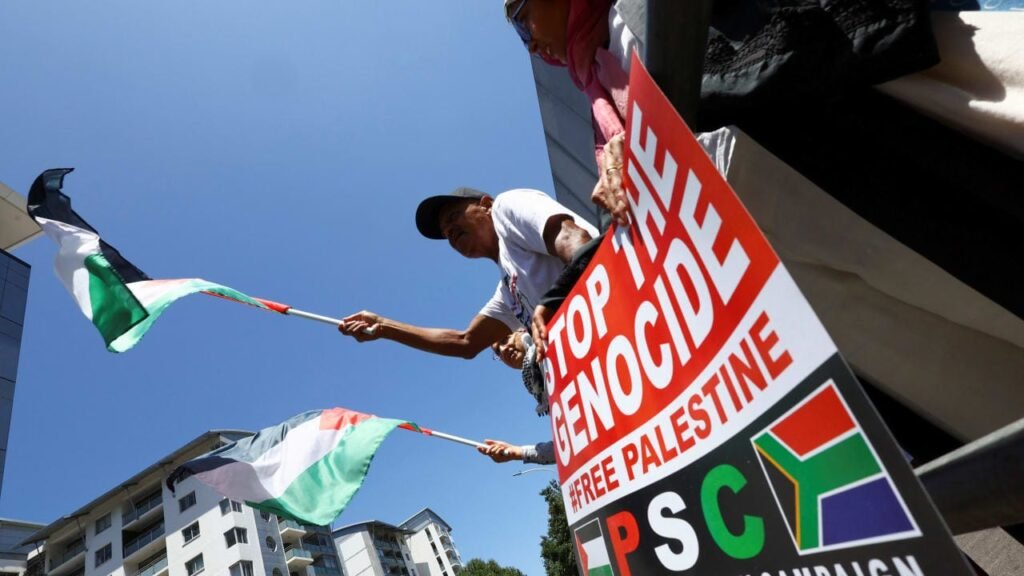
News that the Palestinians were forced to remain confined on the tarmac for hours sparked public outrage across South Africa, a country with a strong history of solidarity with Palestine and one that has spearheaded genocide proceedings against Israel at the International Criminal Court.
The decision to let the passengers off the aircraft came after Home Affairs received written assurances from Gift of the Givers, a well-known South African relief organization, confirming they would host and support the Palestinian visitors.
According to the BMA, 130 Palestinians then formally entered the country, while 23 continued their travel onward from South Africa. The plane, a charter flight operated by Global Airways, had departed from Kenya, AFP reported.
Imtiaz Sooliman, founder of Gift of the Givers, told SABC that he did not know who organised the charter. He noted that this was the second such flight; the first, carrying 176 Palestinians, arrived on October 28, with several passengers travelling onwards to other destinations.
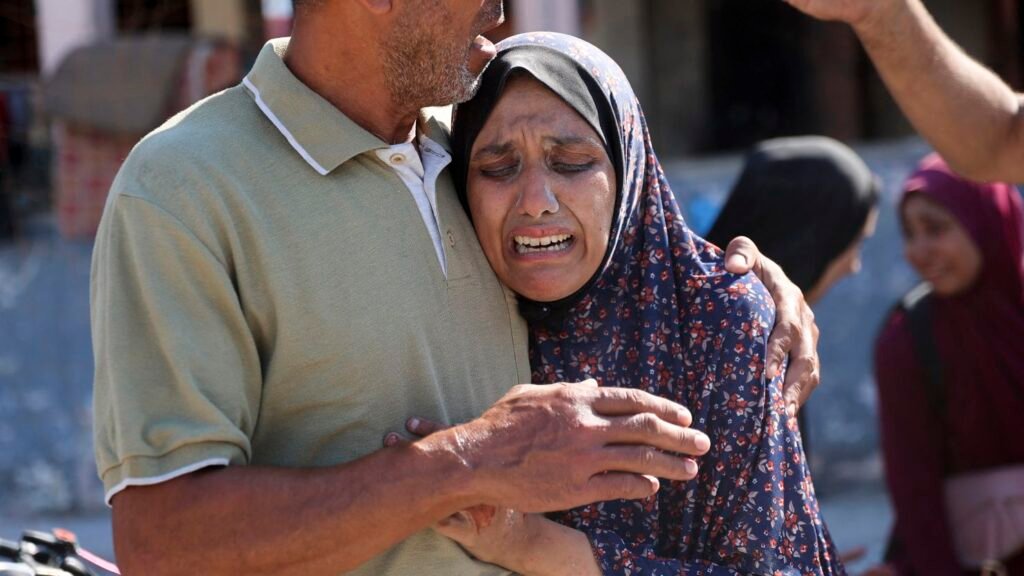
He said families of the initial group had alerted him that more relatives were arriving on a second plane, though no official information was provided. Sooliman described the passengers as deeply distressed after “two years of genocide.”
Based on conversations with Palestinians already in South Africa, Sooliman said it appears Israel is actively removing people from Gaza and transporting them on chartered aircraft without stamping their passports. He added on social media that Israel “deliberately avoided stamping the passports of these poor people to deepen their suffering in a foreign country.”
Other humanitarian organisations have since stepped forward to offer support.
Nigel Branken, a South African social worker who helped the passengers during the ordeal, said many described being ordered by Israeli authorities to leave all personal belongings behind before boarding an unmarked aircraft at an Israeli air force base.
He said the pattern strongly suggests an organised Israeli effort “to take people and displace them,” telling Al Jazeera that the operation bore all the hallmarks of forced removal.
This incident also raises urgent questions about whether the institution behind these chartered flights, whether directly Zionist or operating with Zionist backing, is facilitating the emigration of Palestinians without any guarantee of return. The absence of official exit records or stamped passports means that those who leave may later be unable to prove their right to re-enter, effectively severing their connection to their homeland. This creates a dangerous precedent, especially as reports and studies continue to examine the situation unfolding in South Africa. Without transparent documentation, accountability, or assurance of repatriation, these movements risk becoming part of a broader strategy to empty Gaza of its people under the guise of humanitarian transfer.