GazaHerald – Recent announcements by several Western governments recognizing a Palestinian state have been met with cautious interest by those living under Israeli occupation. While countries such as France, Australia, and Canada, long supporters of Israel’s occupation, appear to have shifted stance, the reality on the ground remains grim.
Even Britain’s belated and lukewarm recognition carries historic weight. As the nation that issued the Balfour Declaration, paving the way for the establishment of a Jewish homeland in Palestine, it bears a symbolic responsibility for the Nakba of 1948 and the enduring consequences that continue to haunt Palestinians today.
Yet these gestures, coming at the cost of countless lives in Gaza and the West Bank, do not signal newfound moral clarity. Palestinians know these moves were pressured by massive demonstrations in Western capitals, where citizens demanded justice, freedom, and human dignity. Recognition, while significant on paper, remains hollow unless it leads to an end to occupation, systemic violence, and genocide through tangible action against Israel’s crimes.
Relentless Obstacles for Palestinians
For Palestinian farmers, the occupation is a daily ordeal. Each autumn, the olive harvest, crucial economically and culturally, is obstructed by gates, checkpoints, and settler violence. Every year, families in the village of Qira, which is close to Salfit, deal with these challenges. Seasonal droughts and pests are minor compared to the systemic restrictions imposed by the occupation.
Olive harvesting is more than a livelihood; it is an act of resilience and identity. Yet across the West Bank, families are barred from their groves, witnessing settlers uproot and burn trees.
If international recognition does not lead to political change, it raises critical questions: Will it stop the bloodshed in Gaza? Will it allow farmers to reach their lands? Will it remove the checkpoints suffocating towns and villages or end the economic crisis leaving public employees unpaid and families in despair?
Recognition Without Action Is Hollow
For decades, Palestinians have endured occupation while the international community largely failed to act, applying double standards and symbolic gestures instead of real accountability. Recognition has often been treated as the cheapest, least costly form of support: a way to appease domestic audiences, ease demonstrations, and claim moral virtue without confronting Israel’s crimes.
What Palestinians truly need are decisive measures: ending cooperation with Israel, imposing economic sanctions, and prosecuting leaders for war crimes. Only concrete pressure could force Israel to alter its course.
Recognition should also inspire unity among Palestinians, helping establish an inclusive democratic system, rather than one fractured by external demands and political exclusions.
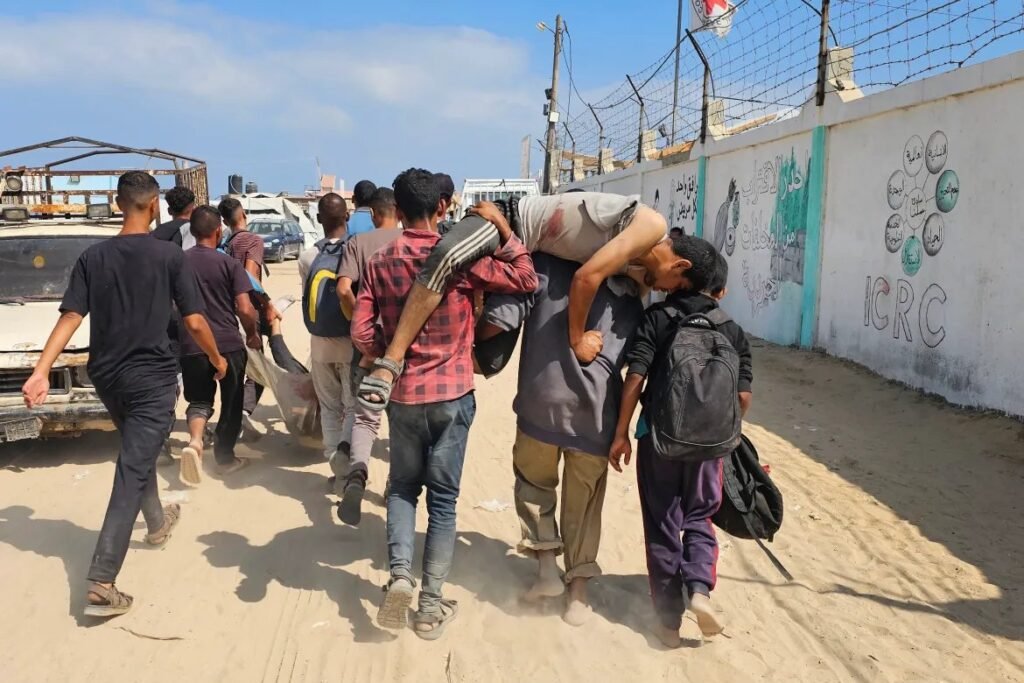
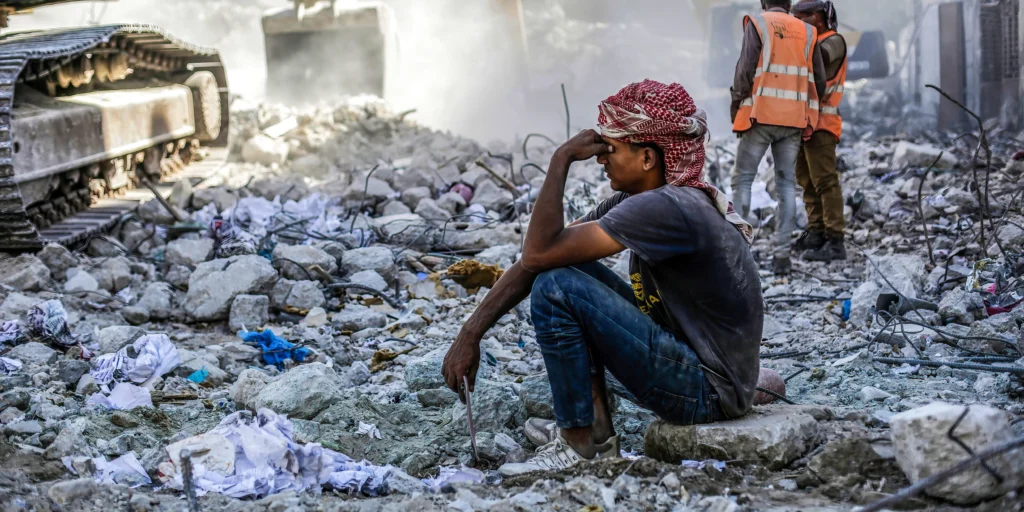
The recognition of a Palestinian state while occupation, ethnic cleansing, and genocide persist underscores the hollowness of the gesture. In Gaza, more than 720 days of relentless attacks have left communities in ruins. In the West Bank, Israel has fragmented towns, enabled settler violence, and destroyed refugee camps, displacing residents. There are now over 1,000 gates and barriers across 5,000 sq km of the West Bank, a gate or checkpoint every 5 km.
Economic and financial blockades prevent tens of thousands of workers from reaching their jobs, while public employees have gone unpaid for two years, crippling essential services including healthcare and education. Against this backdrop, symbolic recognition without sanctions, accountability, and real pressure will remain meaningless.
The ultimate test of these recognitions will be whether they provoke action to end the occupation and stop the ongoing humanitarian crisis, or if they become yet another chapter in a history of promises unfulfilled. For Palestinians, recognition must translate into tangible outcomes: an end to the genocide, freedom to live and work, and justice enforced through accountability. Without this, these declarations risk becoming little more than ink on paper, covering for complicit governments rather than advancing the cause of justice.