Gaza Herald _ Cancer patients in Gaza are being pushed toward a slow and preventable death, trapped between a destroyed healthcare system and heavily restricted crossings that deny them access to lifesaving treatment. As hospitals lie in ruins and medicine disappears from shelves, thousands are left to endure worsening pain and declining health with no clear path to survival.
The suffering of cancer patients in Gaza has intensified amid the near-total collapse of the medical sector. While the international community marked World Cancer Day with messages of solidarity, Gaza’s reality reflected abandonment and crisis. Between 11,000 and 12,000 cancer patients now face life-threatening conditions due to the destruction of medical facilities, severe shortages of essential drugs reaching nearly 70 percent, and restrictions preventing thousands from traveling abroad for treatment.
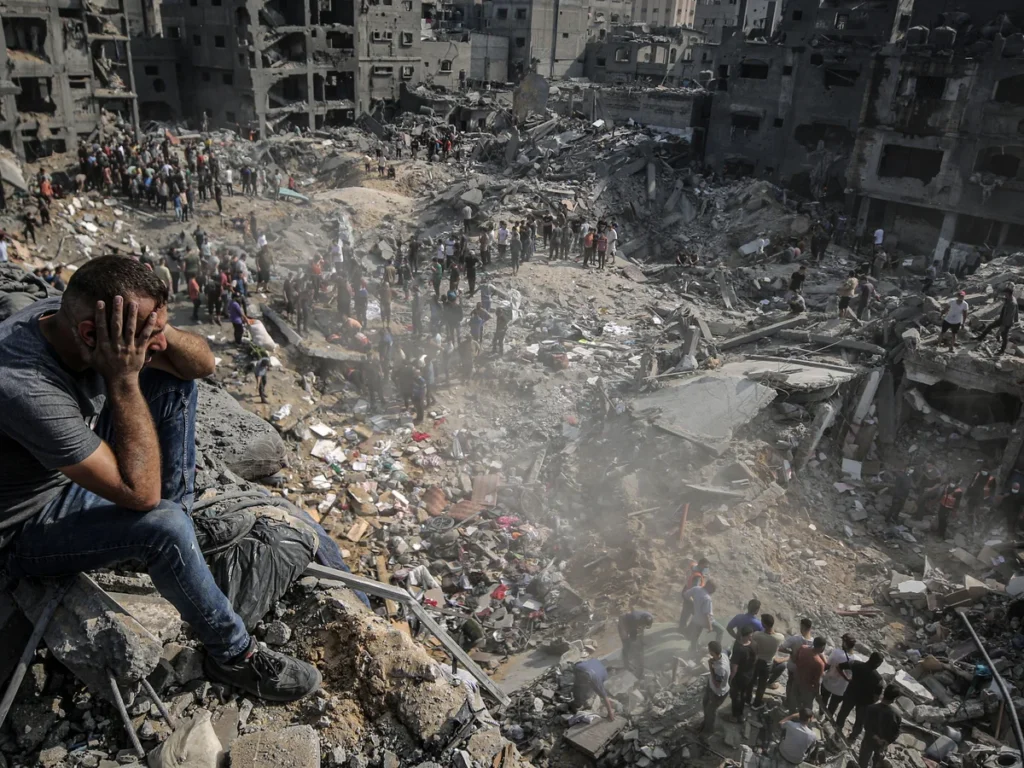
Cancer care services have largely ceased to exist. Oncology departments, chemotherapy, and radiation units have shut down following the destruction of hospitals and the depletion of fuel and medical supplies. Diagnostic equipment, including MRI and CT scanners, is no longer functioning, making early detection and monitoring nearly impossible. Patients are dying daily, while others deteriorate under conditions of malnutrition and displacement.
Blocked Crossings Leave Thousands Waiting for Survival
Thousands of medical referrals remain frozen, with more than 3,000 patients unable to leave Gaza after crossings were closed, particularly following Israeli control of Rafah Crossing. Meanwhile, new cancer cases continue to emerge in conditions marked by weakened immunity and prolonged hardship.
Munther Abu Foul, a cancer patient confined to a hospital bed, continues to suffer severe pain while holding a medical referral that has failed to secure his evacuation for more than two years. He described Gaza’s healthcare system as incapable of providing treatment, saying patients are dying while waiting for help that never arrives.
In another case, Mohammad Hammou remains beside his elderly mother, who is battling cancer without access to treatment. He has appealed for urgent intervention, describing the experience of watching her suffer without medical care as devastating.
The World Health Organization has assisted in limited medical evacuations following the partial reopening of Rafah Crossing, but more than 18,000 patients, including 4,000 children, remain on waiting lists for treatment abroad.
Detention and Medical Neglect Deepen the Crisis
The suffering of cancer patients extends into Israeli prisons, where detainees face worsening health conditions. The Palestinian Prisoners’ Club reported the case of Fidaa Assaf, 49, who suffers from leukemia and has experienced serious deterioration since her detention in February 2025.
Despite her critical condition, she remains imprisoned, where she has reported medical neglect, starvation, psychological abuse, and denial of essential care. Her condition, once stable, has worsened significantly in detention, highlighting the life-threatening impact of incarceration on chronically ill prisoners.
According to humanitarian reports, more than 1,200 patients in Gaza have already died while waiting for medical evacuation, while approximately 4,000 cancer patients remain in urgent need of treatment.
For cancer patients in Gaza, illness is no longer the only threat. The destruction of healthcare, combined with siege and restricted movement, has transformed cancer into a slow and preventable death for thousands.