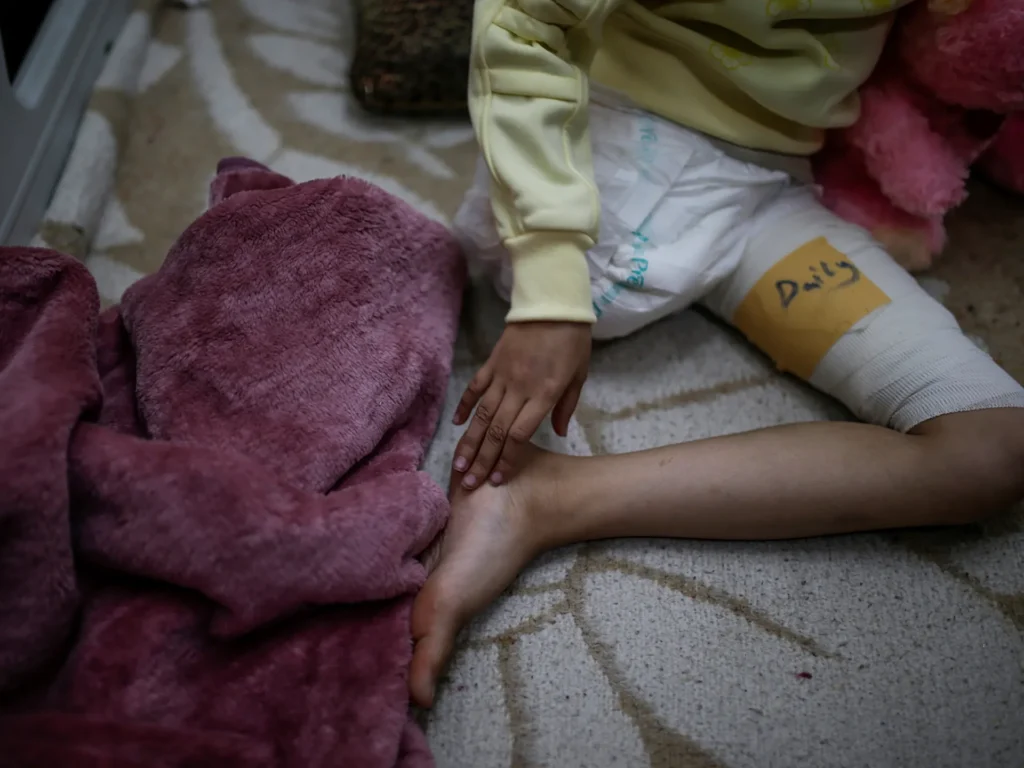
Gaza Herald _ A senior World Health Organization (WHO) official has warned that approximately 1,092 patients in the Gaza Strip died while awaiting medical evacuation between July 2024 and November 28, underscoring the deadly consequences of Israel’s ongoing blockade and restrictions on medical access.
Speaking to reporters at United Nations headquarters in New York on Friday, Dr. Rik Peeperkorn, the WHO’s representative in the occupied Palestinian territory, cited figures provided by Gaza’s health authorities and stressed that the toll is likely far higher than reported.
Peeperkorn explained that the number only reflects documented cases and does not fully capture the scale of preventable deaths caused by delayed or denied evacuation for treatment outside Gaza.
He said the WHO has renewed its call on more countries to receive patients from Gaza and urged the restoration of medical evacuation routes to the occupied West Bank, including East Jerusalem, which remain largely blocked.
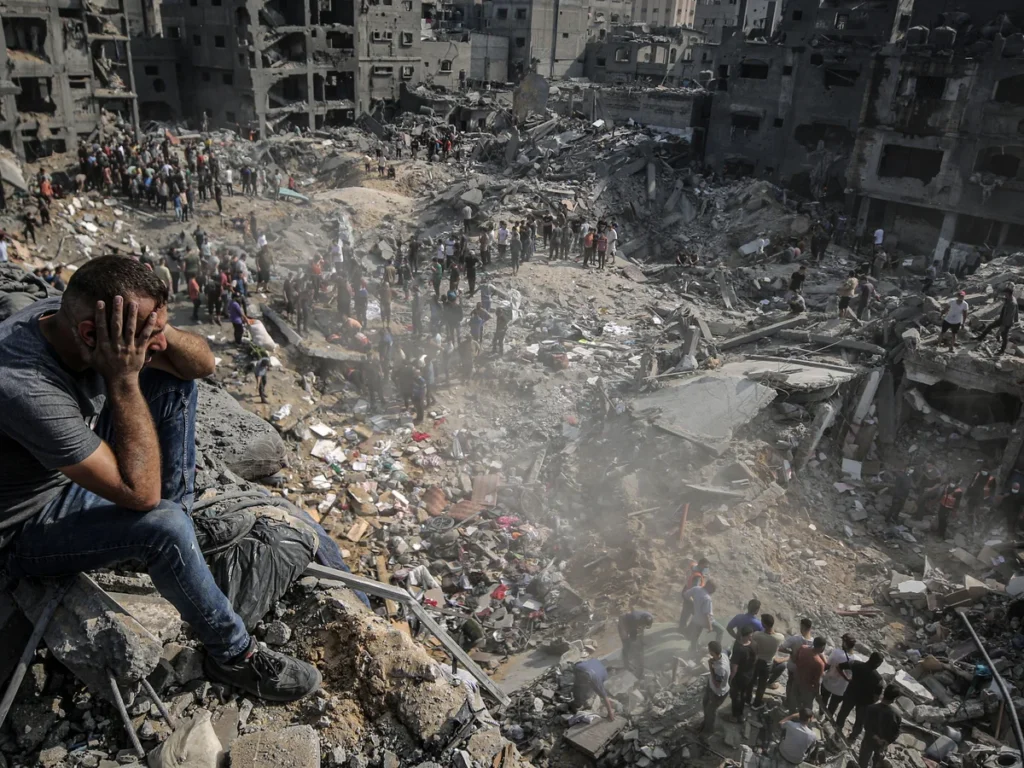
According to the WHO official, only 18 of Gaza’s 36 hospitals and 43 percent of primary healthcare centers are currently operating at a partial level, as the health system continues to buckle under Israel’s restrictions and the devastation caused by repeated military attacks. Gaza, he added, is facing a severe shortage of essential medicines and medical supplies, including those required to treat heart disease and other life-threatening conditions.
While approval rates for aid deliveries have slightly improved, Peeperkorn emphasized that the process of bringing medicines and medical equipment into Gaza remains “unnecessarily slow and complex.” He noted that the WHO continues to encounter major obstacles in importing laboratory reagents and critical components for medical equipment, many of which are denied entry by Israel under so-called “dual-use” classifications.
Peeperkorn called on Israeli authorities to grant blanket approval for medical supplies to enter Gaza without delay, stressing that such measures are essential to addressing urgent and life-saving needs.
He also warned that Storm Byron has hit Gaza with significant force, compounding the suffering of already displaced families living in tents and damaged shelters. With winter conditions worsening, he said, poor water and sanitation systems are likely to trigger a surge in acute respiratory infections, hepatitis, and diarrheal diseases.
“Children, older people, and those living with chronic illnesses remain at the greatest risk,” Peeperkorn said, warning that without immediate and unrestricted medical access, preventable deaths will continue to rise.