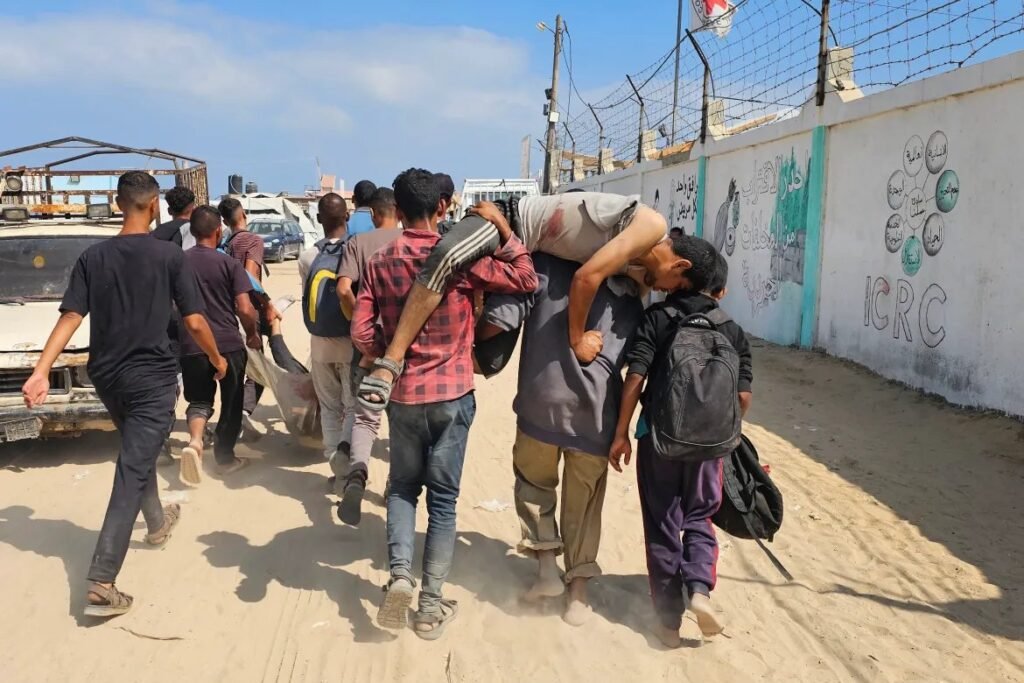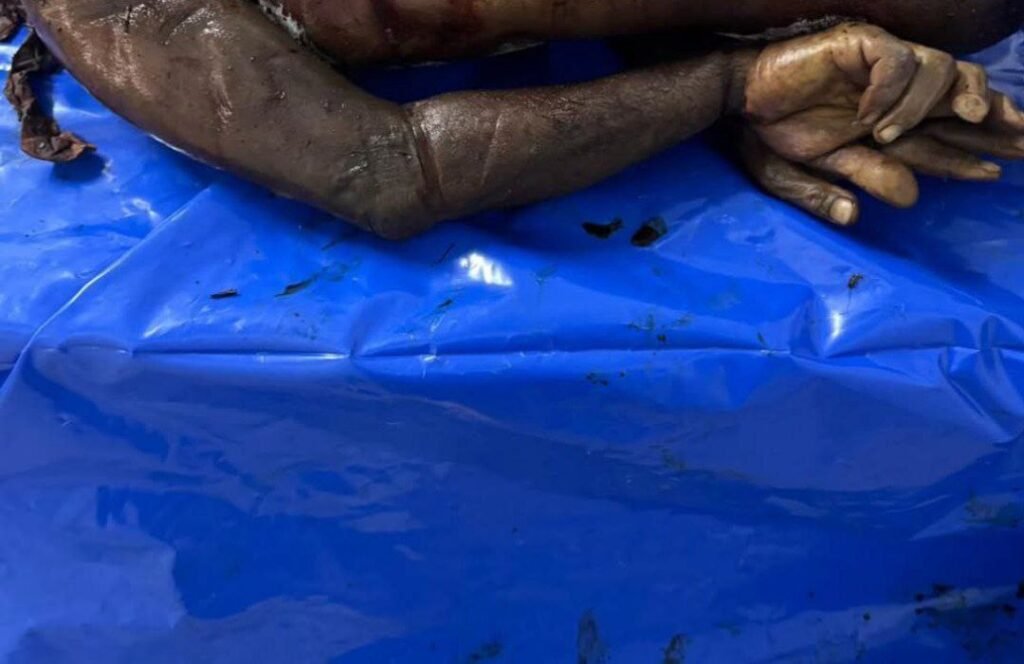
Gaza Herald_ As Gaza pauses to count the dead, a new and terrible piece of evidence of cruelty has begun to surface: the bodies returned from Israeli custody are arriving horribly mutilated. Relatives who waited, desperate for closure, are instead receiving corpses with severed fingers, missing organs, hands bound behind their backs, and wounds that bear the marks of deliberate torture. In some cases, families cannot even identify their dead: DNA-testing kits that could confirm identities remain blocked from entering the Strip.
These mutilated returns are not random or incidental. They tell a consistent story, one that matches survivor testimony from Israeli detention centers: systematic physical and sexual abuse, deliberate medical neglect, and psychological degradation designed to humiliate and erase. Survivors describe forced nudity, brutal beatings, electrocution, and abuse accompanied by threats and lies about the fates of their loved ones. Those who did not survive bear the forensic signs of that same cruelty.
The images and accounts are impossible to separate from the larger machinery of destruction operating against Palestinians. Over two years of sustained assault have flattened neighborhoods, destroyed hospitals and schools, and left large swathes of Gaza uninhabitable. Against that backdrop, detention practices that degrade, mutilate, and conceal the dead are not isolated excesses; they are part of a system that treats Palestinian life as expendable.
Blocking DNA kits and impeding independent forensic investigation compounds the outrage. Denying families the tools to identify their dead is not merely a bureaucratic obstruction; it is an extension of the violence, turning private grief into public erasure. Forensic evidence, family testimonies, and consistent survivor statements together form a pattern that demands independent inquiry. The refusal to permit such inquiries only deepens the suspicion that these practices are systematic, not exceptional.
This is also a story about asymmetry of means, power, and accountability. Palestinian fighters operate in small guerrilla units with light weapons; Israel fields one of the most advanced militaries in the world and enjoys significant diplomatic and material backing from Western states. That imbalance shows in the scale of destruction and in the treatment of captives.
Where Israeli soldiers taken hostage have been repatriated as prisoners of war and, by many accounts, received comparatively humane treatment, some Palestinian detainees and returnees have come back as hollowed living testimonies to sustained physical and psychological abuse.
History furnishes ugly parallels. Names like Tadmor, Abu Ghraib, and Tazmamart recall systems of state terror where torture was normalized; the mounting testimonies from sites such as Sde Teiman, Ketziot, and others suggest Israel’s carceral practices may yet take their place among those grim chapters. The brutality described, mutilation, enforced disappearance, sexual violence, and systematic medical neglect, looks less like individual criminality and more like an institutional logic of domination.
The carceral system that produces these outcomes is comprehensive. Military courts, administrative detention without effective appeal, restrictions on legal visits, and opaque procedures all combine to strip detainees of legal protection. Inside detention, accounts describe routine torture, sexual abuse, denial of medication and food, and other practices that flagrantly violate international norms. Outside, policies that deny medical personnel access, confiscate equipment, and restrict humanitarian entry ensure that injured or ill detainees are less likely to receive life-saving care.
None of these functions operates in a vacuum. It depends on networks of complicity inside Israel and abroad. Soldiers, commanders, contractors, technicians, and media professionals all play roles; so too do foreign states whose arms, diplomatic cover, and financing enable operations that produce these abuses. The global political class, particularly countries that extend military and diplomatic support, bears responsibility for allowing practices of impunity to persist.
If the world is to mean anything by the laws and conventions that protect human dignity, it must respond: allow independent forensic teams unfettered access, unblock DNA and identification tools, secure immediate visits by the ICRC and human-rights monitors to every detention site, and open transparent criminal investigations into the treatment of detainees and the origins of returned mutilated bodies. States that supply weapons or political cover should suspend that support pending credible investigations.
For Gaza’s families, the need is immediate: names, graves, and truth. For the international order, the stakes are existential: tolerate impunity, and the logic of state cruelty becomes a precedent for others. The sight of mutilated corpses and the blocked efforts to identify them is a warning. If atrocity can be masked by bureaucracy and denial, then the protections that civilization claims to offer are already unraveling.
These bodies, their wounds, and the silence that greets calls for inquiry are a moral indictment. They demand more than words of sympathy; they demand forensic truth, legal accountability, and the political will to dismantle the systems that make such mutilation possible. Until that happens, these returns will stand as grim proof that a system of control has become a machine of cruelty.