Gaza Herald_ The search for the remains of deceased captives in Gaza has grown increasingly complex, as the absence of forensic tools and Israel’s continued restrictions create significant obstacles on the ground. Despite widespread devastation and ongoing military presence, Gaza’s emergency teams are working in an environment stripped of the most basic resources needed to identify bodies buried under rubble.
No Forensic Capacity in a War-Shattered Zone
Across large areas of the Gaza Strip, many of which remain under Israeli control or surveillance, heavy artillery, drones, and widespread destruction have left countless remains mixed, fragmented, and deeply buried.
With no functioning DNA testing or forensic laboratories, Palestinian responders are unable to distinguish between the remains of captives, their guards, or civilians who were killed in the same strikes.
This has made identification nearly impossible and has fueled confusion, especially as some remains have been trapped under rubble for months.
Remains Transferred Amid Confusion and Contradictions
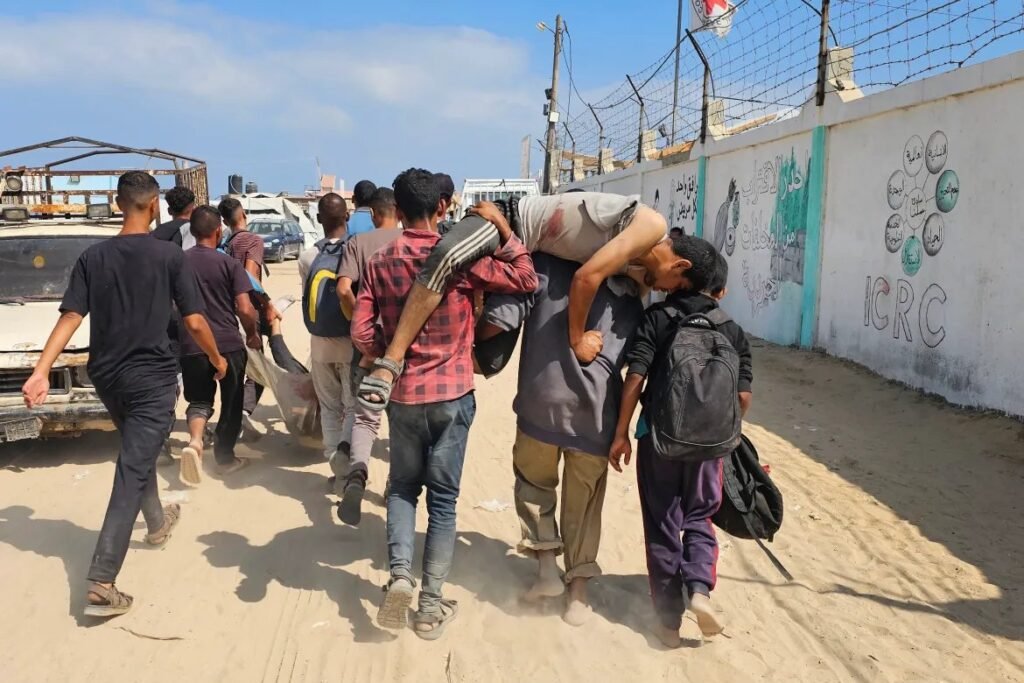
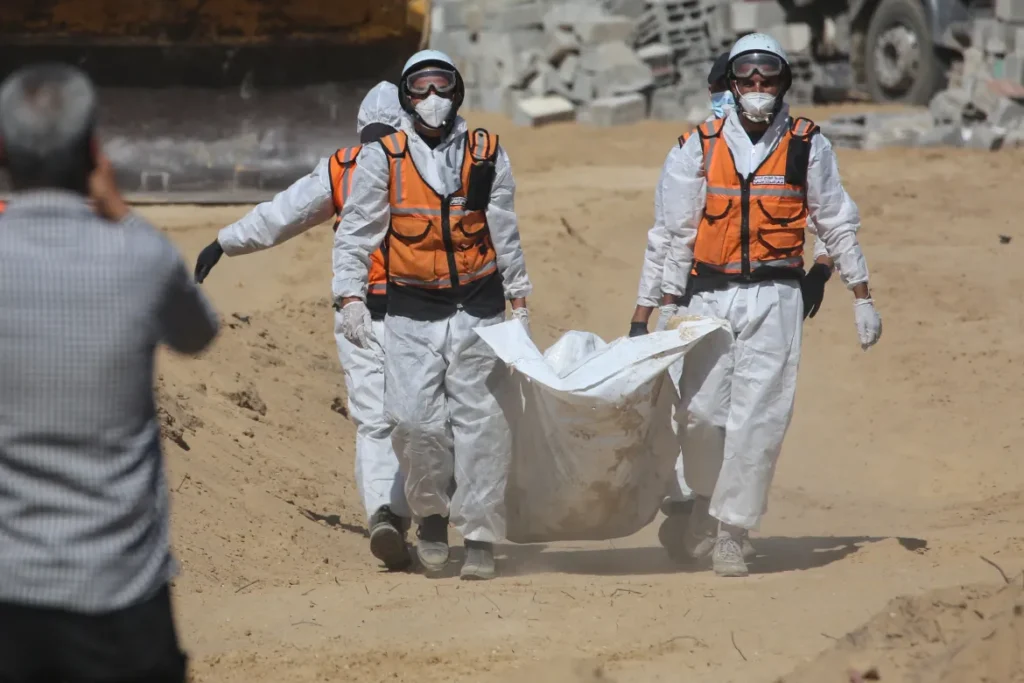
The International Committee of the Red Cross recently transferred what it described as the remains of three individuals to Israeli authorities. Gaza teams emphasized that they are working with extremely limited equipment and no scientific tools, making the recovery process arduous and uncertain.
After conducting forensic analysis, Israel claimed that none of the remains belonged to Israelis abducted on October 7, a conclusion Gaza civil defense teams say illustrates the urgent need for proper forensic access, not accusations.
For months, Israeli officials have alleged that Hamas returned remains that didn’t match any missing captives. But Gaza authorities insist these inconsistencies stem from Israel’s own refusal to allow DNA facilities, heavy machinery, or international forensic teams into Gaza.
Blockades and Delays Obstruct Search Efforts
Palestinian responders say Israel continues to block the entry of the heavy equipment needed to lift collapsed buildings and clear rubble. Without excavators, bulldozers, or specialized search tools, recovery teams are forced to dig manually, slowing efforts, endangering workers, and leaving many bodies unrecovered.
Gaza’s rescue crews emphasize that Israel’s restrictions, combined with ongoing surveillance and threats to civil defense personnel, make the search process nearly impossible.
Despite these challenges, Gaza authorities confirmed that the bodies of three deceased Israeli captives are expected to be handed over on Saturday, underscoring the continued humanitarian effort amid staggering constraints.