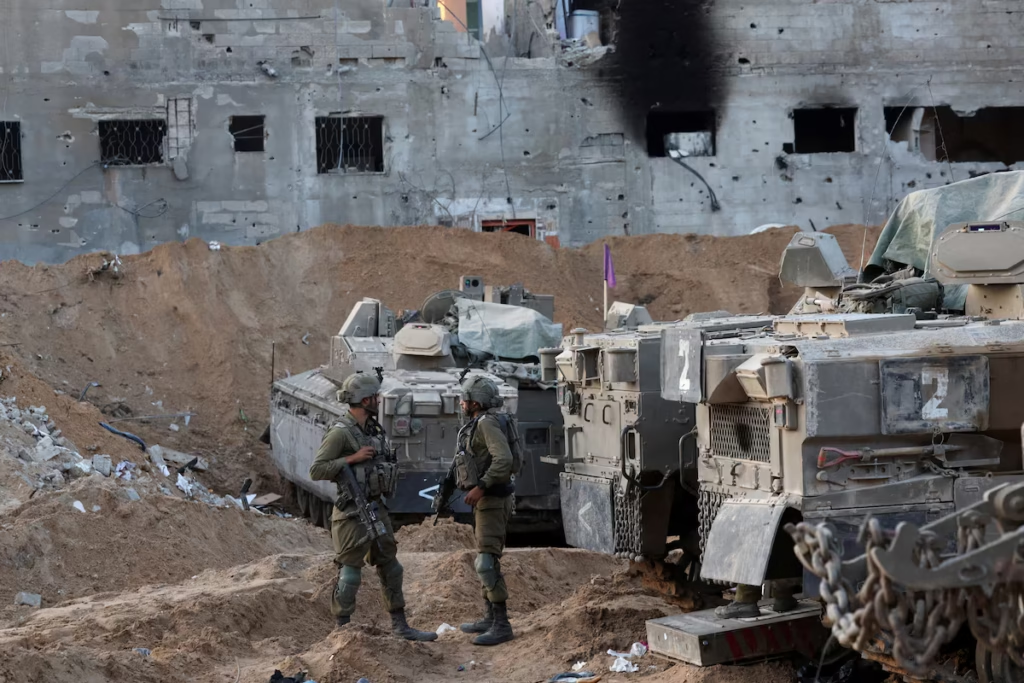
Gaza Herald_ Two years after launching its devastating assault on Gaza, Israel stands far from achieving the objectives it claimed would justify its campaign. Despite massive destruction and loss of life, the war has failed to dismantle Palestinian resistance, displace the population en masse, or bring stability to the region. Instead, it has deepened Israel’s political isolation and triggered a growing global backlash.
When the war began in October 2023, Israeli leaders vowed to eliminate Hamas, rescue captives, and “restore security.” Two years later, those promises ring hollow. The Palestinian resistance remains active, international outrage over the humanitarian catastrophe continues to rise, and tens of thousands of Israeli families are still waiting for the safe return of captives.
According to independent observers and human rights organizations, Israel’s bombardment has not only devastated Gaza’s infrastructure but also eroded its own moral and diplomatic standing. Once backed unconditionally by the United States and European allies, Israel now faces increasing pressure for accountability over what many legal experts and governments have labeled genocidal actions.
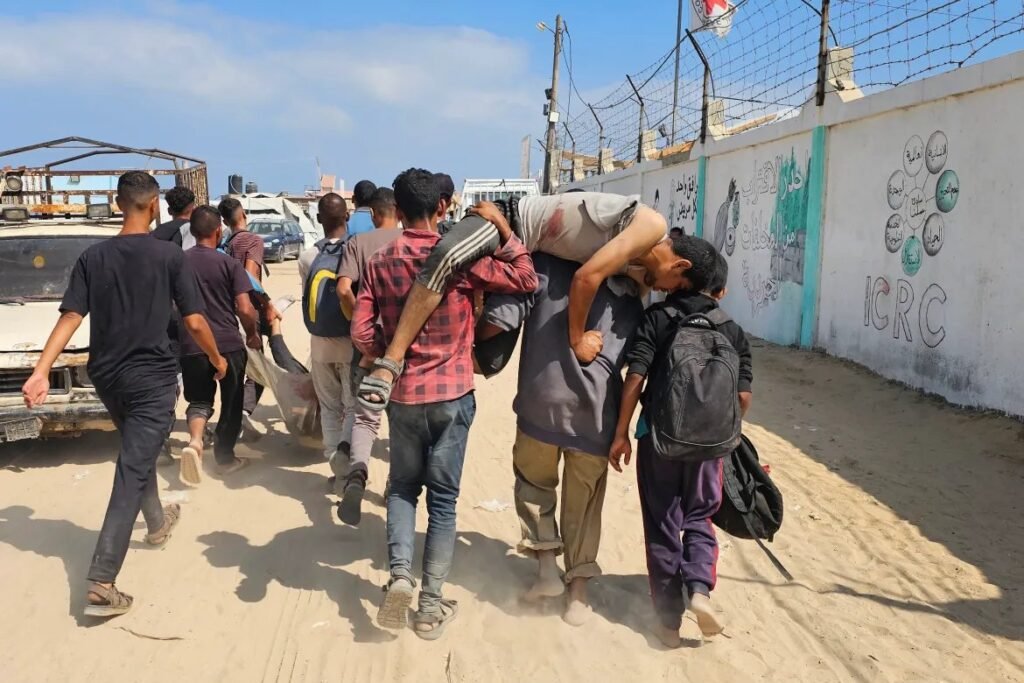
Over 238,000 Palestinians have been killed, injured, or reported missing since the beginning of the assault. The majority of the victims are civilians, including tens of thousands of children, while Gaza’s homes, hospitals, schools, and mosques have been reduced to rubble. The region’s health system has nearly collapsed, and starvation looms under the ongoing blockade.
Even as humanitarian groups plead for unrestricted aid access, Israeli airstrikes continue to target areas previously designated as “safe zones,” undermining claims of precision and restraint. The so-called “evacuation corridors” to southern Gaza have turned into death routes, where displaced families face relentless bombardment and shortages of food, medicine, and water.
A senior Hamas official said this week that Israel “failed to expel Palestinians or break their will,” marking the second anniversary of the war. While his statement reflected the movement’s perspective, it echoed what international analysts have increasingly concluded, that Israel’s campaign has achieved none of its stated strategic goals.
Former U.S. President Donald Trump’s recent “peace plan,” unveiled alongside Israeli Prime Minister Benjamin Netanyahu, has also been met with skepticism. Critics argue that the plan would effectively formalize foreign control over Gaza while leaving the core issues of occupation and justice unresolved. Mediators in Qatar and Egypt, meanwhile, stress that any ceasefire must include a full Israeli withdrawal and guarantees for displaced civilians to return home.
Two years on, Israel’s military dominance has failed to translate into political victory. The siege has instead exposed the limits of force and the resilience of a population determined to survive. The more Israel tries to crush Gaza, the more isolated it becomes, not only from its critics, but increasingly from its own allies.
As the world marks another grim milestone in Gaza’s destruction, one truth has become undeniable: Israel’s war has not achieved security, peace, or legitimacy. It has only strengthened the Palestinians’ resolve and amplified global demands for justice, accountability, and an end to the occupation that fuels this endless cycle of violence.