Gaza Herald — Seventeen years of maritime solidarity continue as international activists attempt to breach Israel’s siege of Gaza. The latest mission, the Global Sumud flotilla, carries aid and a message of steadfast resistance amid one of Gaza’s gravest humanitarian crises.
The Global Sumud Flotilla: Aid and Resistance at Sea
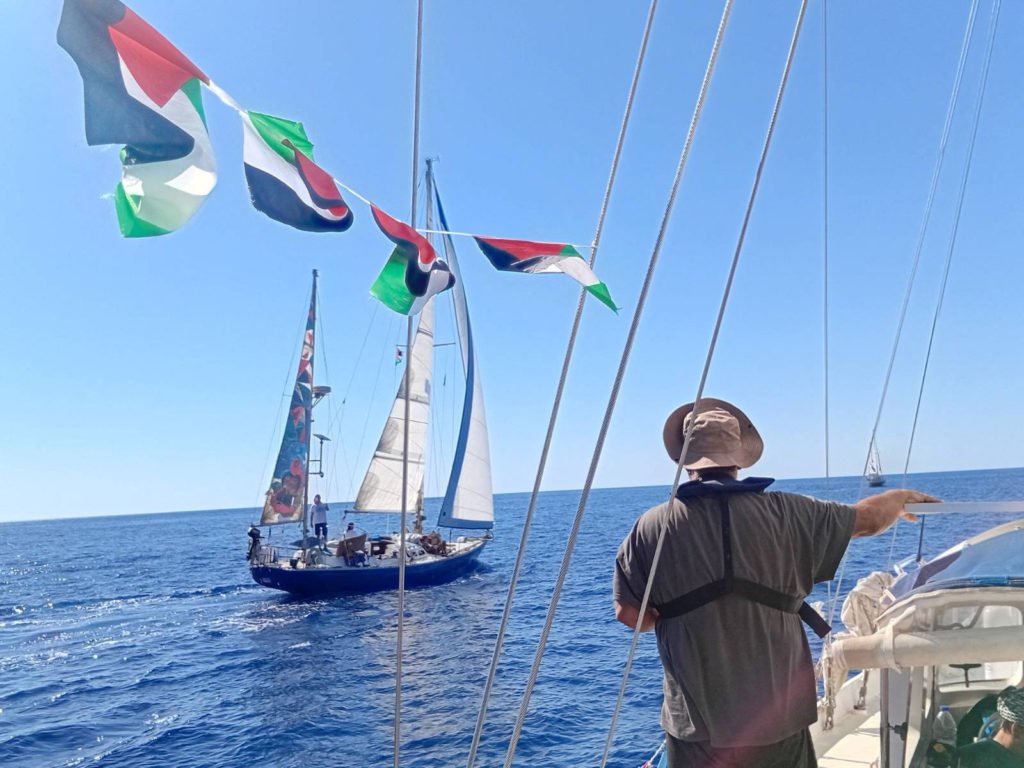
The Sumud flotilla—Arabic for “steadfastness”—marks the largest attempt to challenge Israel’s maritime blockade of Gaza. Organizers estimate that around 70 ships may eventually join the mission.
The flotilla departed amid thousands of supporters in Spain, chanting “Free Palestine,” backed by a global solidarity movement. But within days, Israel intercepted part of the fleet in international waters, seizing the lead vessels. Organizers stress that the mission continues, with remaining ships pressing toward Gaza.
On board are activists, doctors, lawyers, journalists, and politicians from 44 countries, carrying critical medical supplies, food, and water. The mission seeks not only to deliver aid but to challenge the legality and humanitarian consequences of Israel’s blockade, enforced since 2007 and tightened after October 2023.
A Legacy of Flotillas: From 2008 to the Mavi Marmara
The first organized attempt to breach the blockade came in 2008, when the Free Gaza Movement sailed two small boats to Gaza carrying humanitarian supplies. Between 2008 and 2016, the group launched 31 ships, with only a few reaching the enclave.
The deadliest incident occurred on May 31, 2010, when Israeli commandos stormed the Turkish vessel Mavi Marmara in international waters, killing 10 activists and injuring dozens. This raid sparked international outrage, strained Israeli-Turkish relations, and turned the ship into a symbol of maritime resistance.
Subsequent flotillas, including the Marianne (2015) and the women-only Zaytouna-Oliva (2016), were intercepted far from Gaza, with passengers detained and deported. These missions highlighted the risks of defying the blockade while broadening the movement’s political message.
Renewed Solidarity Amid Genocide
The escalation of war after October 7, 2023, prompted new flotilla attempts. In May 2025, the vessel Conscience was attacked near Malta, requiring emergency rescue. In June, the British-flagged Madleen, carrying medical supplies and infant formula, was intercepted with high-profile passengers, including Greta Thunberg. The following month, the Handala ship faced the same fate.
Amnesty International condemned these operations as violations of international law, while activists continued to defy the blockade despite risks to their lives.
Legal Controversies: International Waters and Blockade Law
Under the U.N. Convention on the Law of the Sea, foreign-flagged vessels cannot be boarded in international waters except in specific cases like piracy. Critics argue Israel’s interceptions, targeting civilian aid ships, violate these principles.
Israel claims its blockade is legitimate under armed conflict rules. Legal experts and multiple U.N. reports dispute this, noting that blockades causing civilian starvation and disproportionate harm are unlawful. The International Court of Justice has repeatedly called for Israel to allow access for humanitarian aid.
Global Sumud: Symbolism and Scale
The Global Sumud represents the flotilla movement’s most ambitious mission yet, drawing international political leaders and cultural figures, including Ada Colau and Mariana Mortágua, alongside actors Susan Sarandon and Liam Cunningham.
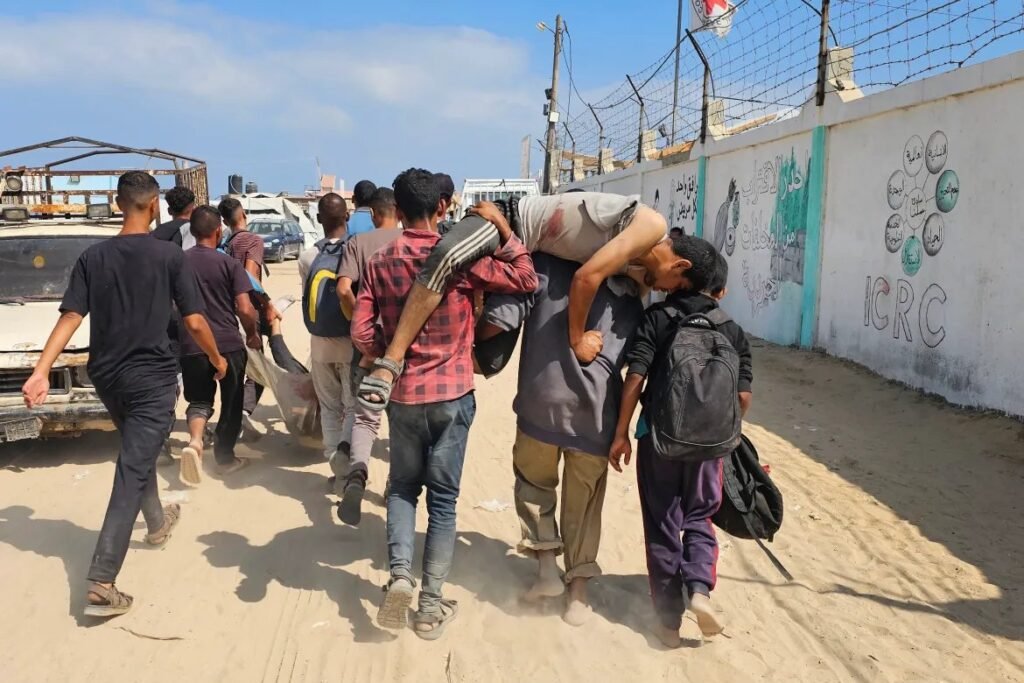
Unlike prior missions, this flotilla sails during a declared famine in Gaza, where nearly two years of bombardment have killed over 63,000 Palestinians and left 93% of the population facing severe food shortages. The mission’s message is not only political but existential: it embodies survival, solidarity, and defiance.
Whether the ships reach Gaza or face interception, Global Sumud underscores the international community’s continuing challenge to Israel’s blockade and the urgent need for humanitarian relief.