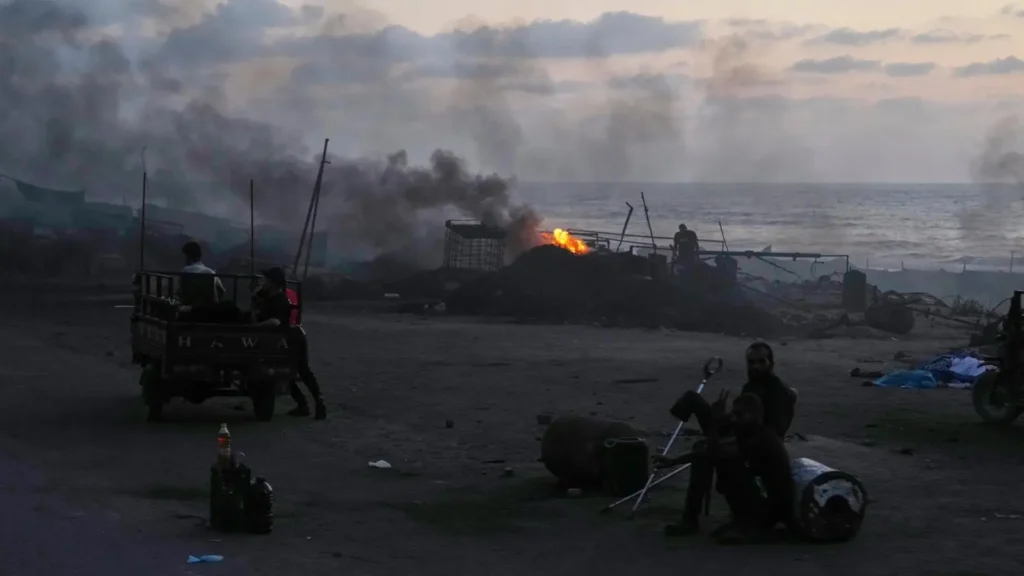
Gaza Herald – Israel’s air strike on Tuesday in Doha, Qatar, which killed senior Hamas figures while they were discussing a ceasefire proposal for Gaza, marks the latest chapter in a long history of Israeli assassinations of Palestinians abroad. At least six people were killed in the attack, including Hammam al-Hayya, the son of Hamas leader Khalil al-Hayya, as well as his office director, Jihad Lubbad. Others slain included Abdullah Abdul Wahid, Moamen Hassouna, and Ahmed al-Mamluk. Qatar’s interior ministry confirmed that Saad Mohammed al-Humaidi al-Dosari, a member of the Internal Security Force known as Lekhwiya, was also killed while performing his duties at the targeted site.
The strike not only heightened tensions in Doha but also highlighted Israel’s decades-long policy of targeting Palestinian leaders overseas, operations that have sparked diplomatic crises, soured bilateral relations, and violated international law.
1970s: The Beginning of Cross-Border Assassinations
Israel’s campaign of extraterritorial assassinations began in earnest after the 1972 Munich Olympics attack, which left 11 Israeli athletes dead. The Mossad launched “Operation Wrath of God,” a global assassination campaign targeting Palestinians accused of involvement. Among the first victims was writer and PLO spokesman Abdel Wael Zwaiter, gunned down outside his Rome apartment in October 1972.
That same year, renowned Palestinian author and Popular Front for the Liberation of Palestine (PFLP) leader Ghassan Kanafani was killed by a car bomb in Beirut. Over the following years, other Palestinians, including Zaiad Muchasi in Cyprus and Mohamed Boudia in Paris, were similarly assassinated.
1980s: Expanding the Kill List
The 1980s saw further escalation. In April 1988, Khalil al-Wazir, widely known as Abu Jihad and deputy to Yasser Arafat, was assassinated in Tunis by Israeli commandos. Israel admitted responsibility only in 2012. The decade also saw PLO leaders Khaled Nazzal and Mamoun Maraish murdered in Greece, while an Israeli bombing raid on the PLO headquarters in Tunis in 1985 killed more than 60 people, including women and children.
1990s: A Botched Operation in Jordan
In 1997, Israel attempted to assassinate Khaled Meshaal, Hamas’s political bureau chief, in Amman, Jordan. Two Mossad agents, carrying forged Canadian passports, tried to inject him with a lethal toxin. The attempt failed, and the agents were caught. King Hussein forced Israel’s Prime Minister Benjamin Netanyahu to provide the antidote, leading to a major diplomatic standoff.
2000s: Targeting Hamas Leaders Abroad
The 2000s brought assassinations beyond the Middle East. In 2004, Hamas leader Izz el-Deen Sheikh Khalil was killed in Damascus by a car bomb. In January 2010, Mahmoud al-Mabhouh was assassinated in a Dubai hotel. The operation triggered global outrage when it was revealed Mossad agents had used forged European and Australian passports, leading to strained ties between Israel and several Western governments.
2020s: Renewed Campaign Against Hamas Leadership
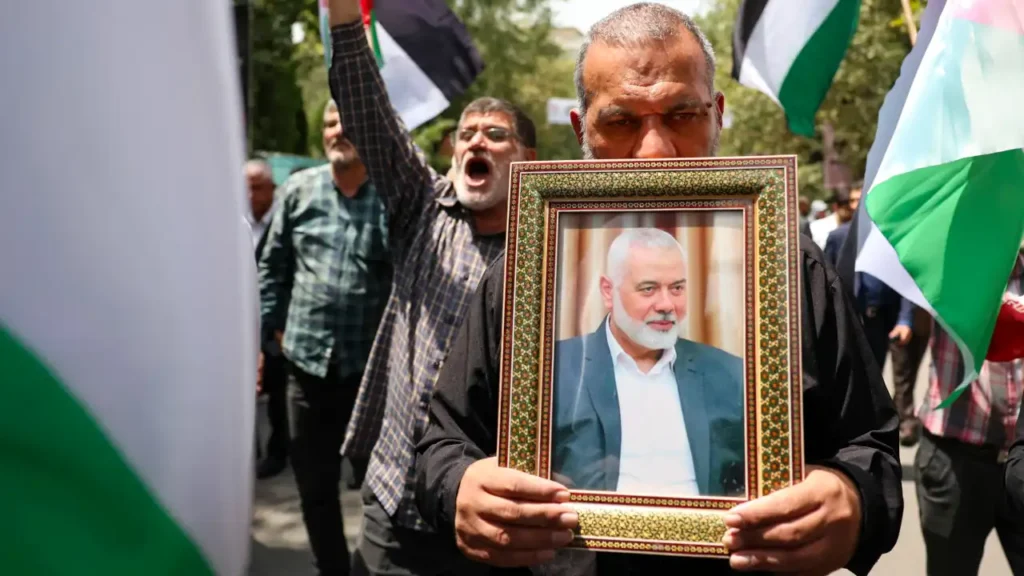
The policy of targeting Palestinian leaders abroad intensified once again. In January 2024, Saleh al-Arouri, deputy chairman of Hamas’s political bureau, was assassinated in Beirut after years in exile. Later that year, on July 31, Hamas’s political bureau chairman and former Palestinian prime minister Ismail Haniyah was killed in Tehran, Iran, after attending the inauguration of Iran’s new president. Israel’s defense minister confirmed the assassination months later.
Tuesday’s air strike in Qatar now adds Doha to the growing list of foreign capitals where Israel has carried out extrajudicial killings. The attack raises urgent questions about sovereignty and international law, as it targeted Palestinian leaders while they were engaged in talks to end the war.
A Pattern of Impunity
For decades, Israel’s assassinations abroad have been justified by its leaders as acts of “self-defense.” Yet human rights advocates argue these killings amount to state terrorism, deliberately violating sovereignty, endangering civilians, and sabotaging political solutions. From Rome to Beirut, Athens to Tehran, and now Doha, the message has been clear: Palestinian leaders are not safe, even far from Gaza and the West Bank.
Israel’s decades-long campaign of assassinations against Palestinian leaders on foreign soil reflects not only a policy of extrajudicial killings but also a blatant disregard for international sovereignty and law. From Rome to Beirut, from Athens to Tehran, these operations have left a trail of shattered families, violated borders, and heightened instability across the region. For Palestinians, the assassinations symbolize a broader strategy of silencing voices of resistance wherever they may be, while for the international community they serve as a reminder of the unchecked impunity Israel continues to enjoy.