Gaza Herlad- The Palestinian resistance movements Hamas and Islamic Jihad emphasized that any indirect negotiations with Israel must result in a complete halt to the war on Gaza, a full Israeli military withdrawal, the reopening of all border crossings, and the initiation of reconstruction efforts in the devastated territory.
This joint position came following a meeting between delegations from both movements, as detailed in a statement released by Hamas. The location of the meeting was not disclosed.
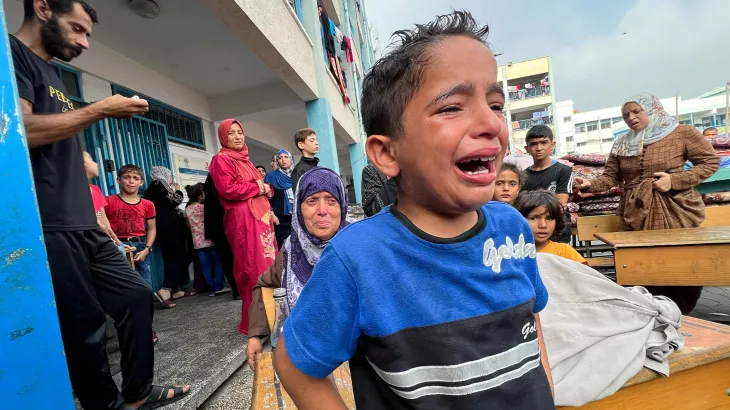
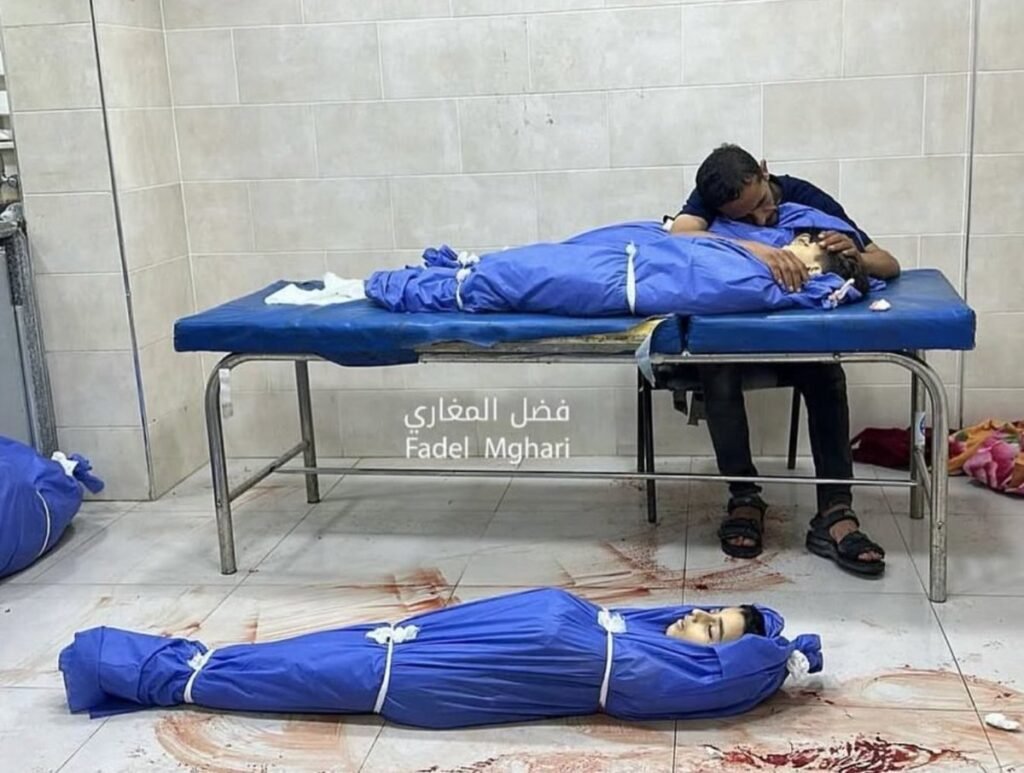
According to the statement, the two movements reflected on the “immense sacrifices and ongoing humanitarian suffering” caused by what they described as a “genocidal war, starvation, and daily massacres” perpetrated by Israel.
They also assessed the status of the ongoing talks in Doha, reaffirming that any agreement must include an end to the military offensive, the withdrawal of Israeli forces, the reactivation of border crossings, and the beginning of reconstruction.
Additionally, they reviewed Israel’s responses to various mediation proposals, discussing strategies for responding to them in ways that advance the goals of a ceasefire and prisoner exchange.
The latest round of indirect negotiations is currently underway in Doha, with participation from Hamas and Israeli representatives, mediated by Qatar and Egypt, and supported by the United States.
A gesture of flexibility
Earlier last week, Hamas said it agreed to release 10 living Israeli captives as a gesture of “flexibility” aimed at facilitating a broader agreement. However, the Israeli side remains firm on key issues, especially its refusal to withdraw from Gaza.
Israel is reportedly insisting on establishing a buffer zone 2 to 3 kilometers wide in the Rafah area, and 1 to 2 kilometers wide in other parts of Gaza’s border regions a demand Hamas rejects.
Despite mounting international pressure for a ceasefire, Israel has continued its military campaign since October 2023, killing more than 58,000 Palestinians the majority of them women and children. The unrelenting attacks have decimated Gaza’s infrastructure, fueled famine, and triggered widespread disease.
In November, the International Criminal Court issued arrest warrants for Israeli Prime Minister Benjamin Netanyahu and former Defense Minister Yoav Gallant for alleged war crimes and crimes against humanity in Gaza.
Israel also faces a genocide lawsuit at the International Court of Justice over its actions in the besieged enclave.
As Israel’s offensive drags on and political efforts remain stalled, the positions of Hamas and Islamic Jihad underscore a clear message: any deal that fails to guarantee a full ceasefire, the lifting of the blockade, and the reconstruction of Gaza will not be accepted by the Palestinian resistance movements. With the humanitarian catastrophe deepening and no political breakthrough in sight, attention now turns to regional and international mediators testing whether they can break the deadlock and deliver a just resolution that halts the bloodshed and salvages what remains of devastated Gaza.