Gaza Herald — A severe shortage of engine oil and spare parts is threatening hospitals, transportation and livelihoods across the Gaza Strip, as generators and vehicle engines fail after prolonged operation without proper maintenance.
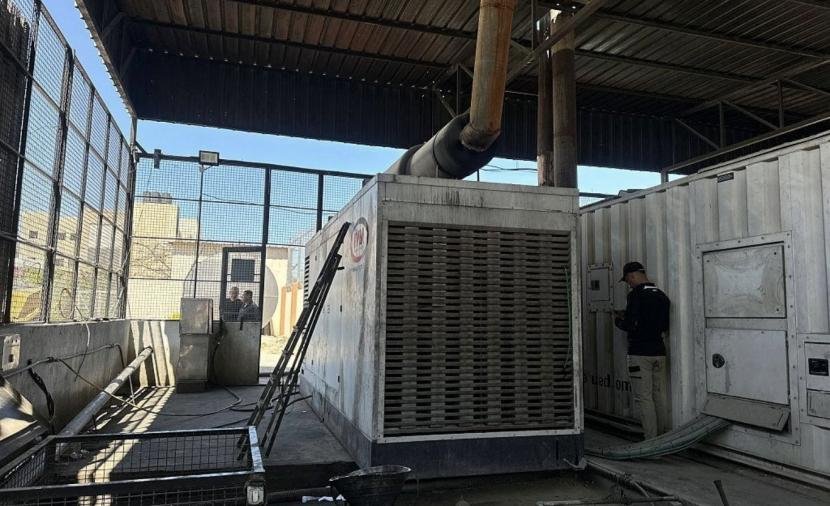
According to Sana News Agency, Musa Ayad, an administrative affairs coordinator at a hospital in Gaza City, said the facility’s main generator stopped working on September 9 after operating for approximately 1,200 hours without an oil change—far beyond the recommended 250 to 300 hours.
Ayad said the prolonged use of degraded oil damaged the generator’s oil and fuel pumps and other mechanical components. The hospital has been unable to repair the generator because essential spare parts are unavailable.
The breakdown has disrupted medical services, including CT scans, X-rays and other procedures requiring stable, high-capacity electricity. Smaller backup generators cannot provide sufficient power for all hospital departments, according to Ayad.
For patients dependent on continuous electricity for life-saving treatment, the consequences can be particularly severe. Mustafa Abu Nahal, a displaced father from Khan Younis, told Sana that electricity shortages had disrupted his daughter’s cancer treatment, affecting drug-pumping systems and other medical equipment.
Abu Nahal said attempts to transfer his daughter abroad for treatment had also been delayed, leaving her caught between shortages of medicines and electricity inside Gaza and obstacles to accessing treatment outside the Strip.
Shortage Threatens Livelihoods
The crisis extends beyond hospitals. Drivers who depend on their vehicles for income are also struggling with soaring prices and shortages of engine oil and replacement parts.
Muhammad Abu Harbid, a 35-year-old driver, told Sana that he resorted to recycled used oil because he could not afford alternatives, eventually causing his vehicle’s engine to fail.
The breakdown cost him his only source of income and further reduced already limited transportation options for Palestinians who depend on vehicles to reach hospitals, markets and other essential services.
The engine oil shortage reflects a broader crisis in Gaza, where restrictions on the entry of essential materials and spare parts have left damaged infrastructure increasingly difficult to maintain. For hospitals already struggling with shortages of medicines, equipment and reliable electricity, the failure of a single generator can mean the suspension of critical medical services.
For workers dependent on vehicles and machinery, the same shortage can erase an entire family’s livelihood.
As Gaza struggles to recover from widespread destruction, shortages of basic maintenance materials are demonstrating how seemingly ordinary items—from engine oil to replacement pumps—can become essential to keeping hospitals functioning, transportation moving and families economically afloat.