
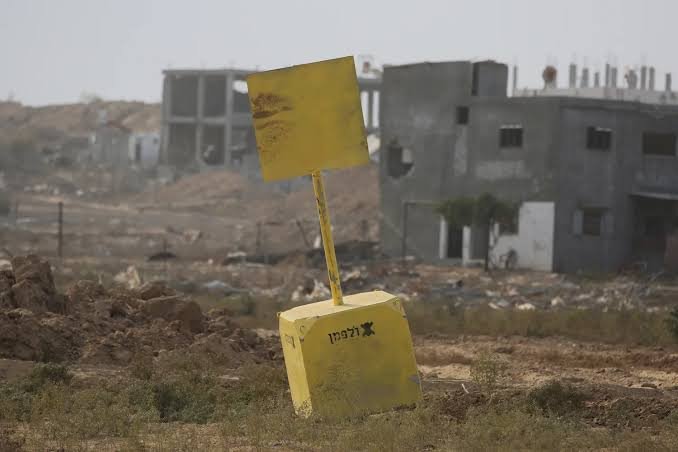
Gaza Herald — The Israeli bombs may fall with less frequency than before, but for tens of thousands of Palestinians living in the ruins of Gaza, the violence has not ended; it has merely changed form. Nearly a year after the October 2025 “ceasefire” was announced, the illusion of calm hides a devastating reality: Israel’s ongoing blockade and destruction of healthcare infrastructure are systematically turning treatable injuries into permanent, life-threatening disabilities.
While the international community treats the quieted guns as a sign of progress, more than 1,300 Palestinians have been killed and over 1,900 injured since the agreement took effect. Meanwhile, the conditions required to sustain human life, shelter, clean water, and basic medical care, remain actively dismantled or denied.
A Mass Population of Maimed Survivors
The scale of bodily destruction in Gaza is unprecedented. Out of more than 172,000 wounded Palestinians, an estimated 43,000, roughly two percent of Gaza’s pre-war population, are living with permanent, life-altering trauma. Among them are approximately 10,000 children.
According to data from the World Health Organization (WHO), the structural toll includes:
Severe Traumatic Injuries: Over 22,000 major limb injuries and more than 5,000 limb amputations, with children accounting for 20 percent of all amputees.
Neurological Damage: One in four injured Palestinians suffers from permanent spinal cord or traumatic brain injuries.
Denied Rehabilitation: Out of 2,300 amputees evaluated between late 2024 and mid-2026, fewer than 500 were able to access permanent prosthetics due to severe blockades on medical imports.
For these tens of thousands, surviving the initial missile strike or quadcopter attack is only the beginning of a prolonged struggle for life.
Weaponizing the Blockade Against the Wounded
A traumatic injury does not automatically result in permanent disability; its outcome depends entirely on immediate surgery, infection control, physical therapy, and clean living conditions. In Gaza, these basic elements of human survival have been systematically targeted and withheld.
Not a single rehabilitation facility in Gaza remains fully operational. Between May 2024 and April 2026, zero dedicated rehabilitation equipment was allowed to enter the enclave, with assistive shipments facing average delays of 136 days. Even essential cargo entries offer virtually no relief: during one week in August 2026, out of 878 commercial trucks entering through Kerem Shalom, only two carried medical equipment.
Today, amputees and paralyzed survivors are forced to manage complex, open wounds inside flimsy plastic tents and overcrowded ruins. With 82 percent of all structures in Gaza damaged or destroyed and over 1.2 million people homeless, the physical environment itself has become hostile to recovery.
Interconnected Violence and “Postwar” Normalization
This strategy of maiming bodies while simultaneously destroying the medical infrastructure needed to heal them is not accidental; it is an interconnected policy of slow destruction. By forcing families to exhaust their limited resources simply keeping a severely injured relative alive inside a refugee tent, the capacity of Palestinian society to organize, rebuild, and sustain itself is deeply eroded.
The dangerous tragedy of the current moment is that the global community has accepted this status quo as a tolerable “postwar” reality. Because the daily body count has dropped from the peaks of 2023 and 2024, political urgency has evaporated and international attention has moved on.
Yet, with Israel occupying nearly half of Gaza behind the “Yellow Line” and denying the entry of essential goods, Palestinian deaths continue. They simply occur more slowly, caused by untreated infections, a lack of basic medication, contaminated water, and preventable disease. A ceasefire that permits the deliberate, gradual destruction of an entire society is not a peace at all; it is merely war by other means.

