Gaza Herald _A leading global hunger monitoring body has warned that more than two-thirds of Gaza’s population could face severe hunger by the end of 2026 as humanitarian organizations reduce aid operations due to critical funding shortages.
According to the latest assessment by the Integrated Food Security Phase Classification (IPC), rates of acute malnutrition—particularly among children—declined significantly following an increase in food supplies and nutrition services after the October 2025 ceasefire in Gaza.
However, the report cautions that these gains remain fragile and could quickly be reversed.
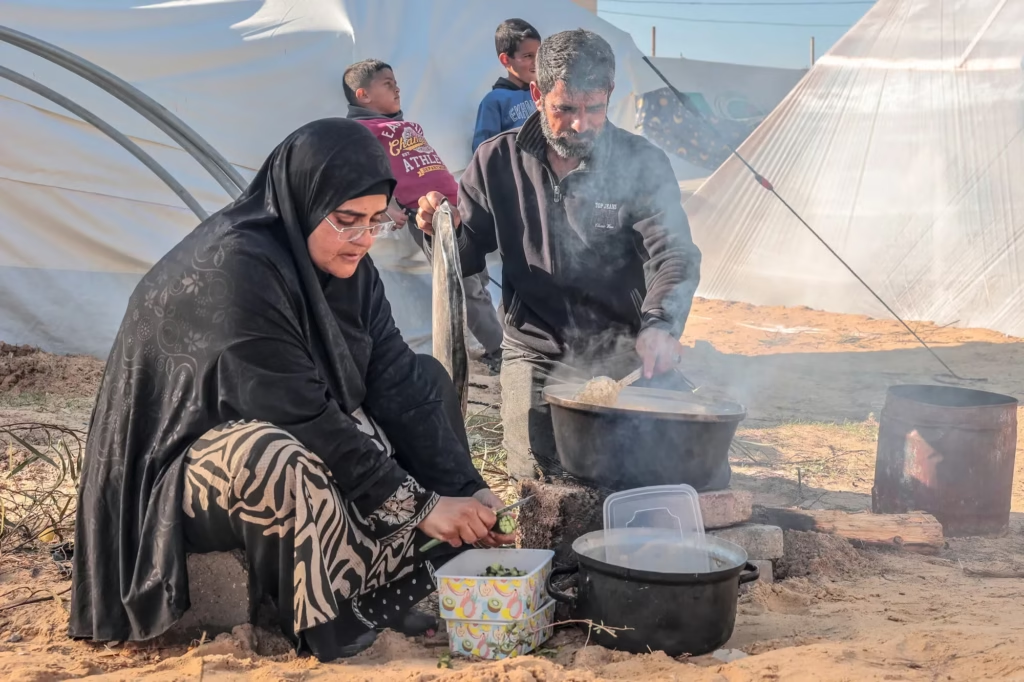
The IPC found that food consumption remains insufficient for most households across the territory, with some families resorting to begging or searching for food in garbage to survive.
Between mid-April and the end of June, more than 1.2 million Palestinians—around 59% of Gaza’s population—experienced severe food insecurity classified as “crisis” level or worse. Among them, approximately 212,000 people were facing emergency conditions.
The report projects that the number of people experiencing severe hunger could rise to more than 1.4 million, or roughly 67% of Gaza’s population, by December.
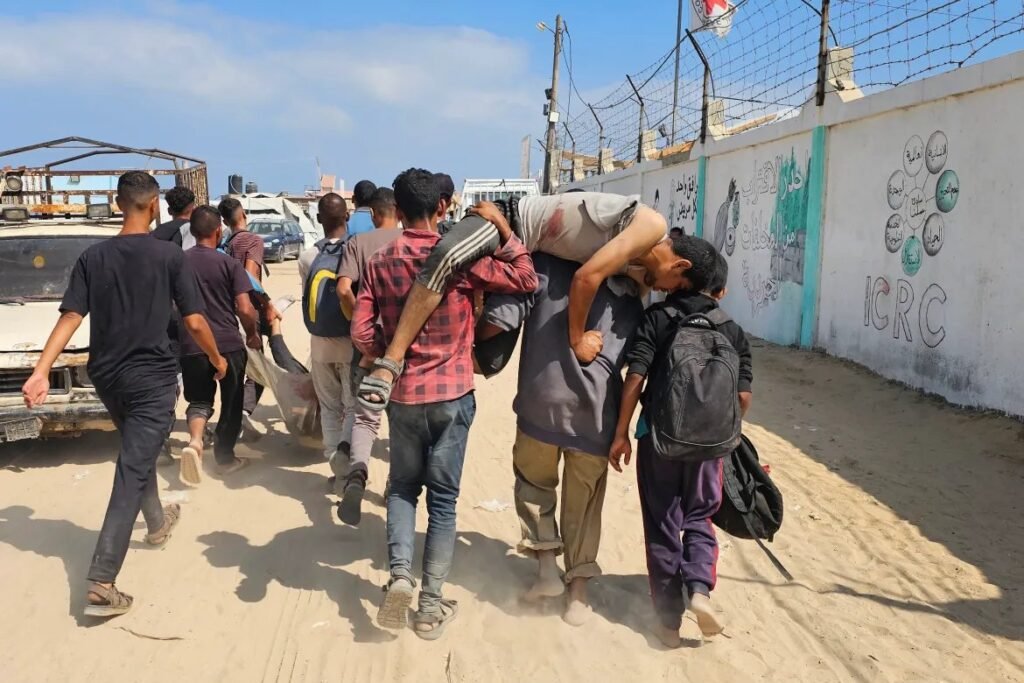
Most Palestinians in Gaza continue to rely heavily on humanitarian assistance following years of war, repeated displacement, and ongoing Israeli restrictions on the delivery of aid and essential goods.
Fragile Progress
In December, the IPC reported that parts of Gaza were no longer experiencing famine conditions, revising an earlier assessment issued in August. However, the organization now warns that the progress achieved since then is increasingly at risk as aid levels begin to decline.
Nutrition programs serving pregnant and breastfeeding women have already been scaled back significantly. The number of beneficiaries was cut in half between January and May, falling to approximately 6,000 women.
Humanitarian agencies say additional reductions are likely as funding shortages worsen and uncertainty continues to affect relief operations across the territory.
Israel has repeatedly rejected accusations that it has pursued a policy of starvation in Gaza, despite acknowledging food shortages during various stages of the conflict.
Meanwhile, aid organizations continue to warn of a deepening humanitarian emergency, including the deterioration of water and sanitation infrastructure throughout the enclave.
Aid Access Remains Critical
The World Food Programme (WFP) said Thursday that food security and child nutrition indicators have improved across Gaza but remain highly vulnerable because only one aid crossing remains operational.
The agency noted that expanded humanitarian access since the October 2025 ceasefire has led to a substantial increase in food assistance, nutrition support, healthcare services, and agricultural aid.
Still, it stressed that the progress remains precarious and could be undermined if humanitarian access is reduced.
Last month, UN humanitarian chief Tom Fletcher called for all crossings into Gaza to be reopened and urged the immediate removal of Israeli restrictions on essential supplies, including medical equipment and fuel.
The WFP also reported early signs that local food production could recover if farmers and livestock owners are granted access to agricultural land, production inputs, veterinary services, and reliable energy for irrigation.
The agency highlighted improvements in the livestock sector, noting that sheep populations increased by 33% in areas where support programs continued.
Nevertheless, the organization warned that such recovery efforts have clear limits unless restrictions on the entry of goods and supplies into Gaza are lifted.
Years of destruction have devastated Gaza’s agricultural sector. According to the WFP, more than 70% of Gaza’s farmland remains inaccessible, while only 3% of agricultural land is currently usable due to widespread damage and ongoing restrictions.