Gaza Herald _Nearly nine months after a ceasefire and internationally backed peace framework raised hopes for an end to the devastation in Gaza, Palestinians continue to endure conditions that, for many, differ little from those experienced during the war itself. Instead of reconstruction, recovery, and a return to normal life, Gaza remains trapped under destruction, displacement, and severe humanitarian deprivation.
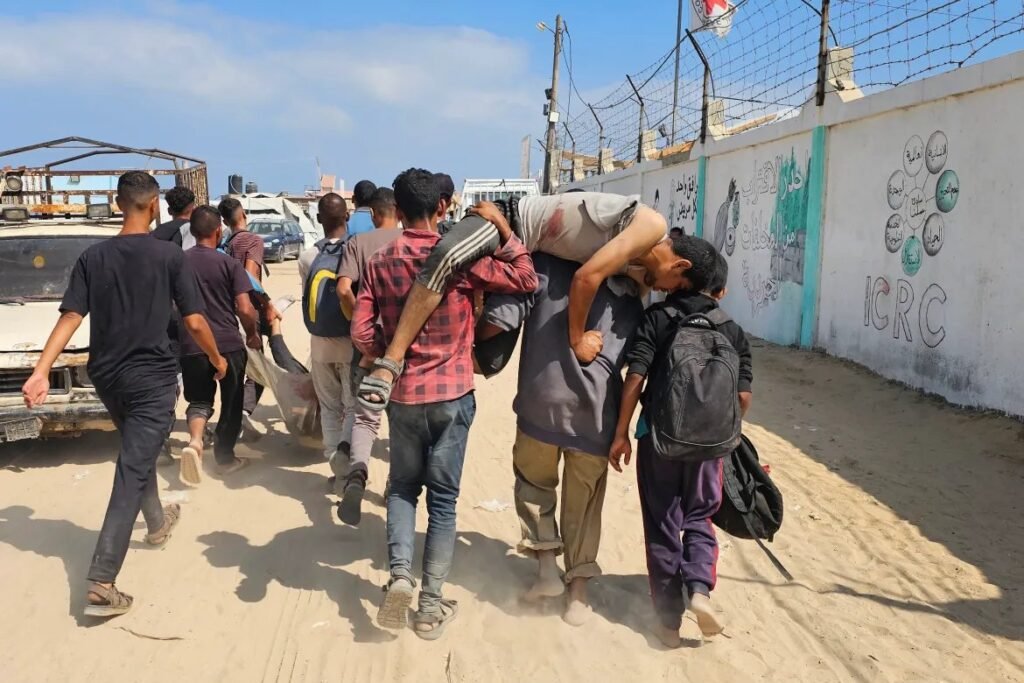
For Palestinians across the Strip, the ceasefire has not delivered peace. Families remain confined to overcrowded displacement camps, entire neighborhoods lie in ruins, and the most necessities of life, including clean water, electricity, healthcare, and adequate shelter, remain beyond the reach of hundreds of thousands of civilians.
The promises of reconstruction have largely failed to materialize while humanitarian conditions continue to deteriorate.
Reconstruction Deferred While Destruction Endures
The post-war framework was expected to open the way for large-scale rebuilding, restore public services, and allow displaced Palestinians to begin returning to their communities. Instead, reconstruction has stalled while the physical scars of the war continue to dominate nearly every part of Gaza.
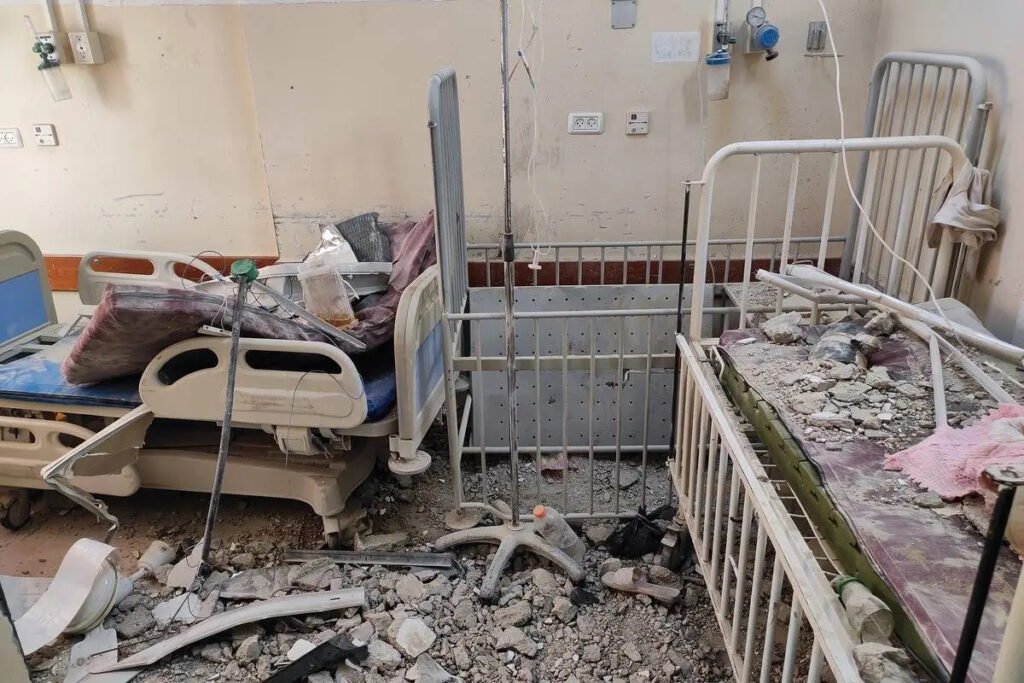
Entire residential districts remain flattened. Schools, hospitals, universities, municipal infrastructure, and businesses continue to operate only partially, or not at all, after sustaining extensive damage.
For many Palestinians, rebuilding is impossible while restrictions on the entry of construction materials, machinery, fuel, and essential equipment continue to impede even the earliest stages of recovery.
A Humanitarian Crisis Without End
While international diplomacy has focused on political negotiations, civilians continue to bear the consequences of a humanitarian emergency that has shown few signs of easing.
Medical facilities struggle with chronic shortages of medicines, laboratory supplies, blood products, and essential equipment. Access to clean drinking water remains critically limited as damaged infrastructure and shortages of fuel and industrial supplies reduce water production across the Strip.
Families spend hours each day searching for water, food, or medical treatment. Children continue to grow up amid displacement, interrupted education, psychological trauma, and deep uncertainty about their future.
Humanitarian organizations have repeatedly warned that deteriorating sanitation systems, overcrowded shelters, food insecurity, and collapsing healthcare services threaten to create an even greater public health catastrophe.
Palestinians Continue Paying the Highest Price
Despite repeated diplomatic initiatives, Palestinians argue that the burden of the conflict continues to fall overwhelmingly on civilians.
Thousands of families remain displaced months after the ceasefire. Many are unable to return because their homes have been destroyed, while others remain inside areas they describe as unsafe due to ongoing military activity and insecurity.
The continued destruction of civilian infrastructure has affected every aspect of daily life—from healthcare and education to employment, agriculture, and access to essential services—deepening an already unprecedented humanitarian crisis.
Peace Requires More Than Silence
For Palestinians, a ceasefire cannot be measured solely by reductions in large-scale military operations. Genuine peace requires conditions that allow civilians to live safely, rebuild their homes, educate their children, receive medical care, and recover with dignity.
Without meaningful reconstruction, unrestricted humanitarian access, protection for civilians, and a political process capable of addressing the root causes of the conflict, many Palestinians fear that today’s ceasefire risks becoming little more than another chapter in a prolonged cycle of suffering.
The future of Gaza will ultimately depend not only on diplomatic declarations but on whether the international community is prepared to ensure that commitments to reconstruction, accountability, humanitarian relief, and the protection of civilians are translated into realities on the ground.
Until that happens, many Palestinians see the ceasefire not as the beginning of recovery, but as a period in which the devastation of war has given way to a slower, less visible form of hardship, one that continues to shape every aspect of life across the Gaza Strip.