Gaza Herald – The Gaza Center for Human Rights has warned of a rapidly worsening water crisis in the Gaza Strip, saying more than two million Palestinians are facing life-threatening humanitarian conditions as summer temperatures rise amid the near-total collapse of the territory’s water system.
In a statement, the center said Israel’s attacks on water infrastructure, coupled with restrictions on the entry of fuel, equipment, and maintenance supplies, have crippled the sector and severely limited access to safe water.
According to the center, the average daily water consumption per person has fallen from approximately 80 liters before October 2023 to just 3-6 liters, while residents in some areas receive as little as 2 liters per day, far below the 15 liters per person per day recommended by the World Health Organization for basic humanitarian needs.
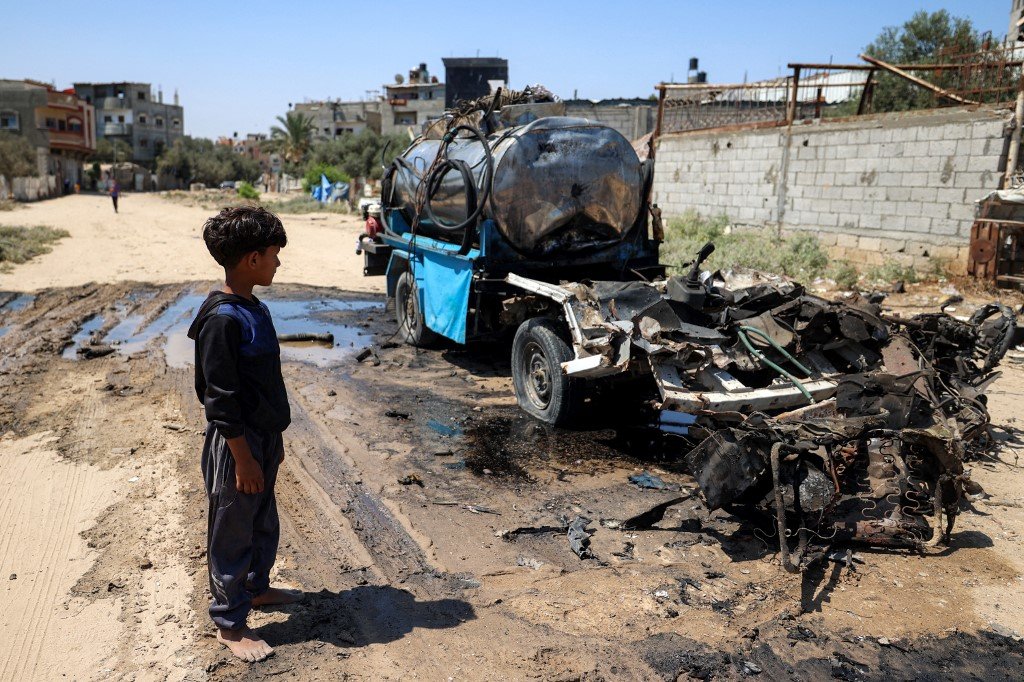
The organization reported that more than 80% of Gaza’s water and sewage networks have been destroyed or damaged, with over 1,675 kilometers of pipelines affected. The damage has forced the shutdown of most desalination plants, pumping stations, and wastewater treatment facilities, while groundwater contamination and rising salinity have further reduced access to safe drinking water.
It added that the continued ban on fuel imports and prolonged electricity outages have halted the operation of water wells and pumping stations, forcing residents to travel long distances to obtain limited quantities of water that are often unsafe for drinking or household use.
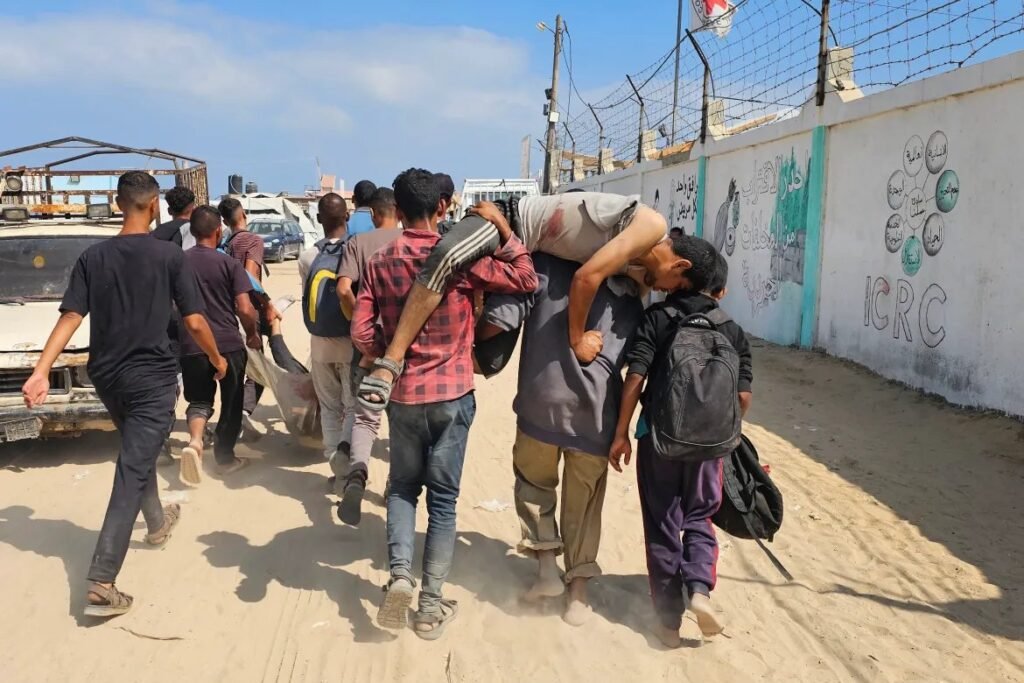
The crisis is particularly severe for nearly one million displaced Palestinians living in makeshift tents lacking basic services, where the risk of waterborne diseases continues to grow, especially among children, the elderly, and people with chronic illnesses.
The center said depriving civilians of access to water is being used as a means of pressure, stressing that international humanitarian law prohibits attacks on civilian infrastructure essential for survival and the denial of water to civilian populations.
It further argued that the ongoing water crisis forms part of a broader pattern of violations that may constitute one of the underlying acts of genocide.
The Gaza Center for Human Rights called on the international community to take urgent action to halt attacks on civilian infrastructure, ensure the immediate entry of fuel, equipment, and maintenance materials, guarantee safe access for repair and humanitarian teams, and secure a sustained supply of safe drinking water for Gaza’s population.
The organization also urged the opening of international investigations and accountability measures regarding attacks on water facilities and the use of water deprivation against civilians.