
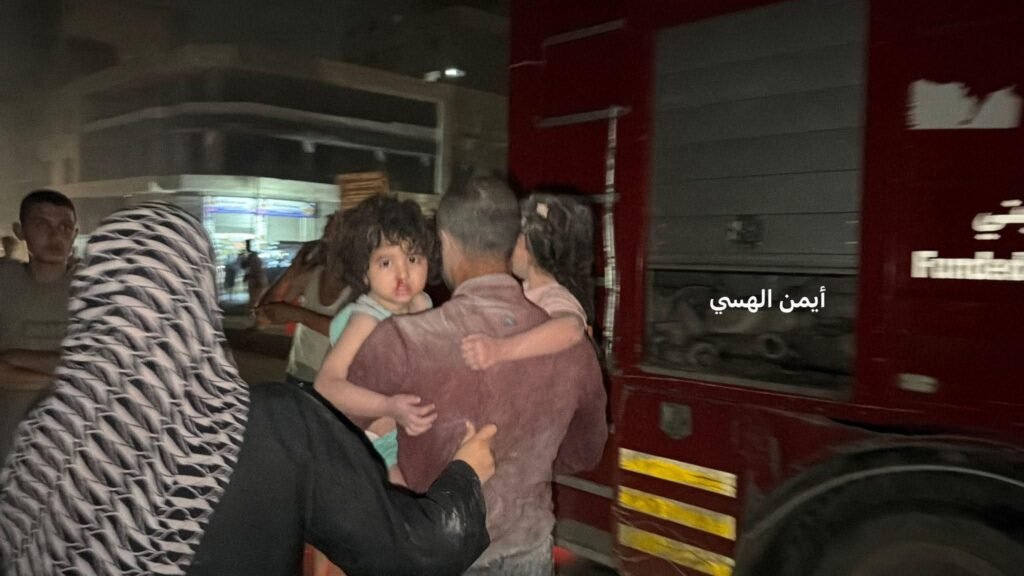
Gaza Herald _The number of Palestinian children killed in Gaza since the announcement of a ceasefire remains deeply alarming and casts serious doubt on claims that the territory has entered a period of safety or stability, according to UNICEF spokesperson James Elder.
Speaking about conditions in the Gaza Strip, Elder said the continued loss of children’s lives is both heartbreaking and unacceptable, warning that the reality experienced by Palestinian families bears little resemblance to the image of calm often associated with a ceasefire. While the international community has repeatedly referred to a truce in Gaza over recent months, he stressed that violence continues to claim the lives of civilians, particularly children.
According to Elder, at least one Palestinian child has been killed on average every day since the ceasefire took effect. He described the figure as devastating, noting that children continue to face life-threatening dangers despite expectations that the agreement would provide greater protection for civilians and create a safer environment across the territory.
The UNICEF spokesperson emphasized that many of the children killed during this period were not caught in active fighting or military confrontations. Instead, they lost their lives in places where they should have been protected, including family homes, schools, shelters, and recreational areas. Others were killed while carrying out routine daily activities, highlighting the persistent risks facing children throughout Gaza.
Elder noted that child casualties have resulted from a range of incidents, including direct airstrikes, gunfire, and attacks involving drones. These incidents, he said, demonstrate that Palestinian children continue to live under constant threat, even after the formal announcement of a ceasefire.
He warned that the ongoing deaths and injuries among children undermine confidence in assertions that Gaza currently offers a secure environment for its civilian population. Beyond the immediate loss of life, Elder stressed that the continued exposure of children to violence, displacement, fear, and insecurity is likely to have long-term consequences for an entire generation growing up amid conflict.
UNICEF has repeatedly expressed concern about the humanitarian and psychological toll of the war on Gaza’s children, many of whom have experienced displacement, the loss of family members, destruction of their homes, and prolonged interruptions to education and healthcare. Elder stressed that children require more than declarations of a ceasefire; they need genuine protection, sustained security, and access to the basic conditions necessary for a safe and dignified life.
He concluded by urging greater international attention to the plight of Gaza’s children, emphasizing that the continued killing of minors during a period officially described as a ceasefire should serve as a stark reminder that the humanitarian crisis in the Gaza Strip remains far from over. As long as children continue to lose their lives, he said, questions will remain about the effectiveness of efforts to ensure their safety and protect civilian populations from further harm.

