Gaza Herald – The occupied West Bank recorded a historic surge in settler violence during October, with the United Nations Office for the Coordination of Humanitarian Affairs documenting three hundred and ninety-seven incidents between the first and twenty-sixth of the month. This figure represents the highest monthly total since UN monitoring began in two thousand and six.
The escalation coincided with the olive harvest season, which saw intensified targeting of farmers and agricultural lands. According to UNOCHA, thirty-eight season-related attacks occurred within a single week, causing injuries among citizens and damaging property and agricultural equipment.
The repercussions extend beyond immediate losses, affecting Palestinian family livelihoods and their ability to access land and harvest crops. Reports indicate theft of olives, destruction of trees, and assaults on farmers preventing them from completing the harvest.
In the Hebron governorate, UN estimates based on municipal data suggest approximately three thousand Palestinians were displaced due to continuous restrictions and attacks. These figures remain under verification. Additionally, more than two hundred and fifty-one thousand students were forced to switch to remote learning due to field risks and difficulties accessing schools.
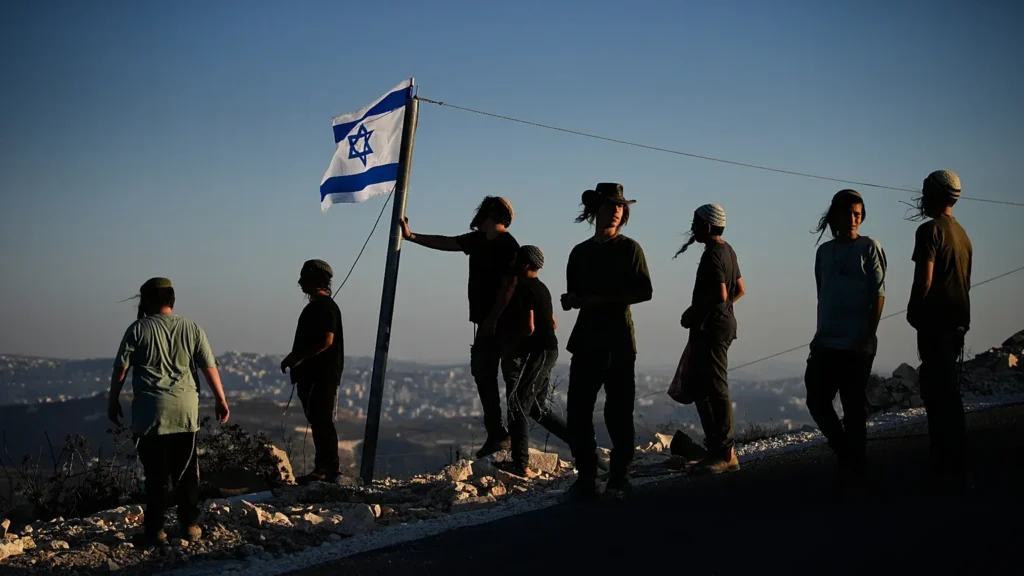
Attacks by settler groups, including those known as Hill Youth, targeted agricultural lands, homes, vehicles, and Palestinian gatherings, particularly in Area C. Property in these areas faced consistent assault and vandalism, raising concerns about impacts on population stability.
The targeting of the olive season holds particular significance as it serves as a primary income source for thousands of families. Preventing farmers from accessing land or stealing crops multiplies economic losses and deepens pressures on communities.
The UN report highlights the expanding scope of violence during October, reflecting increasing risks for farmers and residents across the West Bank amidst ongoing attacks on land and property that challenge resilience.
This report was produced in the Gaza Herald newsroom.