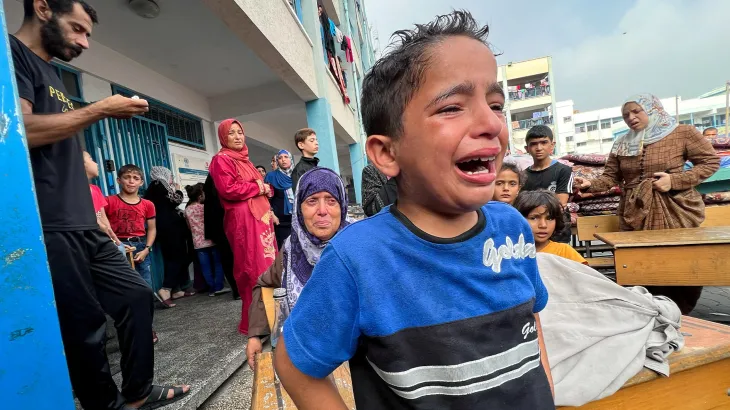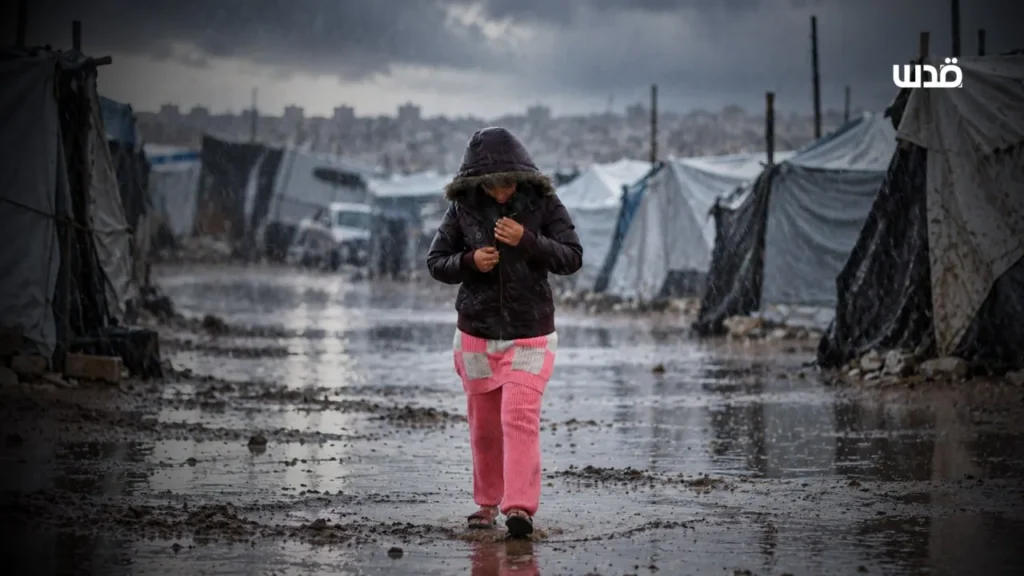
Gaza Herald – As the fourth winter approaches since the start of the genocide, displaced residents in Gaza are bracing for rain and cold inside tents whose fabrics have been worn out by prolonged summer heat. Many shelters lack basic protection, with tarps and drainage systems largely absent due to restrictions on aid entry.
According to the Gaza Media Office, more than 60 percent of tents are dilapidated and require immediate replacement. This amounts to 162 thousand tents out of a total of 270 thousand currently in use. The office stated that approximately 2.15 million displaced Palestinians are living under dire humanitarian conditions.
Ajith Songay, head of the UN Office for the Coordination of Humanitarian Affairs in the Occupied Palestinian Territory, warned on Friday about the ongoing “nightmare of displacement.” He described the situation in Gaza as both acute and chronic, noting that most Palestinians are spending their fourth winter in flimsy shelters amidst continued Israeli bombardment.
Asad Al-Husni, a resident in a Gaza City shelter, expressed fear of repeating past experiences of flooding. He told Quds Network that his tent is three years old and no longer suitable for habitation. Al-Husni recalled sleeping through previous winters without rest, constantly moving clothes to avoid water seepage, and once having to sleep in another tent after his own flooded.
Yousef Al-Majdalawi faces similar challenges, using an old tent cloth as a roof due to the absence of tarps. He and his sons manually dig channels to divert water away from their shelter during rains. Al-Majdalawi described the season as terrifying, noting that the tent floor sits lower than the surrounding ground, turning into a pond that damages belongings.
Abdul Karim Abu Bid, who set up his tent on a narrow sidewalk in Gaza City, said flooding is inevitable this winter. His shelter lacks a tarp and is exposed to traffic dust and runoff. He stated that he cannot afford a new tent or tarp, managing only daily food costs, while camps in western Gaza remain overcrowded.
Nidal Abu Bid bought a tent recently, but it appears worn due to dust from passing vehicles. Market prices for durable tents range significantly, with some types costing between 1600 and 2000 shekels, far exceeding the capacity of most displaced families. Aid institutions provide limited supplies, driving up black market prices.
Kamel Abu Zour, living on a concrete surface without drainage, highlighted health risks for children due to dampness and cold. Families continue to struggle with inadequate infrastructure, relying on sand absorption which fails during heavy downpours on clay soil, leading to mud and widespread damage to essential items.
This report was produced in the Gaza Herald newsroom.