DaysOfPal — The Government Media Office in the Gaza Strip announced Monday that it had documented 5,989 Israeli violations of the ceasefire agreement since it took effect, including 753 violations in October alone, amid continued restrictions on humanitarian aid, fuel deliveries, and travel through the Rafah crossing.
In a statement issued Monday, the office said Israeli violations since the agreement began had killed 1,593 Palestinians, injured 5,748 others, and led to the arrest of 217 people.
It warned that continued attacks and restrictions at border crossings were worsening Gaza’s humanitarian crisis and living conditions.
145 Palestinians Killed in October
According to the statement, Israeli forces committed an average of 24.3 ceasefire violations per day during October.
These included 346 shooting incidents, 310 bombardments, 64 home demolitions using explosives, 21 military vehicle incursions, and 12 arrest incidents.
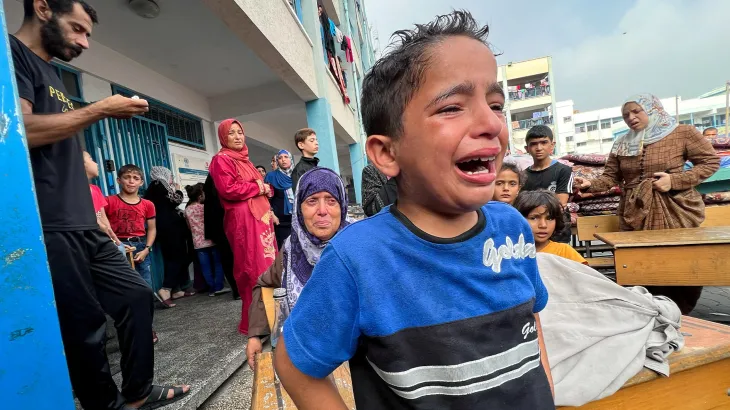
The office recorded 145 Palestinians killed during the month, including 21 children, 14 women, and two elderly people.
Another 672 Palestinians were injured, including 182 children, 129 women, and 30 elderly people. Children, women, and older adults accounted for approximately half of those injured.
The office also reported that 19 Palestinians were arrested during October, with 12 arrest incidents documented among the ceasefire violations.
80% Shortfall in Truck Deliveries
On the humanitarian front, the office said only 3,777 trucks entered Gaza during October, out of the 18,600 trucks it said were required under the agreement.
That represents just 20.3% of the agreed deliveries, averaging approximately 122 trucks per day, compared with the 600 trucks per day stipulated in the agreement.
The deliveries included 1,805 humanitarian aid trucks, 1,725 commercial trucks, and 247 fuel trucks.
Fuel deliveries reached only 15.9% of the agreed quantity, with 247 trucks entering Gaza instead of the 1,550 specified under the agreement.
Since the ceasefire took effect, a total of 77,657 trucks have entered Gaza, compared with the 232,800 trucks the office said should have been allowed in, representing a compliance rate of 33.3%.
Restrictions on Travel Through Rafah
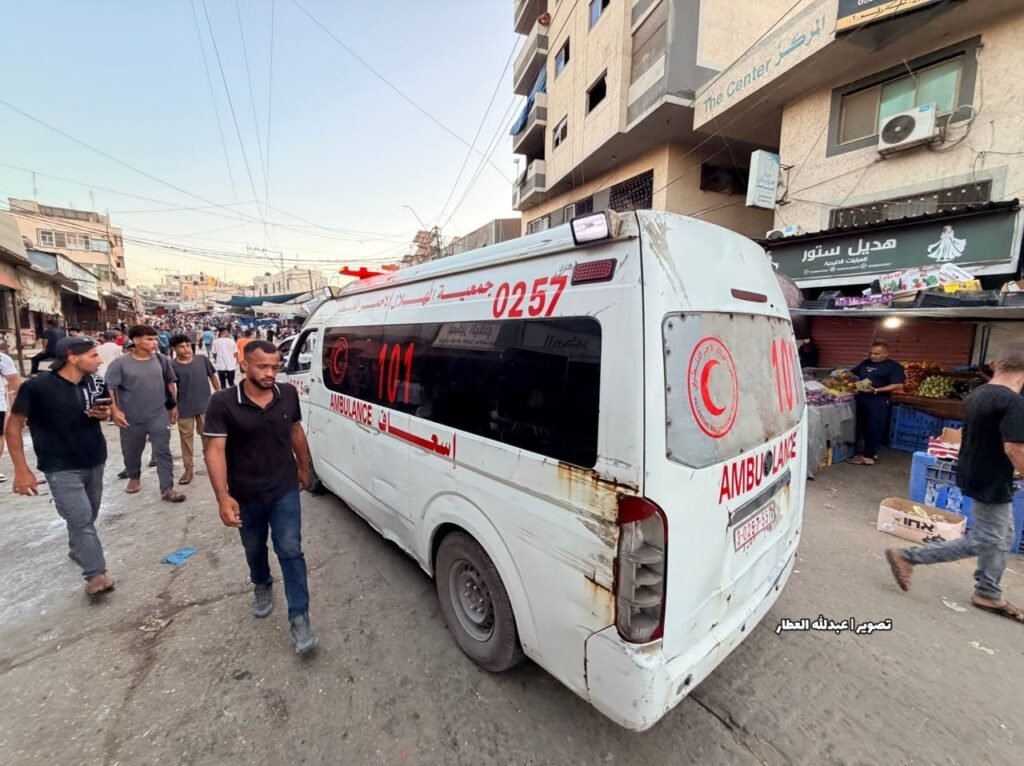
At the Rafah crossing, the statement recorded 802 passenger movements in both directions during 21 working days in October, compared with the 4,200 movements expected under the agreement.
This represented just 19.1% of the agreed total.
The figure included 404 departures, out of an expected 3,150, and 398 returns, compared with the 1,050 expected under the agreement.
Since the ceasefire began, a total of 14,821 passenger movements have been recorded in both directions, compared with the 40,000 movements expected for patients, wounded Palestinians, and humanitarian cases.
The Government Media Office strongly condemned what it described as Israel’s “deadly and lethal policy of systematic strangulation” against defenseless Palestinians in Gaza, calling it a flagrant violation of international humanitarian law.
It held Israel and the countries supporting it, particularly the US administration, responsible for the continuation of the crisis.
The office called on mediators and sponsors of the ceasefire agreement to pressure Israel to halt its attacks, open border crossings, and allow the entry of humanitarian and medical aid and fuel.
Ceasefire Fails to Halt Killings or Guarantee Humanitarian Access
The figures show that the ceasefire has not stopped the killing of Palestinians or guaranteed the delivery of food and fuel or the ability of patients to travel abroad for treatment.
More than a year after the agreement took effect, Israeli forces continue to carry out bombardments and demolish homes, while only one-fifth of the agreed truck deliveries entered Gaza during October, according to the Government Media Office.
These restrictions are compounding the suffering of a population already exhausted by war and displacement, placing responsibility on mediators and sponsors of the agreement to ensure its implementation.
A ceasefire cannot provide meaningful protection while civilians continue to be killed, humanitarian assistance remains restricted, and patients are left waiting for permission to leave Gaza for medical treatment.