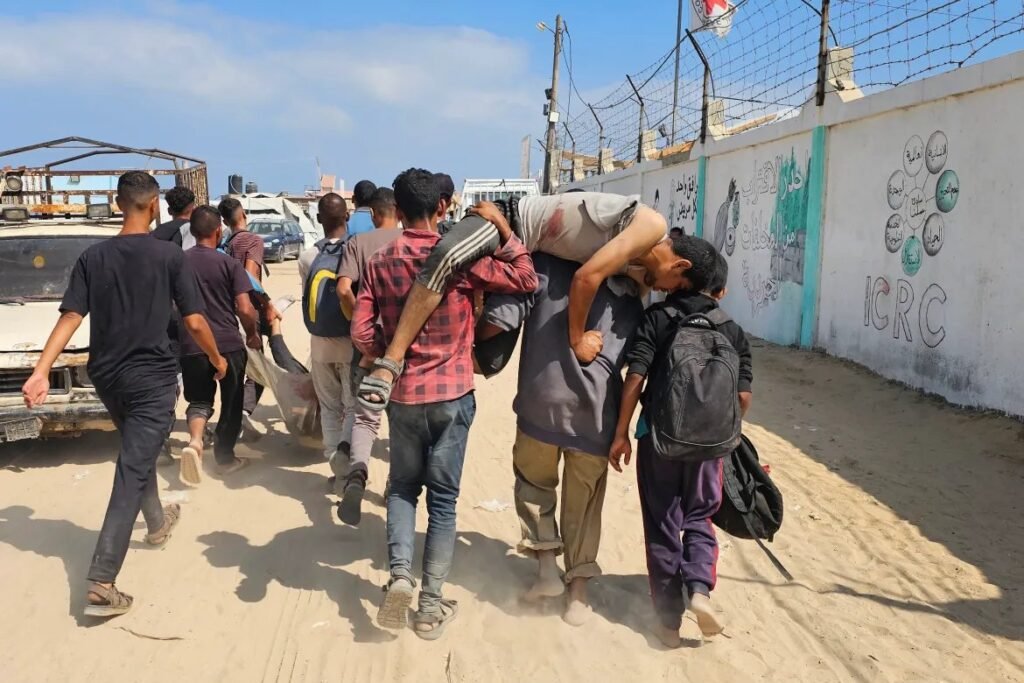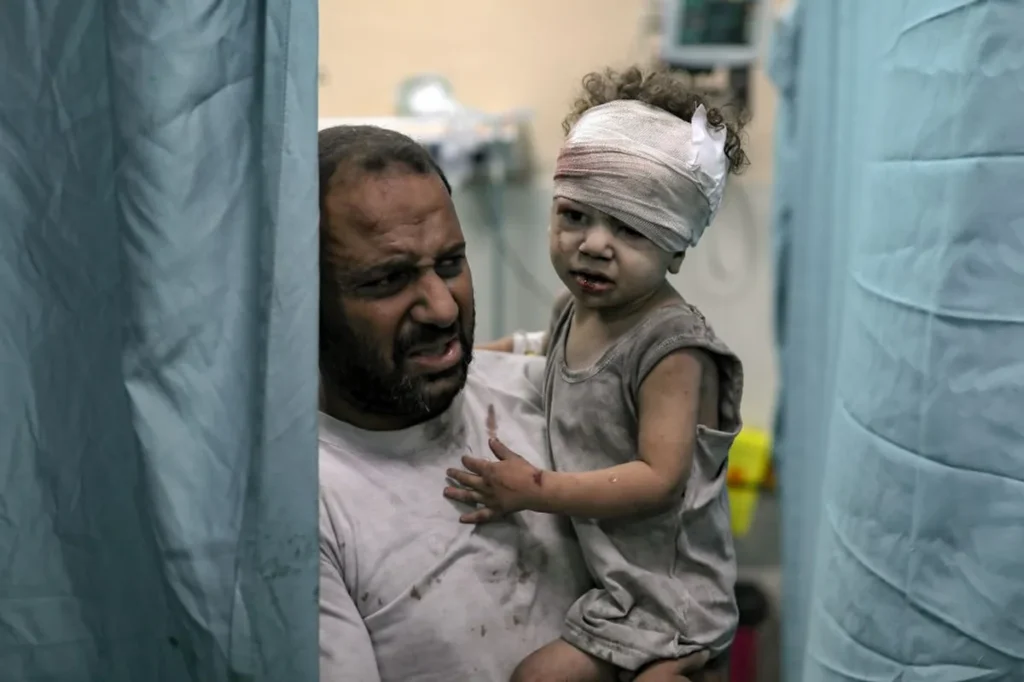
Gaza Herald — Gaza’s healthcare crisis is deepening as critical shortages of medicines and medical supplies threaten thousands of cancer, kidney and chronic-disease patients, while hospitals continue operating at severely limited capacity after widespread destruction of the enclave’s health infrastructure.
Dr. Muhammad Abu Salmiya, director of Al-Shifa Medical Complex, said Thursday that 50% of listed medicines are completely out of stock, while more than 300 medications for chronic illnesses have been depleted. Medical consumables are also facing a 70% shortage, affecting roughly 550 essential items.
Laboratory supplies are in even shorter supply, with about 80% of laboratory materials unavailable, Abu Salmiya said. He added that X-ray, MRI and CT imaging services have largely been knocked out, leaving doctors without critical diagnostic tools and depriving patients and wounded Palestinians of potentially lifesaving care.
The warnings come amid longstanding shortages of medicines, medical supplies and laboratory materials across Gaza, while much of the enclave’s healthcare infrastructure remains destroyed, damaged or only partially operational.
Kidney Patients Face an Imminent Crisis
Kidney patients are among those facing the most immediate danger. Abu Salmiya warned that available bicarbonate supplies used for dialysis are sufficient for only about 10 days. Without new shipments, hospitals could again be forced to shorten dialysis sessions to keep the service operating.
Previous humanitarian reporting has documented disruptions to dialysis services caused by shortages of essential supplies, forcing healthcare facilities to reduce treatment times and increase the number of shifts in an effort to maintain access to lifesaving care.
In June, Palestinian health authorities warned that medicine shortages were threatening the lives of thousands of cancer and dialysis patients as stocks of essential medicines continued to run out.
Cancer Treatment Halted as Patients Continue to Die
Cancer patients face an equally severe crisis. Abu Salmiya said chemotherapy and biological treatment protocols have been suspended for roughly 11,000 patients, including about 4,500 who urgently require treatment. He also reported between three and four deaths each day among cancer and blood-disease patients.
Cancer patients in Gaza have faced severe disruptions to diagnosis and treatment following the destruction of specialized medical facilities and restrictions on patients seeking treatment outside the enclave.
Abu Salmiya also reported increases in cases of colon, lung and breast cancer. He linked the increase to prolonged exposure to rubble, famine and what he described as prohibited weapons. The claimed causes require further medical investigation and have not been independently established.
More than 70,000 diabetes patients, including approximately 2,500 children, are also facing shortages of insulin pens and blood-glucose testing strips, according to Abu Salmiya. He warned that worsening malnutrition is placing children at additional risk, including cases of stunted growth.
The collapse of Gaza’s healthcare system is not limited to damaged hospitals and dwindling medical supplies. The health workforce has also suffered enormous losses.
Abu Salmiya said more than 1,700 healthcare workers have been killed since October 2023, while hundreds have been detained by Israeli forces. Recent humanitarian and Palestinian sources have reported that dozens of healthcare workers remain in Israeli custody.
The loss of doctors, nurses, paramedics and other healthcare professionals has compounded the crisis, leaving fewer qualified workers available to operate the facilities that remain functional.
Sanitation Crisis Fuels Disease
Gaza’s worsening environmental conditions are further threatening public health, particularly in overcrowded displacement areas.
Abu Salmiya said skin diseases are widespread as garbage accumulates and untreated sewage flows through populated areas. He also reported increases in hepatitis, chickenpox, food poisoning and gastrointestinal infections amid contaminated water, inadequate sanitation, overcrowding and deteriorating hygiene conditions.
UN agencies and humanitarian organizations have repeatedly documented growing health risks linked to displacement, damaged water and sanitation systems, overcrowding and the spread of communicable diseases.
The figures point to a healthcare system facing a systemic emergency rather than a simple shortage of medicine: essential drugs are disappearing, medical supplies are running out, diagnostic equipment has been destroyed or rendered inoperable, healthcare workers have been killed or detained, hospitals are operating far below capacity, and thousands of patients require specialized treatment that remains difficult to access.
Cancer patients, dialysis patients, people with chronic illnesses and children are among those most vulnerable to the consequences. Hospitals are being forced to preserve basic services in an environment where the resources needed to provide routine and lifesaving care remain severely restricted.
For Gaza’s patients, survival increasingly depends not only on the ability of exhausted medical teams to provide treatment, but also on the regular and uninterrupted entry of medicines, medical supplies, diagnostic equipment and other essential healthcare resources.