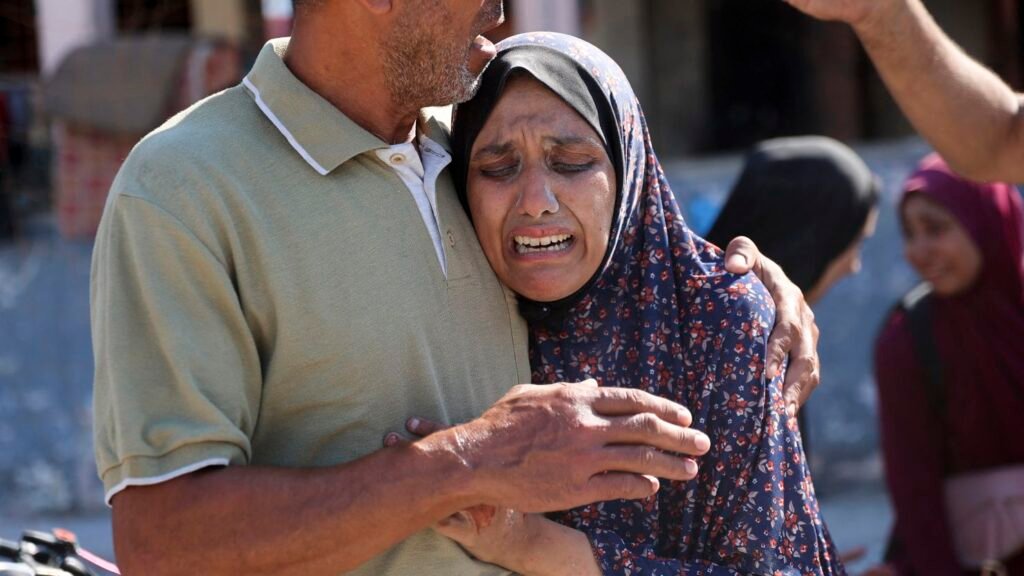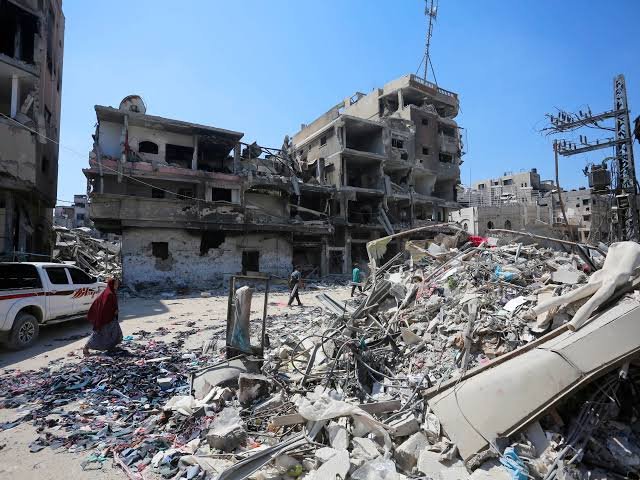
Gaza Herald – For many displaced Palestinian families in Gaza, the humanitarian crisis is no longer simply about whether aid arrives; it is also about what is inside the aid packages.
Families report receiving repeated supplies of lentils, beans, canned food and other staples while struggling to obtain basic items they need more urgently. The result is a painful contradiction: food aid continues to arrive, yet many families remain unable to meet their actual nutritional and household needs.
More than 1.2 million Palestinians, around 59% of Gaza’s population, faced crisis-level food insecurity or worse between April and June 2026, according to the latest IPC analysis. That figure is projected to rise to more than 1.4 million Palestinians, or 67% of the population, through the end of 2026.
The problem is not that families do not need assistance. They desperately do. But when the same limited selection of food is repeatedly distributed, some items accumulate inside overcrowded tents while other essentials remain scarce or unaffordable.
One displaced woman said she spent 25 shekels just to travel to an aid distribution point, only to return with food her family already had in large quantities. Another displaced man said he had accumulated more than 50 kilograms of lentils inside his tent.
These reports expose a wider failure in the aid system: the quantity of aid cannot be the only measure of humanitarian response. Aid must reflect what Palestinian families in Gaza actually need.
The World Food Programme has similarly warned that food assistance remains insufficient in terms of quantity, quality and diversity. For families living through prolonged displacement, hunger and economic collapse, support must include a broader range of food and essential household supplies, including flour, cooking oil, infant needs, hygiene products and other necessities.
Cash assistance can also give families greater control over their own survival, allowing them to purchase what they need most rather than receiving fixed packages that may no longer match their circumstances.
For Gaza’s displaced families, the question is increasingly clear: humanitarian aid should not simply reach people, it should reach them with what they actually need to survive.