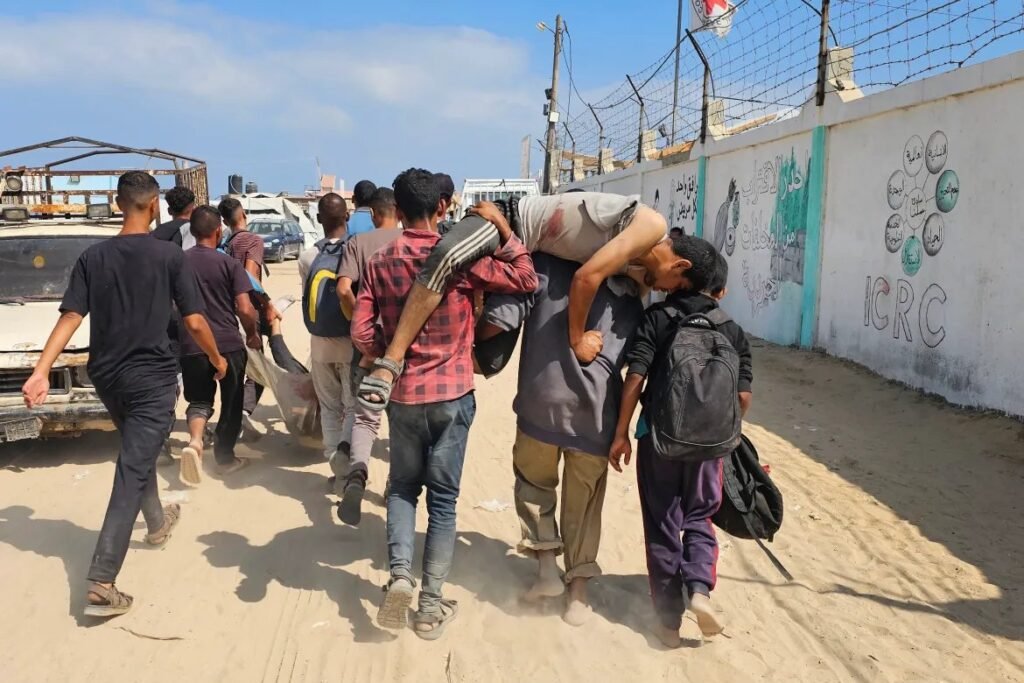
Gaza Herald _The Gaza Government Media Office said Monday that Israeli Prime Minister Benjamin Netanyahu’s latest statements represent a clear reversal of the negotiation process, accusing Israel of using talks as political cover to buy time and continue its genocidal war on the Gaza Strip.
In a statement, the office said Netanyahu’s rejection of the 15-point document, his imposition of what it described as impossible conditions, and his refusal to withdraw Israeli forces from Gaza amount to a deliberate blow to mediation efforts and a rejection of the commitments required under the second phase of the ceasefire agreement.
The office said the Palestinian side had demonstrated significant flexibility and responsibility in an effort to end the Israeli assault and ease the humanitarian crisis, while Israel continued to obstruct de-escalation efforts and push negotiations back to square one.
It held Israel fully responsible for the consequences of what it described as its intransigence, calling on mediators, the international community and the United Nations to exert immediate pressure to force an end to the war, secure a full Israeli withdrawal, reopen Gaza’s crossings and begin reconstruction without allowing Israel’s political maneuvers to derail the process.
Netanyahu rejects 15-point roadmap
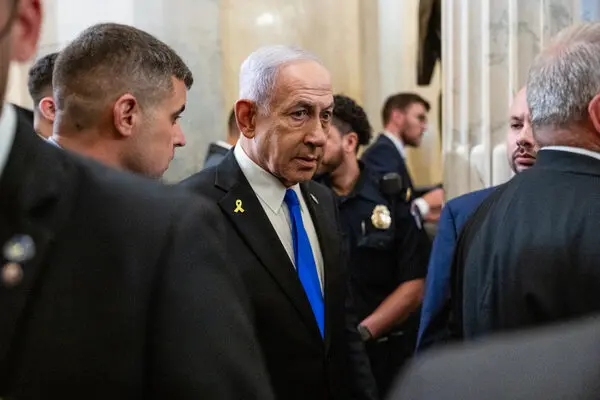
Netanyahu announced Sunday that Israel rejected a roadmap presented by the so-called Peace Council for moving toward the second phase of ending the war and implementing the Gaza ceasefire.
Speaking at the start of his weekly cabinet meeting, Netanyahu said Israel rejected the 15-point document and insisted that Israeli forces would not withdraw from Gaza until Hamas was subjected to what he called “genuine disarmament.”
He said the Israeli military would continue operating against what he described as threats to Israeli forces and civilians, effectively making disarmament a precondition for any withdrawal from the Strip.
The position threatens to further complicate efforts to advance the second phase of the ceasefire agreement, particularly over the sequencing of an Israeli withdrawal, Gaza’s future administration and the reconstruction process.
Hamas reaffirms commitment to roadmap
Hamas, meanwhile, reaffirmed its commitment to the understandings reached with mediators and the Peace Council concerning the roadmap for implementing the second phase of the Gaza ceasefire.
In a statement, the movement said it remained serious about engaging responsibly in implementing the 15 agreed provisions and called for a clear and binding timetable covering all stages of the process.
The group has previously stressed that negotiations should be conducted through mediators rather than through public statements and media pressure.
Disputes over Gaza’s future remain
The latest statements come as efforts continue to implement the second phase of the ceasefire, with negotiations involving Nikolay Mladenov, who is leading the Peace Council’s Gaza-related efforts in coordination with regional and international mediators.
Recent months have seen disagreements between Palestinian factions and Mladenov over the mechanisms for implementing the second phase, particularly after a proposed roadmap included provisions concerning Gaza’s reconstruction and weapons arrangements.
Hamas rejected aspects of the proposal, maintaining that such issues should be addressed through negotiations with mediators rather than publicly.
Recent details released by Mladenov indicate that the latest discussions have focused on a revised roadmap covering arrangements for governing Gaza, an Israeli withdrawal and reconstruction.
However, major differences remain over the timing and mechanisms for addressing the issue of weapons, which continues to be one of the most contentious points between the parties.
Regional and international mediation efforts are continuing in an attempt to move the negotiations toward implementation of the next phase of the agreement. But Netanyahu’s rejection of the roadmap and insistence on additional conditions have raised fresh questions over whether the process can move forward or whether Gaza will once again be pushed back into a cycle of war and stalled negotiations.