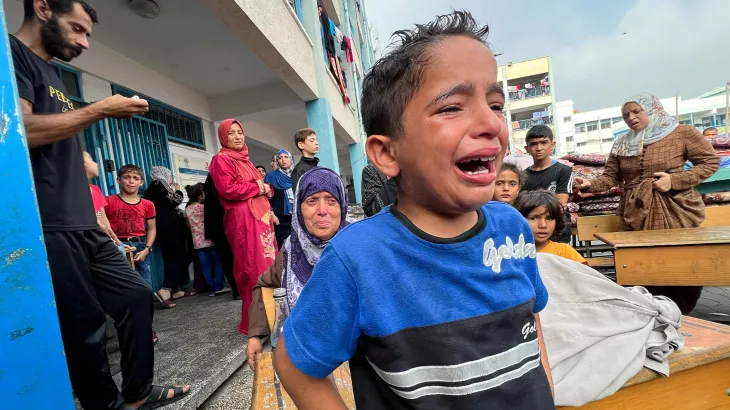
Gaza Herald _Despite 280 days having passed since a ceasefire was announced, Israeli military operations continue across the Gaza Strip, with Palestinian officials reporting a rising civilian death toll and ongoing strikes in multiple areas. They say the agreement has never been fully implemented on the ground, citing continued military operations, repeated ceasefire violations, and severe restrictions on humanitarian aid deliveries that have further deepened Gaza’s humanitarian crisis.
According to Gaza’s Government Media Office, Israeli forces carried out several deadly attacks over the past 72 hours, killing more than 25 civilians. The office said the strikes targeted public markets, funeral gatherings, residential neighborhoods, and other civilian locations.
Officials added that more than 3,750 ceasefire violations have been documented since the agreement took effect, holding Israel responsible for the continued military campaign and urging mediators and guarantor states to intervene and ensure implementation of the ceasefire.
Funeral in Nuseirat Turns Deadly
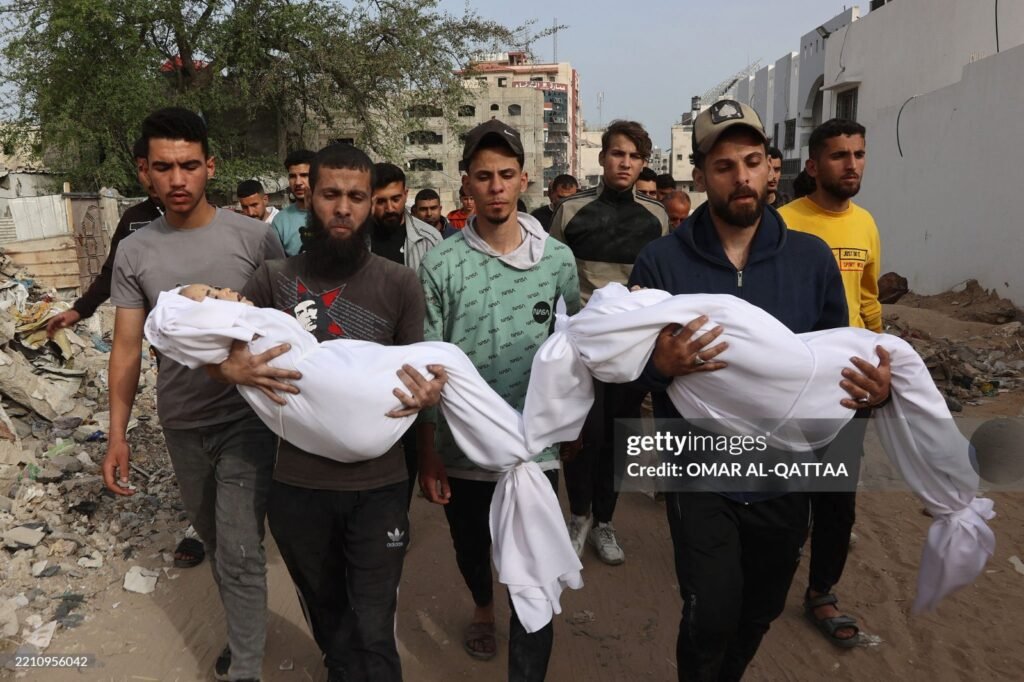
One of the deadliest incidents occurred in the Nuseirat refugee camp in central Gaza, where an Israeli airstrike hit mourners attending the funeral procession of Taher Abdel Wahed near a mosque.
Initial reports said at least seven Palestinians were killed and more than 20 others injured.
Israeli airstrikes, artillery shelling, and gunfire also continued across Khan Younis, Beit Lahia, and Gaza City, alongside military incursions into several areas of the Strip.
Death Toll Continues to Rise
The Palestinian Ministry of Health said Gaza hospitals received four bodies and 28 wounded people over the previous 24 hours.
According to the ministry, the number of Palestinians killed since the ceasefire announced on October 10 has risen to 1,127, with 3,643 others injured, in addition to hundreds of victims recovered from beneath the rubble.
The ministry also said the overall death toll since the war began on October 7, 2023, has reached 73,250 Palestinians, while 173,751 others have been injured.
Analyst Says Ceasefire Has Lost Its Meaning
Political analyst Eyad Al-Qarra says developments on the ground show that the ceasefire has effectively collapsed as Israeli military operations continue on a daily basis.
He says recent events demonstrate that Israel is “tearing up the ceasefire with missiles day and night,” pointing to intensified demolitions and explosions inside the area known as the “Yellow Line,” as well as the deadly strike on the funeral procession in Nuseirat.
According to Al-Qarra, Palestinians attempted to adapt to life under the ceasefire despite continuing casualties, but the recent escalation has pushed the situation beyond what many believed possible.
He argues that Israel has failed to implement key provisions of the agreement, including halting military operations, ending ground incursions, and stopping the expansion of the “Yellow Line,” where Israeli forces continue extending their military presence deeper into Gaza.
Al-Qarra also says humanitarian commitments outlined in the agreement have not been fulfilled, noting that the amount of aid entering Gaza remains far below what is needed to meet the population’s basic needs.
‘Targeting Funerals Is an Attack on Palestinian Society’
Political analyst Mohammad Shaheen says the attack on mourners in Nuseirat should not be viewed as an isolated incident but rather as part of a broader pattern affecting Palestinian society.
He says the strike, which reportedly killed 14 Palestinians and wounded many others, demonstrates that Palestinians are being denied even the opportunity to bury their loved ones in safety.
According to Shaheen, attacks on funeral processions carry a message that extends beyond those attending the ceremonies, targeting the wider Palestinian community itself.
He argues that the military campaign has expanded beyond individual targets to include homes, hospitals, mosques, funeral gatherings, and other aspects of civilian life, undermining both the social fabric and the community’s ability to recover.
Shaheen adds that turning funeral ceremonies into military targets reflects a pattern documented by human rights organizations and field reports regarding attacks on civilian gatherings during the war.
He concludes that such attacks are unlikely to achieve lasting political or military objectives, but instead demonstrate the continued inability to impose a decisive outcome despite many months of fighting.
Calls for Stronger International Action
Shaheen argues that one of the most alarming aspects of the recent attacks is that they continue in the absence of meaningful international accountability, with responses often limited to statements of condemnation.
He says this lack of effective action has contributed to a climate of impunity, allowing attacks on civilians to continue without meaningful consequences.
According to Shaheen, Gaza is not seeking expressions of sympathy but the implementation of international humanitarian law, meaningful protection for civilians, and concrete measures to prevent further attacks.
He also called on international mediators to play a more active role in helping ensure compliance with the ceasefire, increasing diplomatic pressure, bringing greater international attention to reported violations, and supporting legal efforts aimed at holding those responsible accountable.