Gaza Herald — Kidney failure patients in Gaza have issued an urgent appeal for international intervention after life-saving dialysis treatments were drastically reduced because hospitals no longer have enough essential medical supplies to operate dialysis machines.
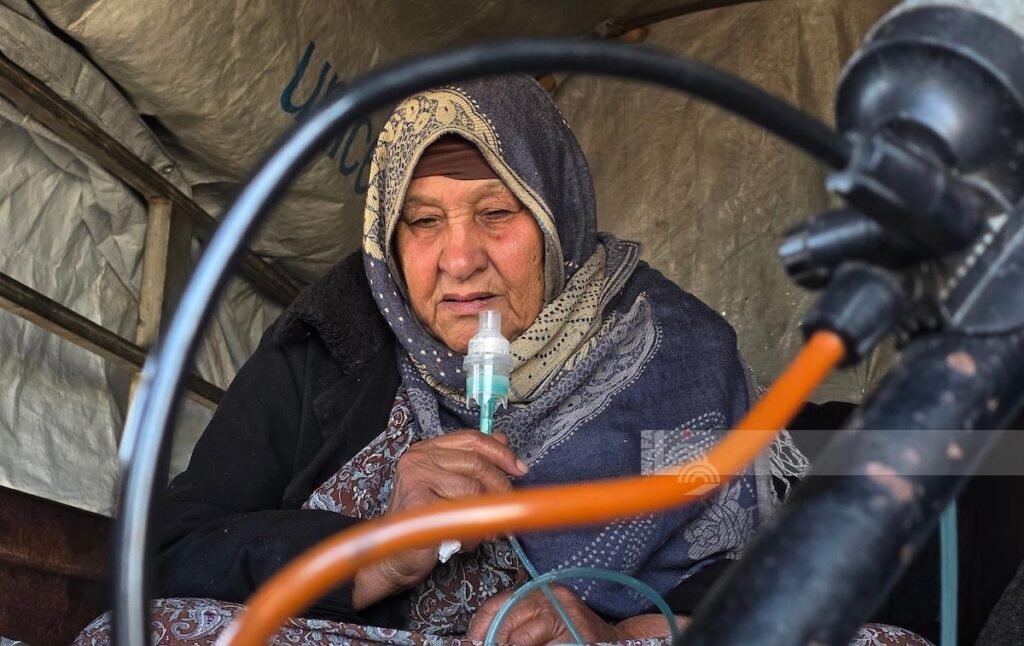
Patients gathered inside Al-Shifa Hospital on Tuesday, warning that the continuing shortage of critical dialysis materials has placed hundreds of lives at immediate risk. During the demonstration, they called on the international community and the World Health Organization to secure the medical supplies needed to restore full dialysis services before more patients lose their lives.
Among the most urgent shortages is sodium bicarbonate powder, a key component required for dialysis treatment. Without it, hospitals are unable to operate dialysis machines at full capacity, forcing medical staff to shorten treatment sessions or reduce their frequency despite the potentially fatal consequences.
Patient Wael Skik said those suffering from kidney failure are enduring unbearable conditions as supplies continue to run out.
He warned that unless the missing medical materials are delivered immediately, the lives of all dialysis patients will remain in grave danger.
Another patient, Hanan Nour, said hospitals have already reduced dialysis treatments by approximately six hours each week because essential materials are no longer available.
“We are threatened with death at any moment,” she said, appealing to international health organizations to intervene before the crisis claims more lives.
Patient Tayseer Mohammad explained that kidney failure patients previously received three to four dialysis sessions every week, each lasting around four hours. Because of the shortages, many now receive only two shorter sessions, significantly increasing the risk of life-threatening complications.
He warned that unless dialysis supplies are urgently replenished, the number of preventable deaths among kidney patients will continue to rise.
Patients with kidney failure rely entirely on regular dialysis to remove toxins from their blood and perform functions normally carried out by healthy kidneys. Any interruption or reduction in treatment can rapidly lead to severe medical complications, organ failure, and death.
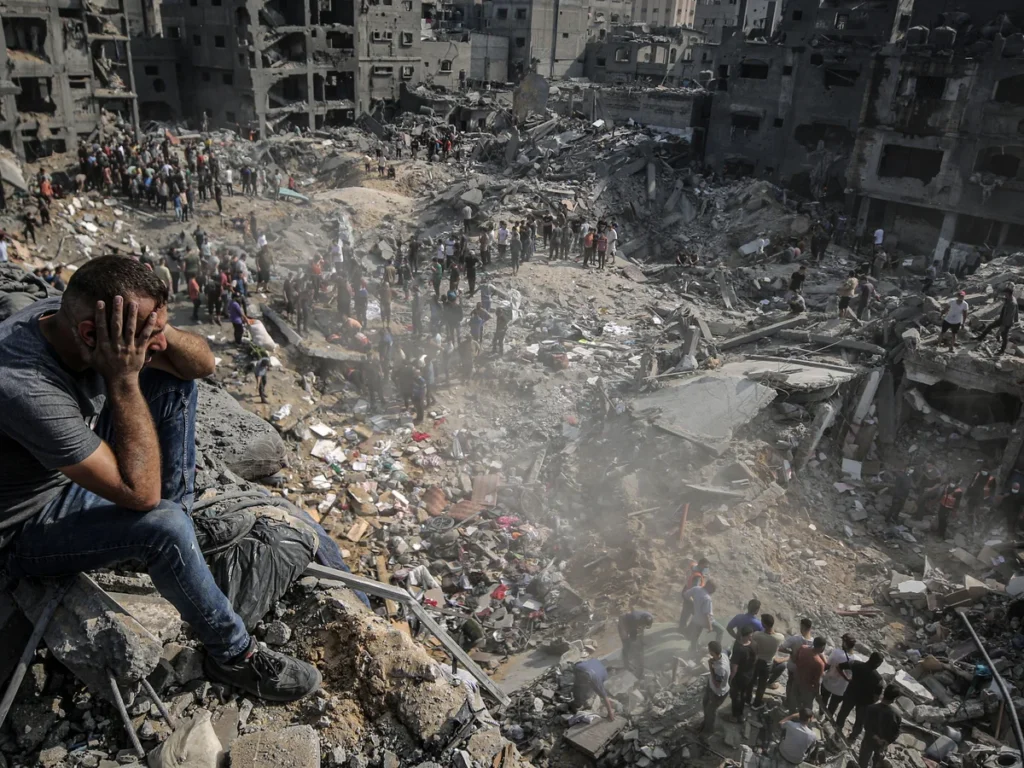
The dialysis crisis reflects the broader collapse of Gaza’s healthcare system after nearly three years of war and blockade. Hospitals continue to face critical shortages of medicines, medical consumables, fuel, and spare parts, severely limiting their ability to provide essential healthcare services, particularly for patients with chronic illnesses.
Since October 2023, Israel’s military campaign has devastated Gaza’s healthcare infrastructure, leaving hospitals operating under extreme conditions while struggling to meet overwhelming medical needs. Although a ceasefire was announced in October 2025, Israeli military attacks have continued, while restrictions on the entry of humanitarian aid, medicines, medical equipment, shelter materials, and essential supplies have remained in place.
The ongoing blockade has deepened Gaza’s humanitarian catastrophe, leaving approximately 2.4 million Palestinians—including around 1.5 million displaced people- facing worsening shortages of healthcare, food, clean water, and other necessities, while patients with chronic diseases confront an increasingly uncertain struggle for survival.