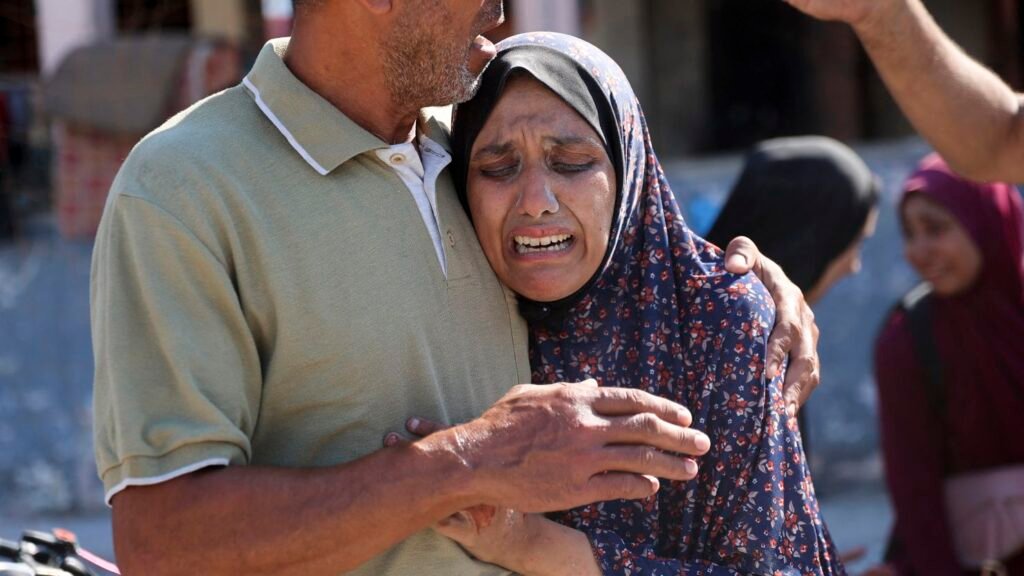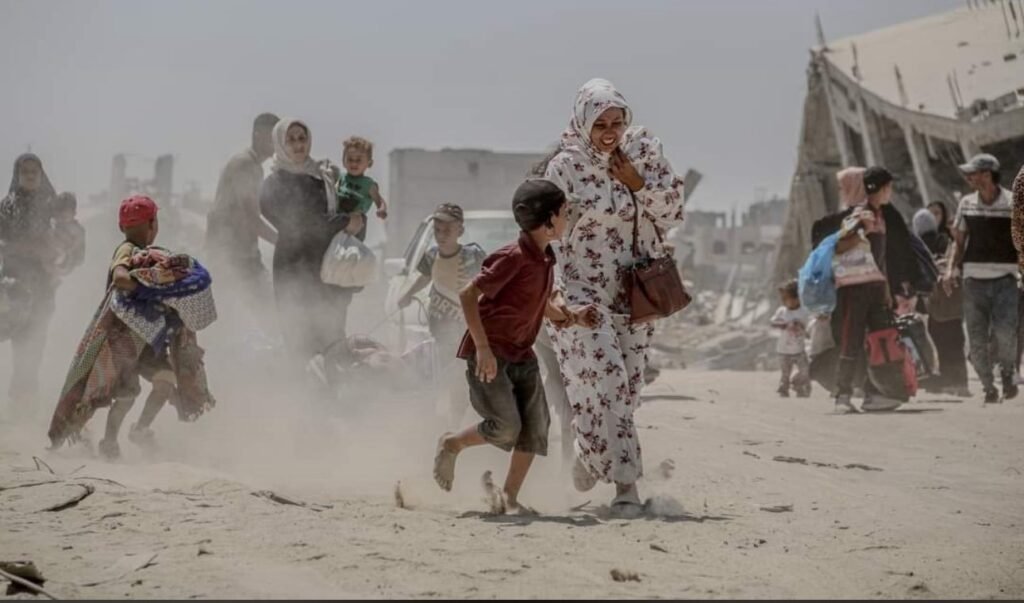
Gaza Herald– The war and repeated displacement have transformed one of the most cherished aspects of Palestinian life, family visits, into a difficult and exhausting undertaking. Across Gaza’s displacement camps, maintaining family connections now requires navigating long distances, limited transportation, financial hardship, and the severe lack of privacy that defines daily life in overcrowded tent communities.
Family Connections Under Pressure
In the crowded camps, tents stand side by side with little separation between families. Living spaces serve simultaneously as kitchens, bedrooms, and reception areas, leaving almost no room for privacy. Conversations can easily be overheard, making personal discussions difficult and often discouraging visits altogether.
For many displaced families, gatherings that once brought comfort and warmth have become complicated events requiring extensive planning and sacrifice. The simple act of visiting relatives now involves questions about transportation, available space, and whether the journey itself is physically possible.
Life Inside the Camps
Displaced mother Iman Abu Al-Lail says camp life has fundamentally changed how families interact. In her tent, cooking utensils, sleeping areas, and personal belongings all occupy the same small space. Guests are welcomed into an environment where every aspect of daily life is visible.
Before the war, family visits provided opportunities for comfort, conversation, and emotional support. Today, she says, visitors sit among the realities of displacement, crowded conditions, children, household chores, and the constant presence of neighboring families.
The lack of privacy has reduced the frequency of visits, even between close relatives. Traveling to see family members often requires long and exhausting journeys, while hosting them has become increasingly difficult due to limited space.
The High Cost of a Single Visit
For elderly Palestinians, maintaining family ties has become even more challenging. Seventy-five-year-old Abdul Qader Abu Ouda recently undertook a difficult journey to visit his mother and daughters living in southern Gaza.
His trip involved hours of walking, waiting for transportation, and traveling in overcrowded vehicles along damaged roads. Mechanical breakdowns and long delays extended the journey even further, turning what was once a routine family visit into a physically draining experience.
By the time he arrived, exhaustion had already taken its toll. Determined to make the most of the trip, he remained in the south for several days, visiting multiple family members before making the difficult return journey. He says the physical effects of such trips can linger for weeks.
Longing Delayed by Age and Hardship
For many older residents, even short visits have become nearly impossible. Radia Abu Ouda has been unable to see her children and grandchildren for months due to health problems, transportation difficulties, and financial pressures.
A recent trip to seek medical treatment revealed just how difficult family visits have become. After spending hours searching for transportation and walking long distances, she returned home more exhausted than when she left.
She describes family visits as a postponed dream, something she deeply wishes for but can rarely achieve under current conditions.
Balancing Work and Family
The challenges extend beyond the elderly. University lecturer Maher Awad has been forced to combine family visits with work obligations to avoid making additional journeys.
Like many displaced professionals, he carefully organizes his schedule to maximize every trip outside his temporary shelter. Visits to relatives and friends are often squeezed into workdays because dedicating a separate day to social visits has become too physically and financially demanding.
Preserving Family Bonds Amid Displacement
Despite the immense obstacles, families across Gaza continue to search for ways to maintain relationships and preserve a sense of normalcy. Phone calls replace many face-to-face meetings, while brief visits are treasured as rare opportunities to reconnect.
What was once a routine part of everyday life has become a struggle requiring endurance, planning, and sacrifice. Yet even amid displacement, overcrowding, and hardship, Gazans continue to hold onto the family ties that have long been at the heart of their social fabric, refusing to let war sever the bonds that connect them.