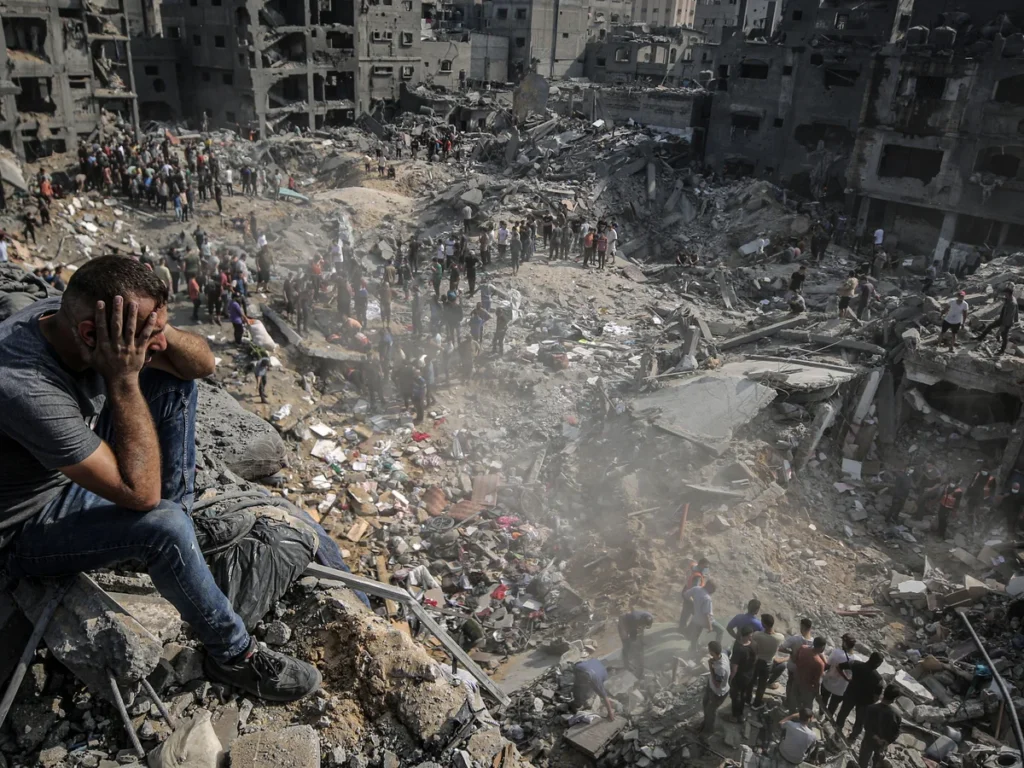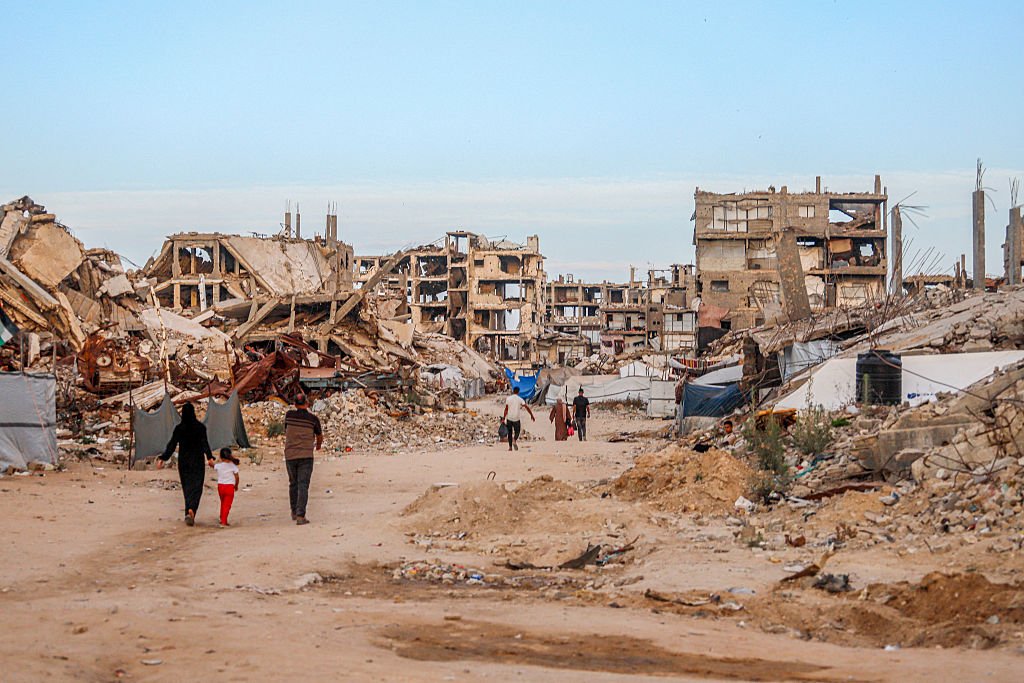
Gaza Herald _Local authorities in Gaza have issued urgent warnings of an impending humanitarian, environmental, and public health disaster as essential municipal services across the Strip approach collapse amid severe shortages of fuel, maintenance supplies, and operational equipment.
The Union of Gaza Strip Municipalities stated that critical sectors, including water distribution, sewage treatment, and solid waste management, are experiencing increasing strain due to ongoing restrictions on the entry of industrial lubricants, diesel fuel, spare parts, pumps, tires, and other materials required to maintain vital infrastructure.
According to the union, the shortage of industrial oils poses one of the most immediate threats to service continuity. These oils are indispensable for operating generators, water wells, sewage pumping stations, and municipal vehicles. Officials warned that without them, many facilities could cease functioning entirely, even if limited quantities of diesel remain available.
Municipal authorities and water utilities currently manage dozens of water wells and pumping stations that collectively supply more than 140,000 cubic meters of water each day for household and drinking purposes. At the same time, approximately 60,000 cubic meters of wastewater are discharged daily into the sea to prevent sewage from overflowing into densely populated neighborhoods.
Waste collection services are also under mounting pressure. Municipal teams remove more than 3,000 cubic meters of waste every day throughout Gaza, but officials caution that ongoing shortages of fuel and mechanical parts could soon force collection operations to stop altogether.
Should waste management services collapse, large amounts of garbage could accumulate in residential districts and displacement shelters, creating fertile conditions for the spread of infectious diseases, epidemics, insects, and rodents. Municipal leaders warn that such a scenario would significantly worsen living conditions for Gaza’s population and pose a serious threat to public health.
The union stressed that the potential breakdown of municipal infrastructure would affect every aspect of civilian life and place more than two million Palestinians at increased risk. It held Israeli authorities fully responsible for the deteriorating situation and for the humanitarian and environmental consequences resulting from restrictions on essential supplies.
In its statement, the union emphasized that time is rapidly running out, warning that any further delays in allowing operational materials into Gaza could trigger a large-scale humanitarian emergency with long-lasting repercussions.
The warning comes as Gaza continues to grapple with the consequences of nearly two years of war, which Palestinian officials say has resulted in the deaths of almost 73,000 Palestinians and injuries to more than 173,000 others, the majority of them women and children.
Municipal officials also pointed to ongoing obstacles affecting humanitarian relief efforts, arguing that key provisions related to aid delivery and civilian needs remain unmet. They noted that shortages of food, medicine, medical equipment, shelter supplies, and temporary housing continue to compound the suffering of Gaza’s residents.
With approximately 2.4 million people living across the territory, including an estimated 1.5 million displaced individuals, local authorities warn that the collapse of essential services would deepen an already catastrophic humanitarian situation, leaving communities without reliable access to clean water, sanitation, and basic public services needed for survival.