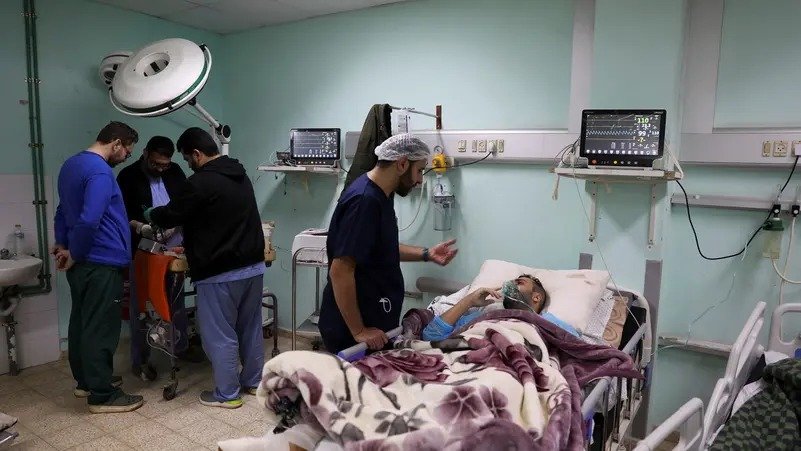
Gaza Herald – For the past month, Bahaa Shaat has rarely left his bed. Exhaustion and limited mobility now define his days as he anxiously monitors his weakening heartbeat, waiting for a pacemaker that could restore some stability to his deteriorating condition. Yet the life-saving device is unavailable anywhere in the Gaza Strip, and with each passing day, his health continues to decline.
Critical Shortage of Heart Medications
Shaat’s suffering does not end with the absence of a pacemaker. Severe shortages of essential cardiac medications have dramatically increased the risks facing patients who rely on daily treatment to regulate heart rhythm, control blood pressure, and prevent life-threatening complications.
Ashraf Huweila faces a similarly painful ordeal. He urgently requires a cardiac catheterization procedure, but his medical needs collide with a healthcare system pushed to the brink of collapse. Most specialized cardiac centers have ceased providing such interventions due to extensive damage to healthcare facilities and acute shortages of medical equipment and supplies.
A Crisis Beyond Bombardment
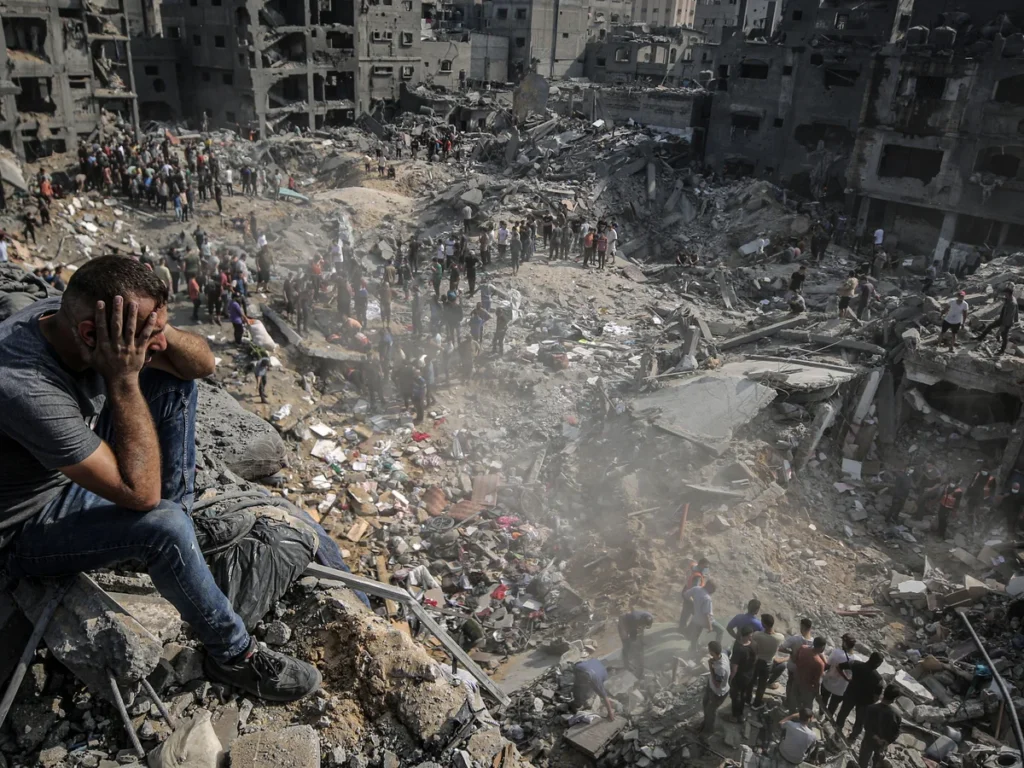
Inside hospitals exhausted by months of war, delayed or interrupted treatment has become the difference between life and death.
With more than half of Gaza’s essential medicines now depleted from central warehouses, the crisis no longer affects only chronic disease patients who require regular medication. It has expanded to include emergency cases such as heart attacks, severe arrhythmias, and coronary artery disease, conditions that cannot withstand prolonged delays in treatment.
The Silent Killer
According to Gaza’s Ministry of Health, cardiovascular diseases account for more than 56% of deaths in the territory. At the same time, five specialized cardiac centers have stopped operating, open-heart surgeries have been suspended, and cardiac catheterization tools and stents have become nearly impossible to obtain.
Dr. Majed Shannat, a cardiology consultant at Al-Quds Hospital, described the situation facing heart patients as extremely dangerous. He explained that Gaza already suffered from shortages of cardiac medical supplies before the war, but the crisis has worsened dramatically following damage to healthcare facilities and the continued military assault.
Shannat noted that the remaining capacity is extremely limited, with medical teams able to handle only four or five cardiac cases per day, a fraction of what is needed for the thousands of patients requiring urgent treatment and ongoing care.
Collapse of Specialized Healthcare Services
For his part, Gaza Ministry of Health Director-General Dr. Munir Al-Bursh said that attacks on healthcare infrastructure and medical personnel have systematically dismantled the healthcare system and erased years of accumulated medical expertise.
Before the war, Gaza’s hospitals performed approximately 6,600 cardiac catheterization procedures annually. During the war, however, no open-heart surgeries have been carried out, except for a small number performed by visiting foreign medical teams.
Al-Bursh added that the loss of specialized medical staff through killing, injury, or displacement has severely undermined healthcare services.
He stressed the urgent need for cardiac stents, surgical equipment, and the return of specialized medical professionals who have left the territory. He also warned that approximately 51% of essential medications are currently unavailable, while supplies specific to cardiovascular diseases have nearly disappeared entirely, raising fears of increasing deaths from silent death.
A Lifeline Under Threat
The crisis extends beyond medication and surgery to one of the most fundamental pillars of modern healthcare: oxygen.
Hospitals struggling to save lives are facing growing risks due to the destruction of most oxygen production facilities and restrictions on the entry of spare parts needed for maintenance. This threatens the continuity of oxygen supplies to intensive care units and operating rooms.
Medical sources warn that heart patients would be among the most severely affected if oxygen supplies are disrupted, particularly those requiring respiratory support during heart attacks, acute heart failure episodes, or post-operative recovery.
According to the Ministry of Health, Gaza had 34 oxygen production stations before the war. Of those, 22 have been destroyed, while the remaining 12 operate at limited capacity, far below what hospitals require to meet growing medical needs.
For thousands of heart patients across Gaza, the absence of medicine, equipment, specialists, and oxygen has transformed treatable conditions into life-threatening emergencies, leaving many trapped in a daily struggle for survival as the healthcare system continues to unravel.