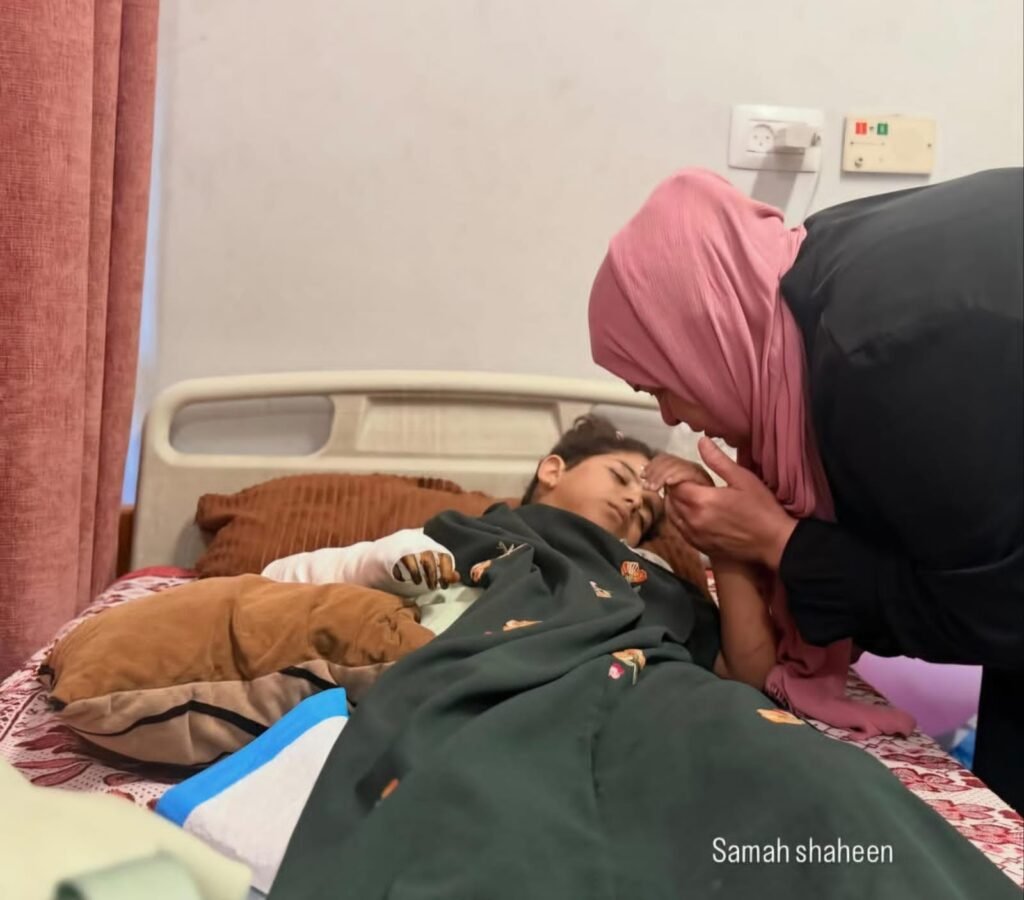
Gaza Herald _More than 16,500 Palestinians in Gaza who require urgent medical treatment outside the territory remain unable to leave due to Israeli restrictions, according to Gaza’s Ministry of Health, which says the continued limitations on medical travel are placing thousands of lives at risk despite the ceasefire that came into effect in October 2025.
In a statement issued Tuesday, the ministry accused Israel of effectively condemning patients to death through prolonged delays and restrictions on medical evacuations. Health officials said the crisis comes after nearly two years of war that have left Gaza’s healthcare system devastated and unable to meet the needs of thousands of critically ill and wounded patients.
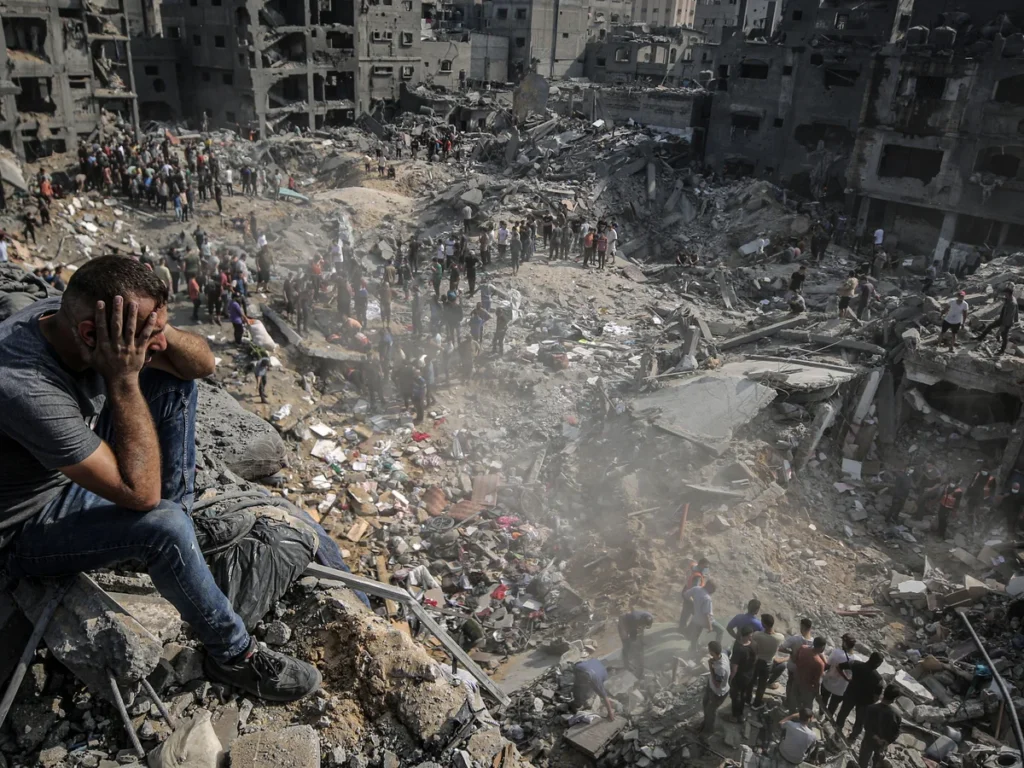
The situation has drawn renewed attention to the collapse of Gaza’s medical sector, which United Nations experts and humanitarian organizations have repeatedly described as the result of systematic destruction that has severely undermined the territory’s ability to provide healthcare services.
According to Palestinian health authorities, Israel continues to tightly control and limit the movement of patients seeking treatment abroad. Although the Rafah crossing between Gaza and Egypt partially reopened in early February after remaining closed for nearly two years, its operation has remained inconsistent, with repeated closures disrupting patient travel.
Maher Shamia, Acting Undersecretary of Gaza’s Ministry of Health, said authorities currently permit departures through Rafah only three days each week, while medical evacuations through the Karem Abu Salem crossing are restricted to a single day weekly.
“The occupation bears full responsibility for this crisis because of its continued restrictions on the Rafah crossing, which remains the primary route through which patients can access treatment outside Gaza,” Shamia said.
He called on international human rights organizations and humanitarian institutions to intensify pressure on Israel to ensure that Palestinian patients can travel freely for treatment and return to Gaza without obstruction.
Shamia emphasized that many of the patients currently seeking treatment abroad could receive adequate care inside Gaza if the territory’s healthcare system were restored and equipped to function properly.
“A large percentage of patients could be treated within Gaza if the health sector, which has suffered systematic destruction, were rehabilitated and rebuilt,” he said.
Healthcare Crisis Deepens
The medical emergency is unfolding amid a broader humanitarian catastrophe across Gaza. Nearly 90 percent of the population remains displaced, while food insecurity continues to affect the overwhelming majority of residents.
On Tuesday, United Nations Secretary-General António Guterres renewed calls for Israel to reopen all Gaza crossings and allow unrestricted humanitarian access to the territory.
“I am deeply concerned by Israel’s decision to keep crossings closed and reiterate my call for the immediate reopening of all crossings to ensure the rapid, safe, and unhindered delivery of humanitarian assistance throughout Gaza,” Guterres said.
Humanitarian agencies have repeatedly warned that restrictions on aid deliveries, combined with the collapse of healthcare services, continue to worsen living conditions for Gaza’s population.
Enormous Reconstruction Needs
In April, the United Nations and the European Union warned that Gaza’s human development indicators had been pushed back by approximately 77 years as a result of the destruction caused by the war.
The assessment estimated that more than $71 billion will be required to rebuild and recover the territory. According to the report, entire sectors have suffered extensive damage, including housing, healthcare, education, agriculture, commerce, and public infrastructure.
The joint evaluation concluded that more than $26 billion would be needed during the first 18 months alone to restore basic services, repair essential infrastructure, and support economic recovery efforts.
Ceasefire Violations and Stalled Negotiations
Although a ceasefire officially took effect in October 2025, Israeli attacks across Gaza have continued on an almost daily basis, while human rights organizations have accused Israel of restricting the flow of humanitarian assistance into the territory.
Under the ceasefire agreement reached between Israel and Hamas through mediation by the United States and regional actors, approximately 600 aid trucks are supposed to enter Gaza each day.
Israel maintains that it is facilitating the agreed-upon volume of aid deliveries. Hamas, however, disputes that claim and accuses Israel of deliberately obstructing the entry and distribution of essential humanitarian supplies.
Meanwhile, negotiations aimed at advancing a broader political settlement remain deadlocked. Key disputes continue to center on issues such as the future of Hamas’s weapons, Israeli military withdrawal from Gaza, reconstruction efforts, and long-term security arrangements.
Last week, Husam Badran stated that Hamas would not surrender its weapons at this stage, emphasizing that any decision regarding the movement’s military capabilities would be addressed through comprehensive discussions involving other Palestinian factions.
A new round of negotiations began in Egypt on Sunday, with Hamas insisting that Israeli military operations in Gaza must cease entirely before meaningful progress can be achieved in the talks.