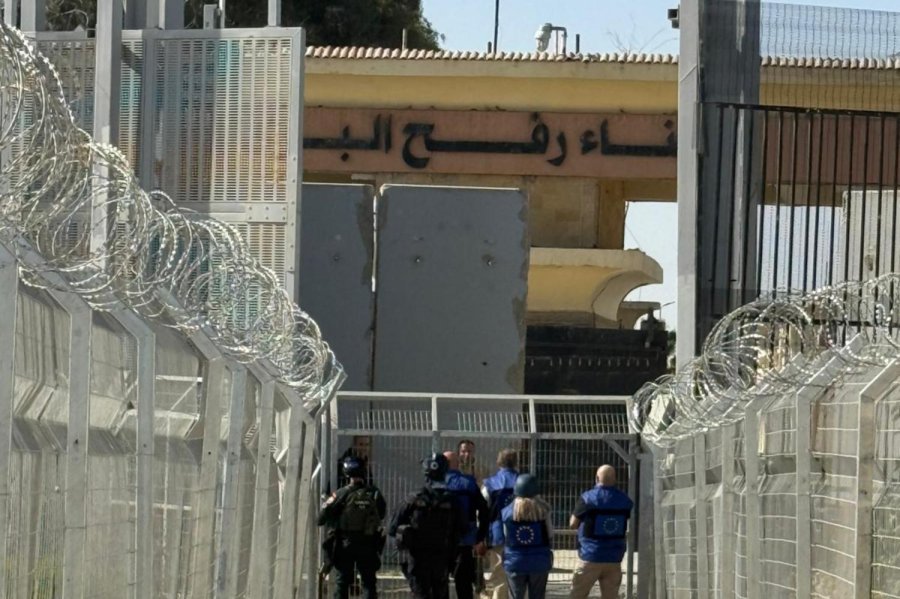
Gaza Herald – Palestinians returning to the Gaza Strip through the Rafah border crossing are reporting a series of stringent security procedures and intensive inspections that have turned their journey home into another ordeal.
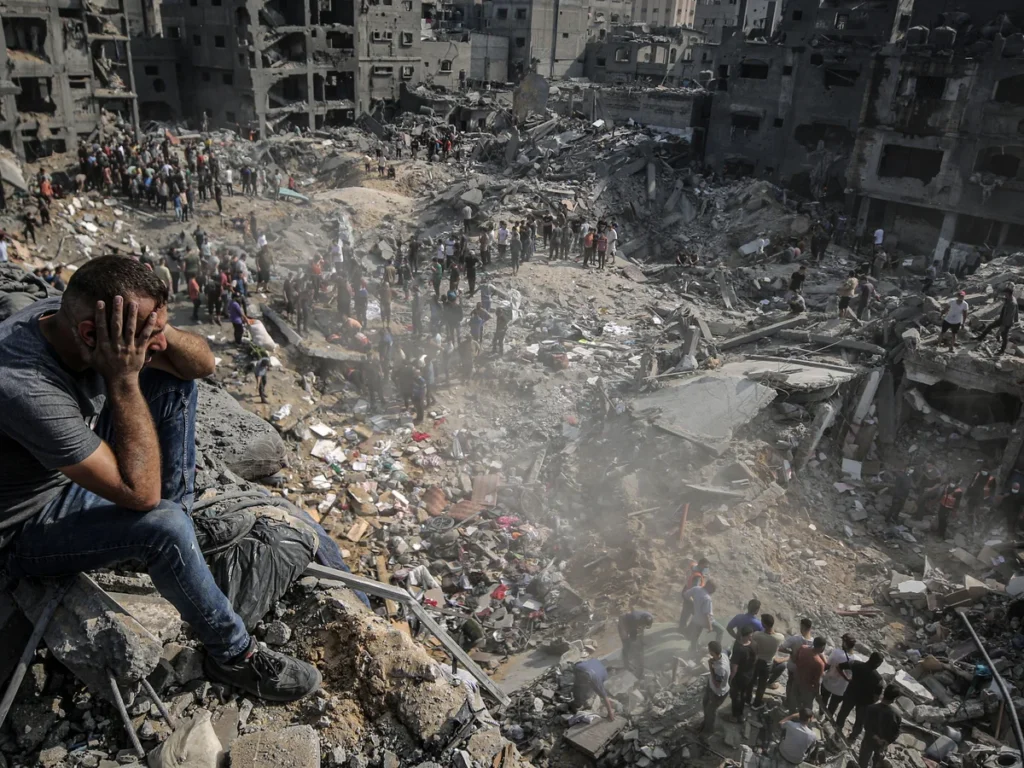
For many, the hardships of displacement, illness, and treatment abroad do not end at the border. Instead, they face a process marked by meticulous searches, confiscation of personal belongings, and the loss of essential items, deepening the suffering of those already burdened by war and displacement.
One particularly distressing account came from Umm Mohammed, whose husband is battling cancer. She explained that she carefully packed a dose of chemotherapy medication in a thermal container to preserve it during travel. However, after passing through multiple inspection stages overseen by various authorities, including international and Israeli personnel, the medication disappeared. For a family already struggling against a life-threatening illness, the loss of the treatment represented a devastating setback, especially given the severe shortage of medical supplies inside Gaza.
Strict restrictions on personal belongings have created additional challenges for returning travelers. Under current regulations, individuals are generally prohibited from bringing more than one mobile phone into the territory. Umm Jihad, who returned with her injured son, described how she was forced to seek special arrangements in an attempt to bring phones she had purchased for her family. She said inspectors appeared to know exactly how many devices she was carrying before she even reached the final checkpoint, highlighting the extensive level of surveillance imposed on travelers.
For many families, the pain extends beyond the loss of personal possessions. The disappearance of vital medical supplies can have life-altering consequences. As one traveler noted, losing a piece of luggage is difficult, but losing medication needed by a cancer patient fighting for survival is a tragedy of a different magnitude.
The hardships do not end with medicines and electronic devices. Travelers also report the confiscation and destruction of goods deemed prohibited or intended for commercial use. Shaimaa Yahya, who accompanied her sister after the latter underwent an amputation, recounted how authorities confiscated quantities of tobacco she was carrying and destroyed them in industrial furnaces located within the inspection area. Watching her belongings burned in front of her, she said, was both shocking and humiliating, particularly as her family continues to cope with serious health challenges.
These testimonies paint a stark picture of the reality facing Palestinians attempting to return home through Rafah. What should be a passage back to family and familiarity often becomes another stage of hardship, where administrative and security measures add to the burdens of the wounded, the sick, and the displaced. For many, the crossing has become not merely a border checkpoint, but yet another source of exhaustion in the midst of an ongoing humanitarian crisis shaped by war, restrictions, and uncertainty.