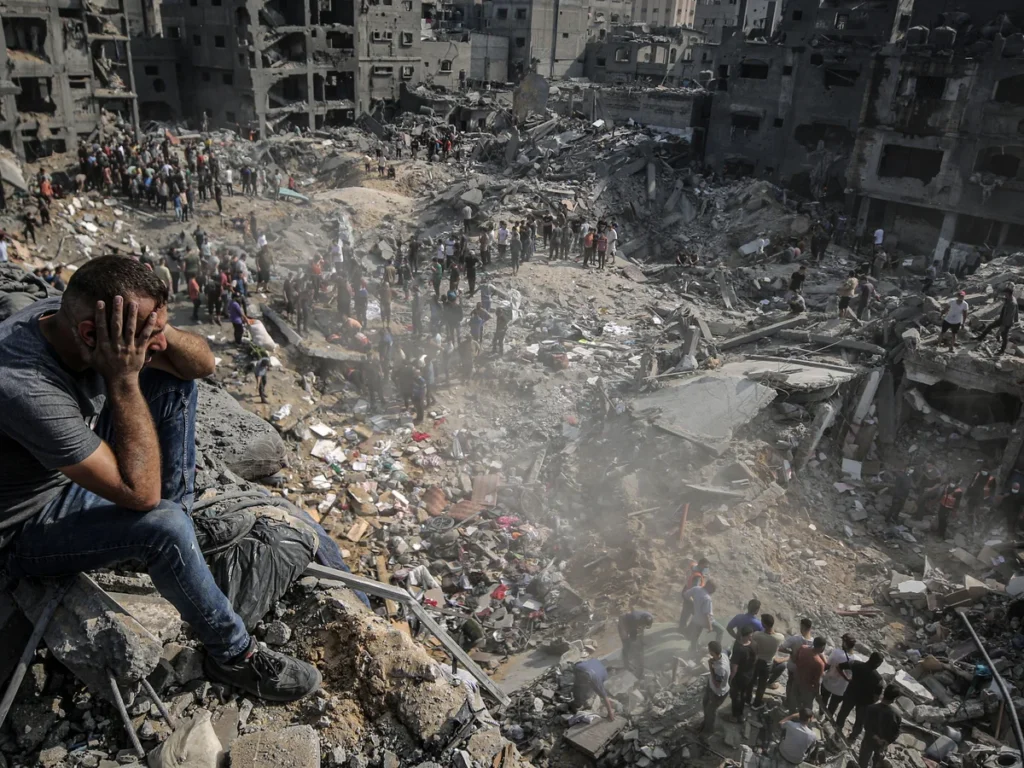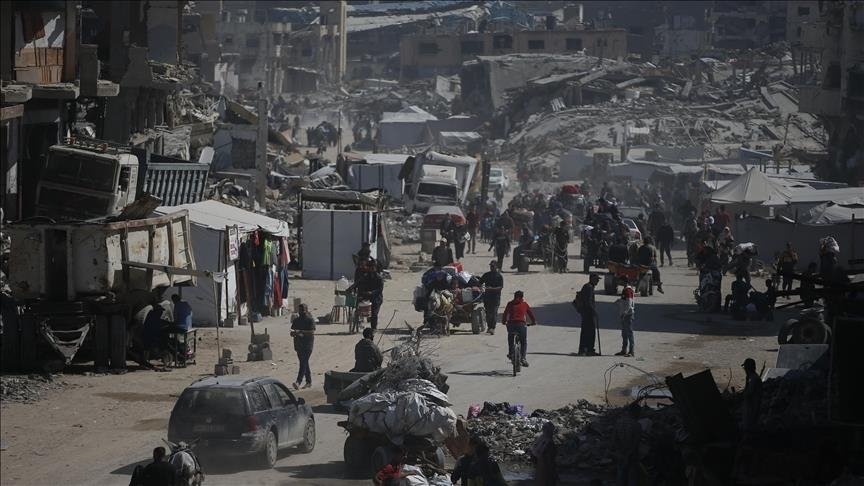
Gaza Herald – As Muslims worldwide prepare to depart for Mecca for the annual Hajj pilgrimage, Palestinians in the besieged Gaza Strip are once again cut off from one of Islam’s five pillars, with border closures and movement restrictions making the sacred journey out of reach.
Despite the partial reopening of the Rafah crossing, Israel continues to maintain tight control over movement, effectively blocking or severely limiting the ability of Gazans to travel for Hajj, which requires passage through Egypt before reaching Saudi Arabia.
For many in Gaza, Hajj is no longer just a costly spiritual journey; it has become an unattainable dream, repeatedly postponed by war, siege, and displacement.
“We are forced to watch from afar,” the Gazzans say, which describes how Palestinians experience the pilgrimage as something visible only through screens while physical access remains sealed by closed borders and ongoing restrictions.
A dream postponed by war and blockade
Under normal circumstances, performing Hajj requires years of saving, complex travel arrangements, and coordination through official pilgrimage services. In Gaza, however, these plans have been shattered by years of conflict and economic collapse.
Many residents who had already registered or saved money for Hajj were forced to redirect their savings toward survival needs, including food and emergency displacement costs, after repeated Israeli bombardment.
One woman from Gaza, who had been approved for Hajj, reportedly said she spent years saving for the journey before the war forced her to use the money to survive.
Spiritual loss amid humanitarian collapse
Beyond the financial burden, the report highlights a deeper spiritual and emotional toll. Hajj is described as a journey of renewal, healing, and devotion, one that many Palestinians in Gaza say they need more than ever amid years of trauma, destruction, and loss.
The war has also disrupted religious life more broadly, including the inability of many families in Gaza to carry out Eid al-Adha rituals such as animal sacrifice due to shortages and restrictions on goods entering the territory.
Aging pilgrims and fading hopes
As years pass under blockade and conflict, many elderly Palestinians who once dreamed of performing Hajj are now physically unable to travel due to age or health conditions.
Others continue to hold onto hope, saving small amounts of money in anticipation of a future opportunity that may never come.
For many in Gaza, Hajj has become more than a religious duty deferred; it has turned into a symbol of isolation, where even the most sacred journeys are shaped by war, borders, and restricted movement.
The report concludes that Palestinians in Gaza are not only deprived of basic necessities such as food, medicine, and safety but also of spiritual experiences that offer dignity, emotional healing, and a sense of connection to the wider Muslim world.