
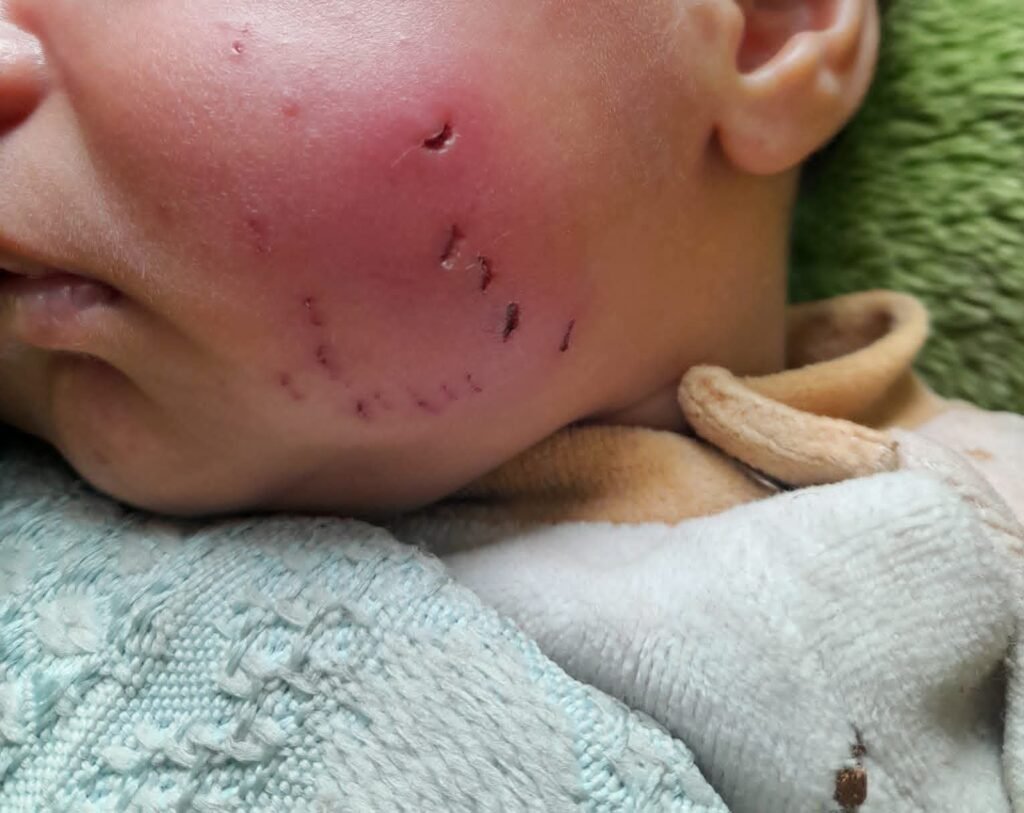
Gaza Herald – The World Health Organization has reported more than 17,000 infection cases among displaced Palestinians in the Gaza Strip linked to rodents and external parasites since the beginning of the year, amid worsening health and humanitarian conditions.
In a statement, the organization said that the “desperate and dangerous conditions in Gaza continue to hinder recovery efforts,” noting a sharp rise in infections among families while the healthcare system faces severe shortages of supplies and essential tools.
The WHO estimated that damage to the health sector alone has reached approximately $1.4 billion. More than 1,800 health facilities have been partially or completely destroyed, including major hospitals such as Al-Shifa Hospital, as well as primary healthcare centers, clinics, pharmacies, and laboratories.
Despite the ceasefire agreement that came into effect on October 10, 2025, after two years of genocide, living and health conditions remain dire for 2.4 million Palestinians in Gaza, including 1.4 million displaced persons, due to ongoing restrictions on aid, medical supplies, and shelter materials.
According to WHO observations, over 80% of displacement sites have reported skin-related illnesses such as scabies, lice, and bedbug infestations, driven by deteriorating living conditions and overcrowding.
The organization stressed the urgent need to allow the entry of laboratory equipment and medical supplies to better identify and control disease outbreaks, warning that restrictions continue to block these critical resources.
WHO representative Reinheld van de Weerdt described the devastation in Gaza as overwhelming, stating that “nothing can prepare you for the scale of destruction,” and that witnessing the ruins firsthand presents a far harsher reality than reports alone can convey.
Separately, Julius Dirk van der Walt, head of the UN Mine Action Service in the occupied Palestinian territory, warned of the ongoing danger posed by unexploded ordnance embedded in the rubble across Gaza. He said the scale of contamination remains largely unknown and continues to obstruct recovery efforts and the return of displaced civilians.
He added that dealing with these hazards constitutes a “daily emergency” requiring an estimated $541 million in funding, while operations remain dependent on access permissions and specialized equipment.
Since October 2023, Gaza has been subjected to massive bombardment, with more than 200,000 tons of explosives reportedly used, contributing to widespread destruction and a deepening humanitarian crisis.

