Gaza Herald – Since the ceasefire in Gaza took effect on October 10, 2025, Israeli occupation forces have carried out repeated violations, with near-daily attacks reported across the Strip.
According to data from Gaza’s Government Media Office, there have been at least 2,073 ceasefire violations between October 10, 2025, and March 18, 2026. These violations include airstrikes, artillery shelling, and direct gunfire.
The breakdown of these incidents highlights the scale of military activity: approximately 973 cases involved bombing and shelling, 750 incidents included shootings targeting civilians, 263 cases involved the demolition of homes and infrastructure, and 87 incursions were recorded beyond the so-called “yellow line.” In addition, around 50 Palestinians were reportedly detained during this period.
An analysis indicates that attacks occurred on 152 out of 174 days following the ceasefire, meaning that only 22 days passed without reported attacks, casualties, or injuries. This pattern suggests that hostilities have largely continued despite the formal agreement.
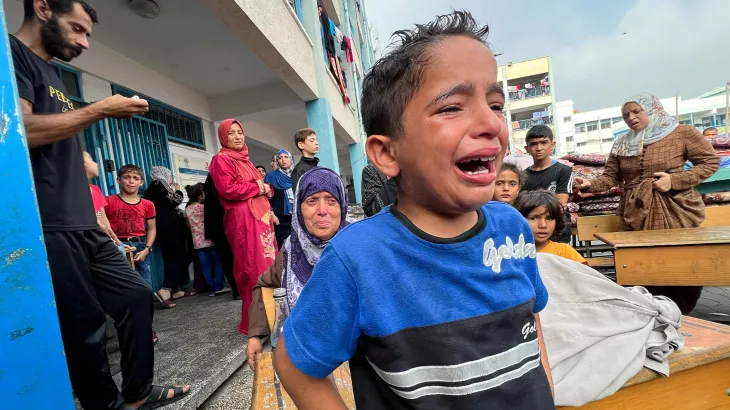
In terms of human impact, at least 713 Palestinians have been killed and around 1,940 injured since the ceasefire began, according to the Palestinian Ministry of Health. Some of the deadliest days occurred in October 2025, including October 19 and October 29, when large-scale air raids resulted in significant casualties, including children.
The ceasefire agreement, which was proposed in late September 2025 and mediated by countries including Egypt, Qatar, and Türkiye, outlined several key conditions. These included a halt to hostilities, the full entry of humanitarian aid, the release of captives, and the withdrawal of Israeli occupation forces to designated positions. However, implementation on the ground has remained incomplete.
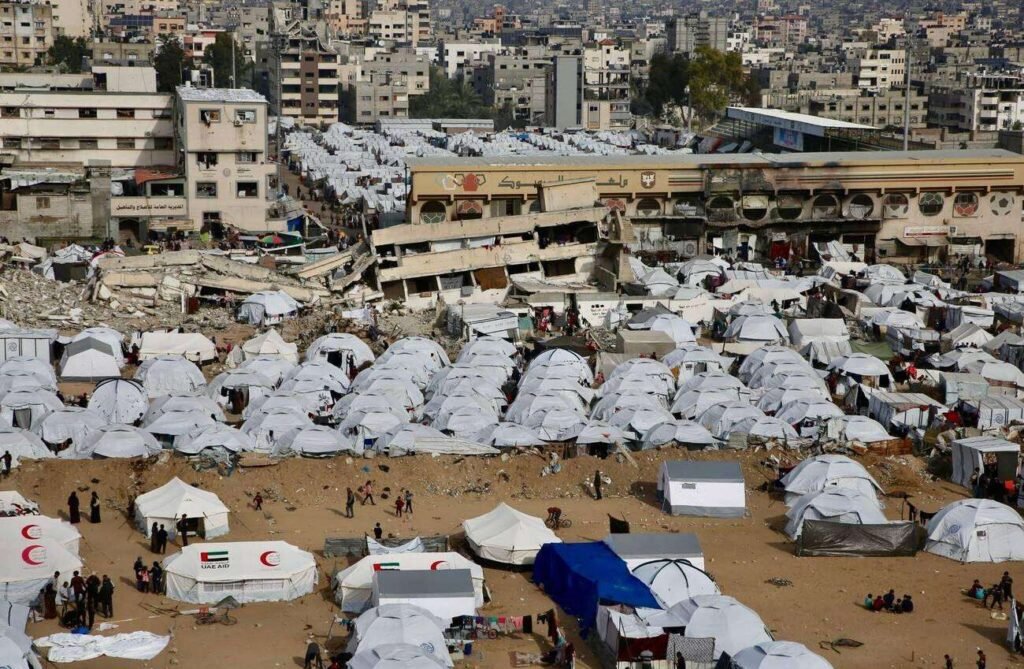
Humanitarian provisions of the agreement have also faced major obstacles. While the deal stipulated the immediate and full entry of aid into Gaza, only about 40% of the planned aid trucks were allowed in between October 2025 and March 2026. Reports indicate that restrictions and delays have significantly limited access to essential goods, including food and medical supplies.
Overall, despite the formal ceasefire framework, the situation in Gaza continues to reflect ongoing Israeli attacks, restricted humanitarian access, and a sustained toll on civilians.