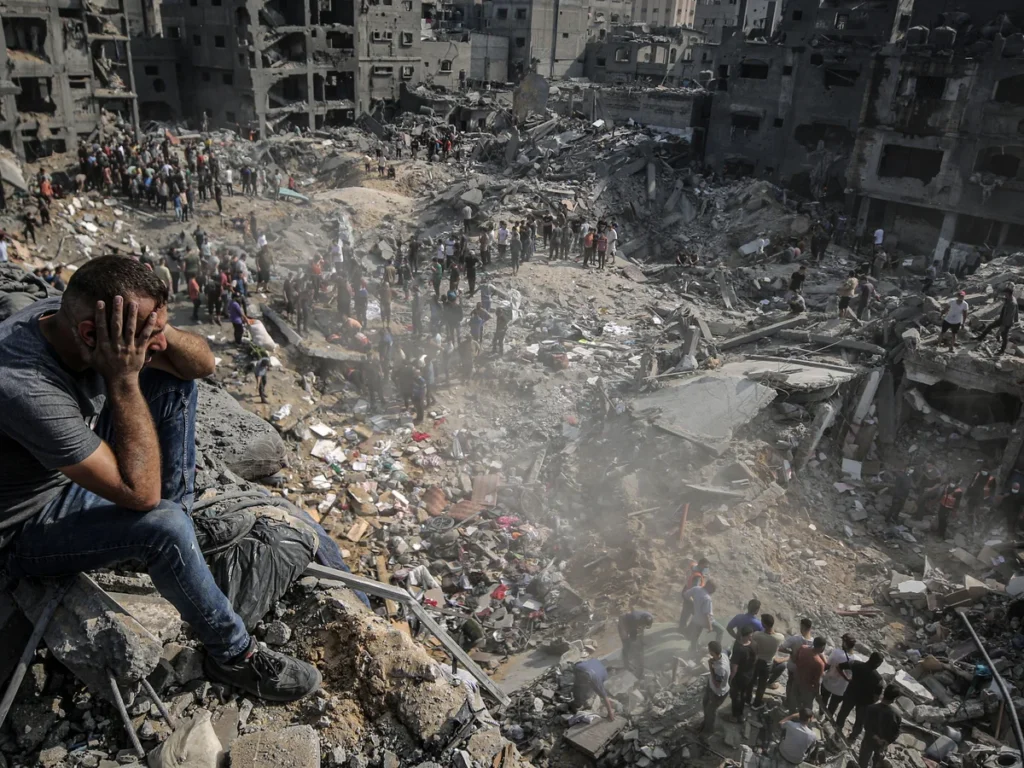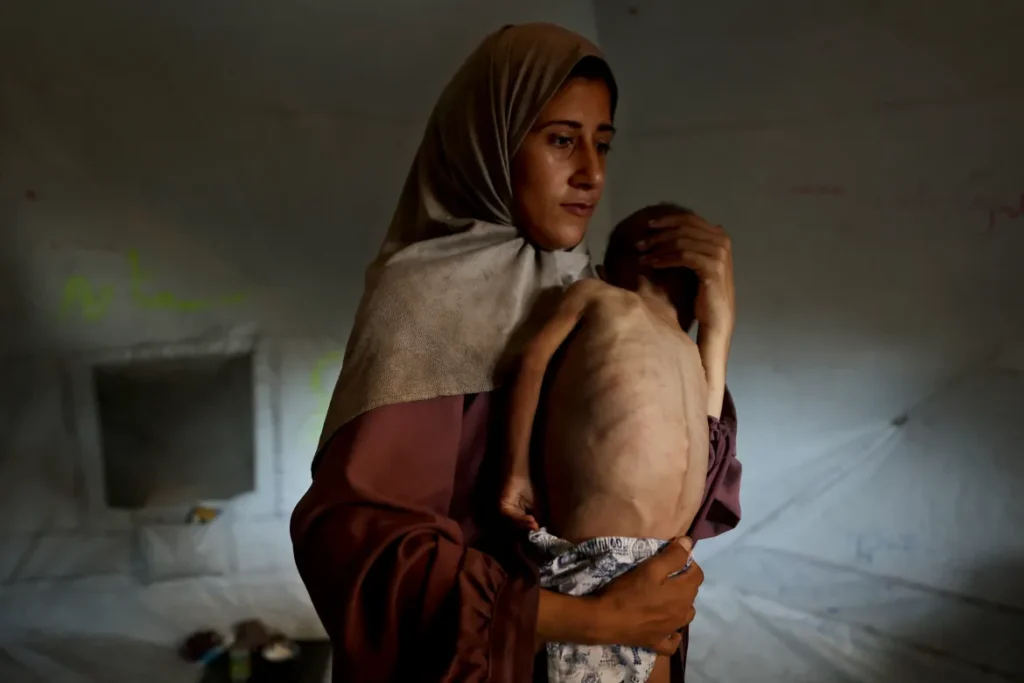
Gaza Herald- Although the war in Gaza formally ended in October 2025, the humanitarian consequences continue to affect much of the population. At least 1.6 million people, around 77 percent of Gaza’s residents, still face severe levels of acute food insecurity, putting vulnerable groups such as children, pregnant women, and nursing mothers at risk of long-term health problems caused by prolonged malnutrition.
Since the outbreak of the war on October 7, 2023, Israel has imposed strict restrictions on the entry of humanitarian food supplies into the enclave. International organizations have repeatedly warned that these conditions pushed Gaza into famine-like circumstances.
Prolonged Malnutrition
According to a UNICEF report released in August 2025, at least 317 deaths linked to malnutrition have been recorded since the start of the war, including 119 children. The report also documented more than 100,000 children and 37,000 pregnant or breastfeeding women suffering from acute malnutrition, with projections suggesting the crisis could persist until at least April of the following year.
Health assessments indicate that one in five children under the age of five in Gaza is affected by acute malnutrition, according to data from nutrition partners working with the World Health Organization (WHO). UN statistics also show that more than 40 percent of pregnant and breastfeeding women are experiencing severe nutritional deficiencies.
The WHO has warned that chronic malnutrition is linked to a range of non-communicable diseases, including cardiovascular illnesses such as heart attacks and strokes, as well as diabetes and certain cancers. In a statement published in March 2024, the organization emphasized that unhealthy diets and malnutrition remain among the leading global risk factors for these conditions.
Impact on Children
Despite the end of the fighting, nutrient-rich foods, particularly protein, remain scarce and expensive in Gaza. As a result, about 79 percent of households cannot afford sufficient food or access safe drinking water. Reports also indicate that no child currently meets the minimum dietary diversity recommended for healthy growth, while two-thirds of children suffer from severe food poverty, consuming food from only one or two food groups.
Studies have highlighted the long-term consequences of childhood malnutrition. Research published by the US National Library of Medicine found that children who survive severe malnutrition are less likely to achieve higher levels of education or demonstrate strong academic performance. The study also found lower cognitive test scores and reduced self-confidence compared with healthier peers.
Another study published in the medical journal The Lancet in April 2024 examined adolescents who experienced malnutrition earlier in life. Researchers found that these individuals showed persistently lower height-for-age growth indicators and higher rates of behavioral and psychological disorders.
Conditions associated with malnutrition, including wasting, stunting, underweight status, and vitamin and mineral deficiencies, also make children more vulnerable to illness and increase the risk of death.
Pregnancy and Birth at Risk
The effects of malnutrition in Gaza extend even to unborn children, as high levels of nutritional deficiency among mothers impact fetal development.
In December 2025, UNICEF spokesperson Tess Ingram warned that the situation is having devastating consequences for thousands of newborns, noting that infants born with low birth weight face a risk of death up to 20 times higher than babies born at a healthy weight.
A University of Cambridge study published in December 2025 also examined the long-term effects of nutrition before and during pregnancy. The research found a clear link between low birth weight caused by maternal malnutrition and an increased risk of chronic diseases later in life, including cardiovascular disease and chronic respiratory conditions. Poor maternal nutrition was also associated with biological changes that increase the risk of childhood obesity.
The study further showed that restricted fetal growth is connected to higher risks of several non-communicable diseases in adulthood, including type 2 diabetes, metabolic syndrome, osteoporosis, muscle loss, and coronary heart disease, as well as negative childhood outcomes such as stunted growth and reduced cognitive development.
Challenges for Mothers and Infants
According to the United Nations Population Fund (UNFPA), malnutrition and psychological stress are preventing three-quarters of new mothers from breastfeeding, while infant formula remains largely unavailable.
UNICEF and the WHO emphasize that in emergency settings, breast milk plays a vital role in protecting infants from disease and death, providing a safe and accessible source of nutrition. However, declining breastfeeding rates, caused by widespread maternal malnutrition, are increasing the risks of childhood illnesses and adding further health burdens for mothers as well.