Gaza Herald_ Humanitarian and food aid entering the Gaza Strip has dropped sharply as Israel continues to impose strict restrictions on border crossings, deepening the humanitarian crisis faced by more than 2.4 million Palestinians living in the besieged Strip.
Dr. Ismail Al-Thawabta, Director General of Gaza’s Government Media Office, said that border crossings have operated only at extremely limited levels in recent weeks, noting that the aid entering Gaza represents only a small fraction of what the population actually needs.
Speaking to the Anadolu Agency, Al-Thawabta explained that Gaza has received just 640 aid trucks out of the 6,000 expected to enter the territory during the recent period under existing understandings. This means that no more than 10 percent of the required humanitarian supplies have reached the enclave.
A Repeated Pattern of Restrictions
Al-Thawabta said these figures reveal a widening gap between the rapidly growing humanitarian needs in Gaza and the limited quantity of aid that Israel allows to pass through the crossings. The shortfall, he warned, is placing vital sectors under severe pressure and making it increasingly difficult to provide basic services to the population.
According to official data, these developments reflect a recurring pattern in which commitments related to facilitating humanitarian aid into Gaza remain unfulfilled.
At the same time, Israeli forces have continued to carry out daily violations of the ceasefire that took effect on 10 October 2025, including shelling and gunfire across the territory. Since the truce began, 648 Palestinians have been killed and 1,728 others injured, according to Palestinian sources.
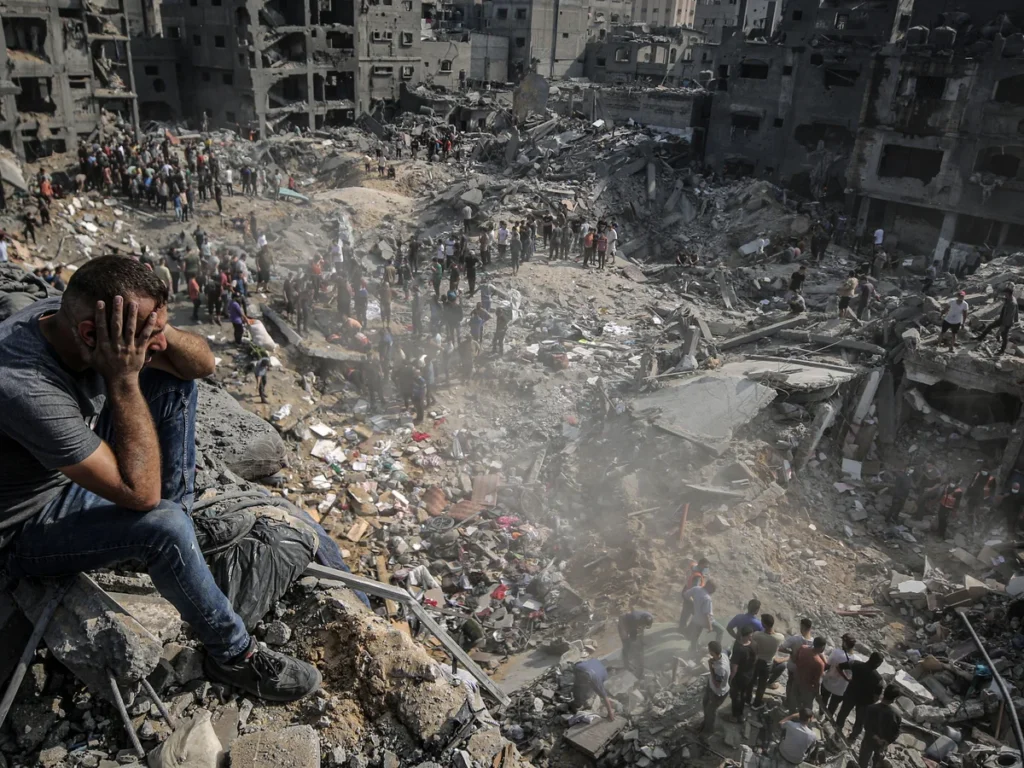
Israel, with strong backing from the United States, launched what Palestinians describe as a genocidal war on Gaza on 7 October 2023. The assault lasted for two years and resulted in the killing of more than 72,000 Palestinians and the wounding of nearly 172,000 others, while causing widespread devastation that destroyed roughly 90 percent of the enclave’s civilian infrastructure.
Al-Thawabta noted that data on truck movements shows how dramatically the gap has widened between Gaza’s needs and the aid actually reaching the territory.
So far, Gaza has received 36,720 trucks out of the 88,800 expected to enter over the past period, representing a compliance rate of just 41 percent.
This decline highlights the ongoing disruption to humanitarian and commercial supply flows, including food and other essential goods.
A Worsening Fuel Crisis
The crisis is not limited to food supplies. It also extends to fuel deliveries, which are critical for operating essential infrastructure across the Gaza Strip.
Al-Thawabta said Gaza has received only 1,081 fuel trucks out of the 7,400 trucks that were supposed to enter, representing just 14 percent of the territory’s actual fuel needs.
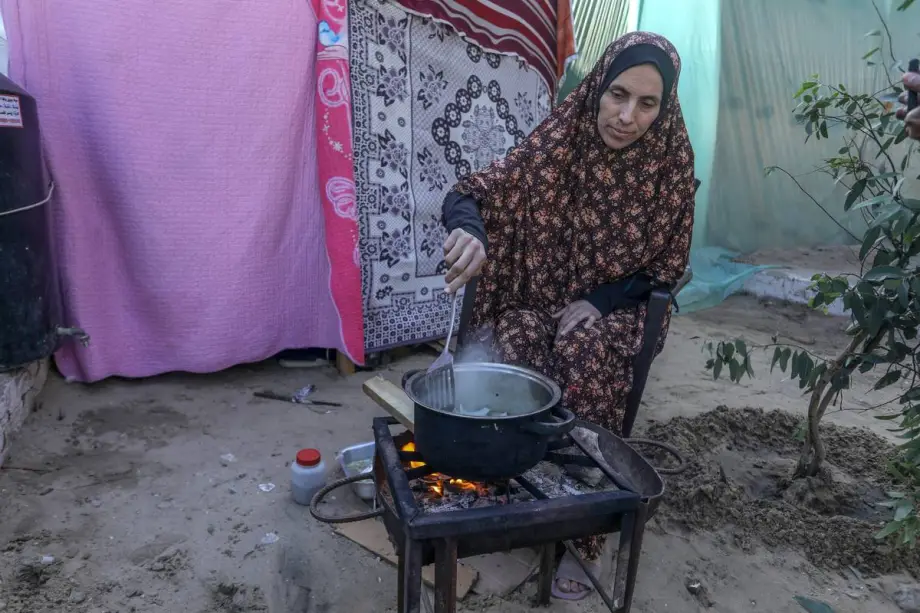
Meanwhile, cooking gas deliveries remain completely halted, creating a severe shortage affecting both households and service providers.
The decline in supply flows has had a direct impact on Gaza’s local markets. According to Al-Thawabta, markets selling vegetables, food products, and frozen goods have been severely affected by the reduced quantities entering the territory.
As supply shrinks, prices have risen sharply, placing further strain on residents already struggling with collapsing purchasing power and rising poverty.
Essential Services Under Pressure
Fuel shortages have also disrupted several critical sectors.
The water and sanitation sector has been particularly affected, as some pumping and treatment stations have been forced to halt or reduce operations due to fuel shortages.
Municipalities have likewise been compelled to cut back on waste collection services and limit the operation of water wells because they lack the fuel needed to power equipment and generators.
The crisis is also threatening Gaza’s healthcare system, where hospitals and medical facilities rely heavily on diesel generators to maintain basic operations amid the destruction of the electricity grid.
Al-Thawabta warned that the continued restrictions on humanitarian aid and essential supplies are placing the food security of more than 1.5 million people in Gaza at serious risk.
Without a significant increase in aid flows, he cautioned, the humanitarian situation in the enclave could deteriorate even further in the coming weeks.