
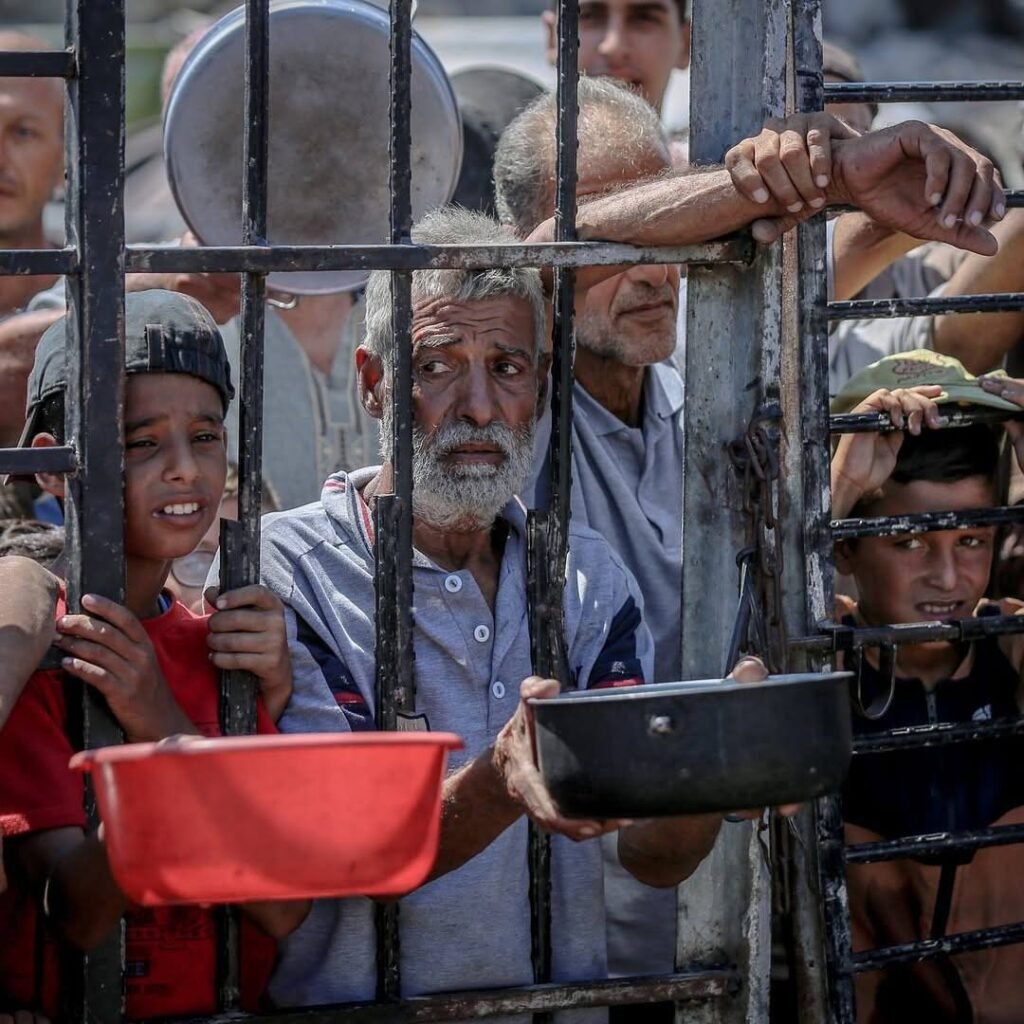
Gaza Herald – Francesca Albanese, the UN Special Rapporteur on human rights in the Palestinian territories, warned that the humanitarian catastrophe in the Gaza Strip was deepening as Israel continued policies that she said were deliberately starving the population.
In a post on the platform X, Albanese said the global focus had shifted to other conflicts while Gaza remained under severe pressure. “As the world is distracted AGAIN by more war and manufactured despair, Israel is AGAIN deliberately starving Gaza,” she wrote.
Her warning came as the humanitarian situation worsened following the suspension of operations by World Central Kitchen in Gaza.
The aid organization said it had halted its work due to severe restrictions at border crossings and a sharp drop in the number of incoming aid trucks, a move that threatened to deepen the territory’s growing food crisis.
The United Nations Office for the Coordination of Humanitarian Affairs (OCHA) also warned that the escalating regional conflict was having direct repercussions on humanitarian conditions in Gaza and the West Bank, particularly after the closure of all crossings, including the Rafah Border Crossing with Egypt.
According to OCHA, the closure forced the postponement of United Nations staff rotations in Gaza, which in turn led to the suspension of medical evacuations and planned returns of displaced civilians, despite ongoing efforts to maintain a minimal flow of humanitarian supplies.
Fuel shortages inside the enclave had also forced authorities to ration remaining reserves, disrupting the operation of bakeries, hospitals, desalination plants, and waste collection services, further worsening already fragile living conditions for Gaza’s population.
Since the ceasefire agreement took effect on October 10, 2025, living conditions in Gaza have shown little meaningful improvement, amid accusations that Israel failed to meet key terms of the deal, particularly those related to allowing sufficient quantities of food, humanitarian aid, and medical supplies, as well as permitting mobile homes and reopening border crossings.
Humanitarian agencies warned that the continued blockade and restricted aid access risked pushing Gaza’s already devastated civilian population deeper into hunger, displacement, and systemic collapse, as international attention remained fixed on wider regional tensions.

