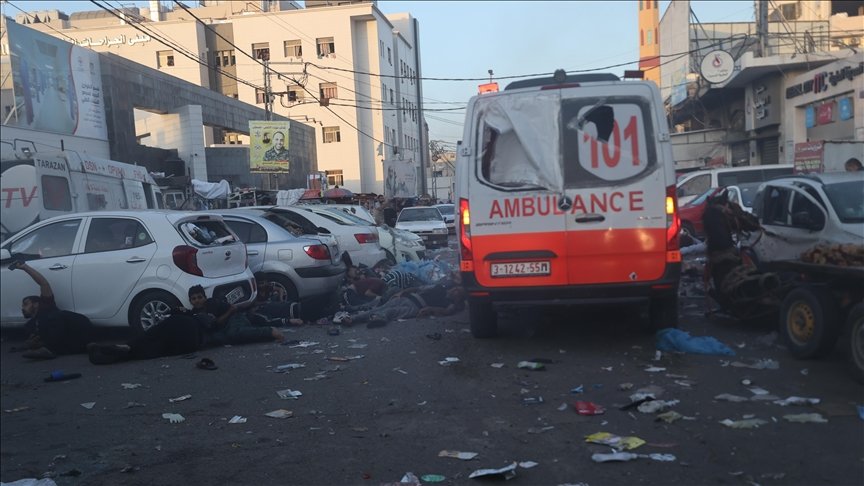
Gaza Herald – Intensive care patients at Al-Aqsa Martyrs Hospital in central Gaza faced life-threatening conditions as the facility’s two primary generators failed, forcing medical teams to consider emergency electricity rationing within hours. Doctors warned that ventilators, dialysis machines, incubators, and operating rooms depended entirely on backup power systems that were now on the brink of collapse.
Medical staff reported that the hospital was operating on two small secondary generators described as unreliable and vulnerable to sudden shutdown due to acute fuel shortages and the absence of essential spare parts. Without restoration of stable power, critical departments risked immediate suspension, placing the lives of severely ill patients in direct jeopardy.
Gaza’s Health Ministry stated that the territory’s healthcare infrastructure had been systematically devastated during more than two years of genocide. Over 1,700 healthcare workers, including physicians, nurses, and paramedics, have been killed since October 2023, while the majority of hospitals across the enclave have been damaged or rendered nonfunctional.
Despite a ceasefire that took effect in October, Israeli forces have continued daily violations through military strikes and by restricting the entry of agreed-upon medical and humanitarian aid shipments. Nearly 600 Palestinians have been killed since the truce began, further compounding what officials described as an escalating public health catastrophe.
The ministry also reported severe medication shortages, critical equipment deficits, and the detention of 95 Palestinian medical professionals, including 80 from Gaza, intensifying the strain on an already collapsing system.
Since October 2023, more than 72,000 Palestinians have been killed and over 171,000 injured, according to Gaza health authorities, with thousands more trapped beneath rubble or beyond the reach of emergency crews. At Al-Aqsa Hospital, doctors warned that without immediate fuel deliveries and spare parts, the loss of electricity could translate directly into preventable deaths inside intensive care units.