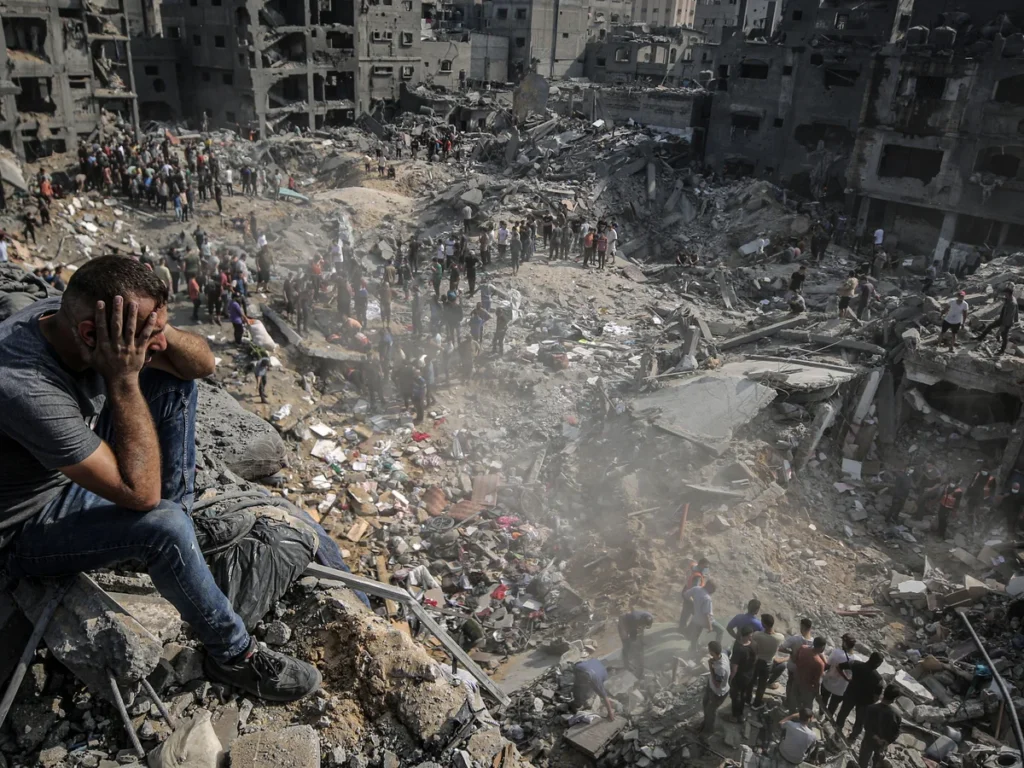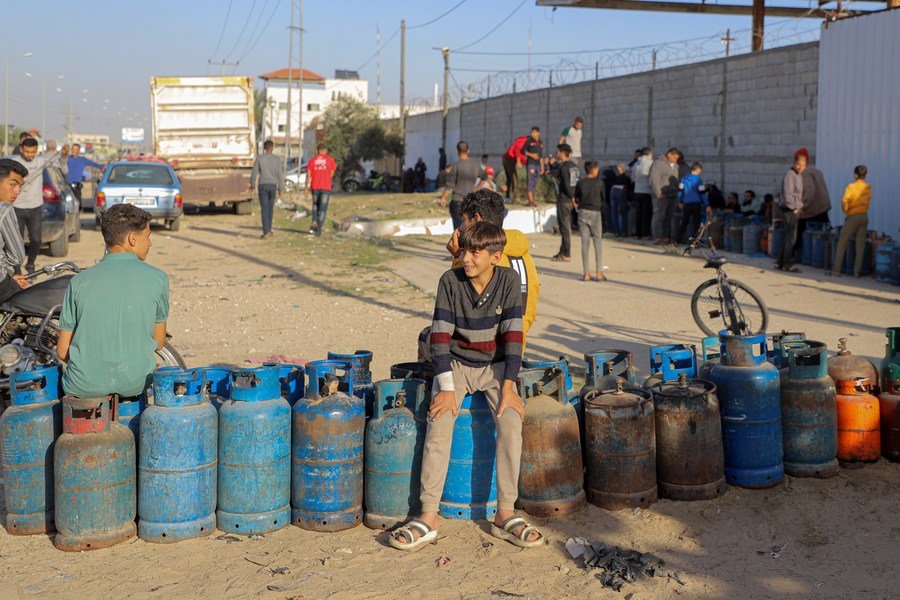
Gaza Herald – Gaza’s destruction is often portrayed as a humanitarian crisis defined by hunger, tents, and stalled aid convoys. While the suffering is real, framing it purely as an emergency obscures the deliberate political and military decisions that caused it.
Analysts emphasize that Gaza is not a natural disaster zone. Its devastation is the result of sustained Israeli military campaigns, a strict siege, and structural domination over the enclave. Presenting the crisis as merely technical or logistical hides accountability.
Starvation in Gaza, they argue, is engineered. Food restrictions, fuel shortages, destroyed farms, and blocked crossings have left civilians dependent on limited aid. International warnings of famine have largely gone unheeded, while the narrative focuses on need rather than the perpetrators.
Destruction of hospitals, schools, water systems, and neighborhoods is systematic, not accidental. Describing it as “infrastructure collapse” removes the human agency and masks the legal implications under international law.
Humanitarian aid, though vital, cannot replace political action. Food and tents save lives but cannot restore sovereignty, security, or dignity. Relying solely on aid risks normalizing a prolonged siege.
Accountability is crucial. Ending restrictions, lifting the occupation, and enforcing legal responsibility are necessary for lasting relief. Without these, Gaza remains trapped in a continuous crisis.
The enclave reflects both the brutality of the siege and the inadequacy of global responses. True justice, critics argue, requires naming the forces behind the devastation and acting decisively to stop it.