Gaza Herald — In Gaza, illness is no longer fought with treatment but with endurance. As borders remain tightly controlled and medical supplies are strangled by restrictions, thousands of patients with chronic diseases are being forced into an impossible race against time. What should be a routine search for medication has become a daily struggle for survival, one that many are losing quietly, far from headlines and cameras.
Pharmacies Without Medicine, Patients Without Options
Across the Gaza Strip, essential medicines are disappearing from pharmacy shelves, particularly drugs needed to manage chronic and life-threatening conditions. Patients report spending entire days moving between pharmacies, hospitals, and clinics, often returning home empty-handed.
For many, the search ends not with relief but with hospitalization, or worse.
A Story That Reflects Thousands
Moataz Aziz, a 44-year-old resident of Khan Younis, spent more than nine hours searching for medication to control myasthenia gravis, a neurological disorder that can become fatal without consistent treatment. Unable to find the drug anywhere, his condition deteriorated rapidly, forcing his transfer to the intensive care unit at Al-Amal Hospital.
His experience mirrors that of countless patients whose lives now depend not on diagnosis, but on availability.
A ‘Silent War’ on Chronic Patients
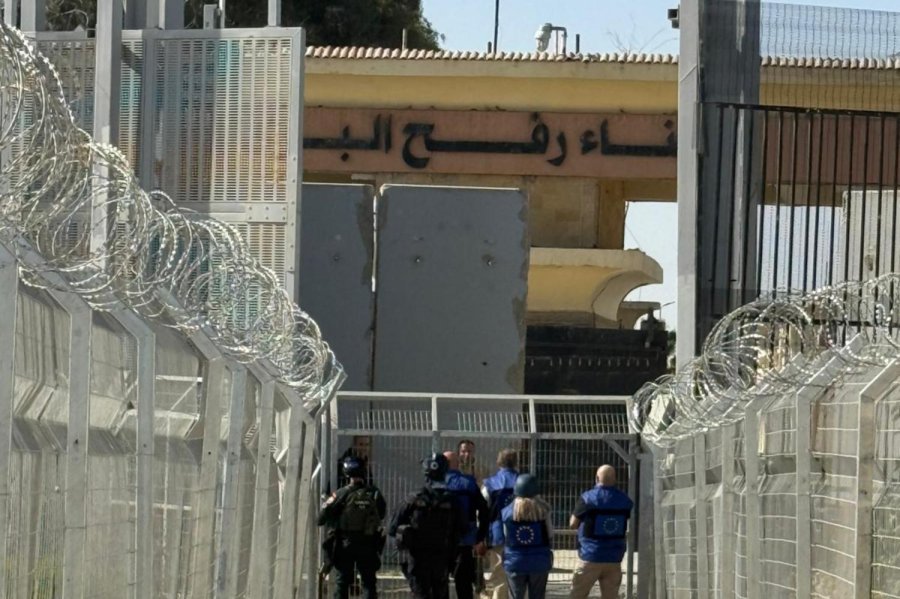
Medical professionals describe the medicine shortage as a “silent war”, one that does not rely on bombs, but on deprivation. Strict restrictions on the entry of medical supplies have left hospitals struggling to treat patients with heart disease, diabetes, hypertension, thyroid disorders, and neurological conditions.
Pharmacist Khaled Odeh says the situation has reached unprecedented levels. “We are constantly forced to alter treatment plans,” he explains, “not because it’s medically appropriate, but because the medicines simply do not exist.”
Thyroid medications, he adds, have been completely unavailable for nearly three months.
Health Complications on the Rise
Doctors warn that interruptions in treatment are already leading to severe consequences. Patients are arriving at hospitals with preventable complications, including heart attacks, strokes, kidney failure, and liver damage, conditions directly linked to the lack of consistent medication.
For diabetic and cardiac patients, even short disruptions can be deadly.
Health System on the Edge
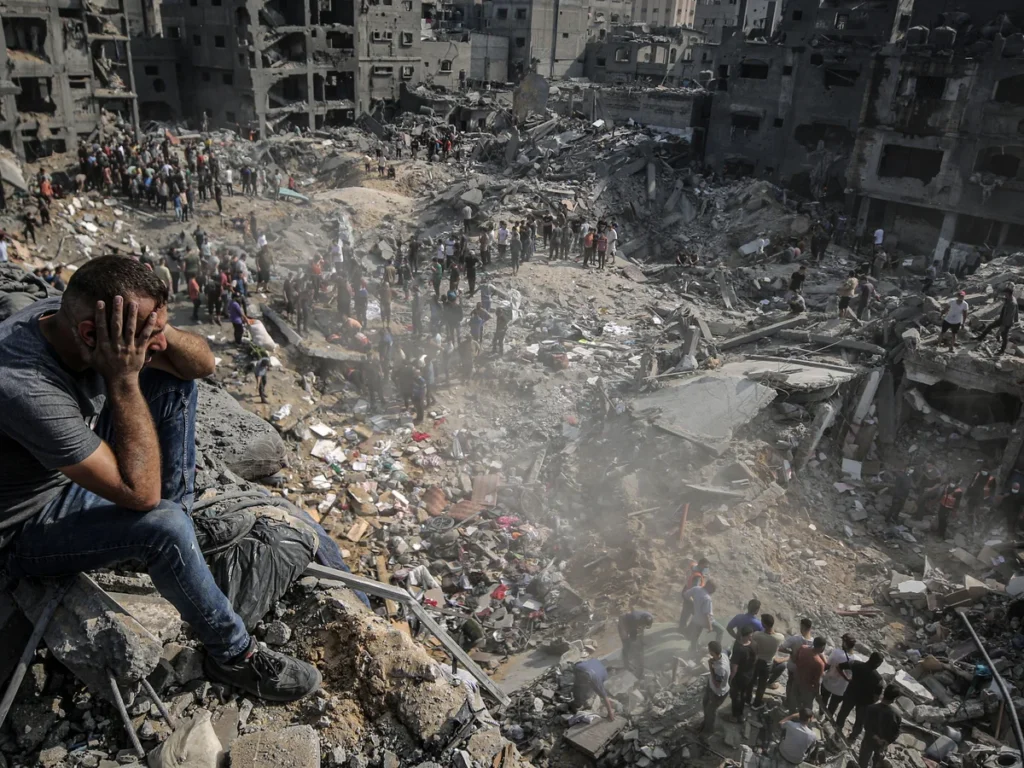
Dr. Muneer Al-Barsh, Director-General of Gaza’s Ministry of Health, says the shortage of chronic disease medications has reached “dangerous and unprecedented levels.” He describes a health system operating under catastrophic conditions, weakened by prolonged assault, infrastructure destruction, and the continued closure of crossings that control medical imports.
“This is not a logistical failure,” Al-Barsh warns. “It is a manufactured crisis.”
Calls for Urgent International Action
Health authorities in Gaza are urging international organizations and humanitarian actors to intervene immediately and ensure the unrestricted entry of medicines. Without urgent action, officials warn, the Strip faces a deepening health disaster , one that will claim lives slowly, invisibly, and relentlessly.
Death by Deprivation
Gaza’s medicine shortage is not an unfortunate byproduct of war , it is a policy-driven catastrophe. When patients are forced to chase treatment through empty pharmacies, when doctors are reduced to improvisation, and when preventable deaths become routine, the crisis can no longer be framed as humanitarian failure alone. It is a moral one. Until access to medicine is treated as a non-negotiable human right, Gaza’s sick will remain trapped in a silent siege , fighting not just disease, but deliberate neglect.