Gaza Herald_ Months into the ceasefire, frustration and despair are mounting across Gaza as residents say the agreement has failed to deliver even the most basic humanitarian relief. On the ground, people express little interest in political debates over future governance models, saying their daily struggle for survival leaves no room for abstract discussions. What matters to them now is food, shelter, warmth, and medical care, needs that remain largely unmet.
Humanitarian Needs Take Priority Over Politics
Residents across Gaza say they are overwhelmed by a deepening humanitarian catastrophe that continues to worsen with time. With winter conditions tightening their grip, families already exhausted by war are struggling to cope with cold, hunger, and insecurity. For many, survival has become a daily calculation, made harder by the absence of adequate aid and essential services.
People emphasize that their demands are not political, but humanitarian. They speak of severe shortages in healthcare, education, and emergency relief, warning that the situation is spiraling beyond control as assistance remains blocked or delayed.
A Shelter Crisis Amid Endless Rubble
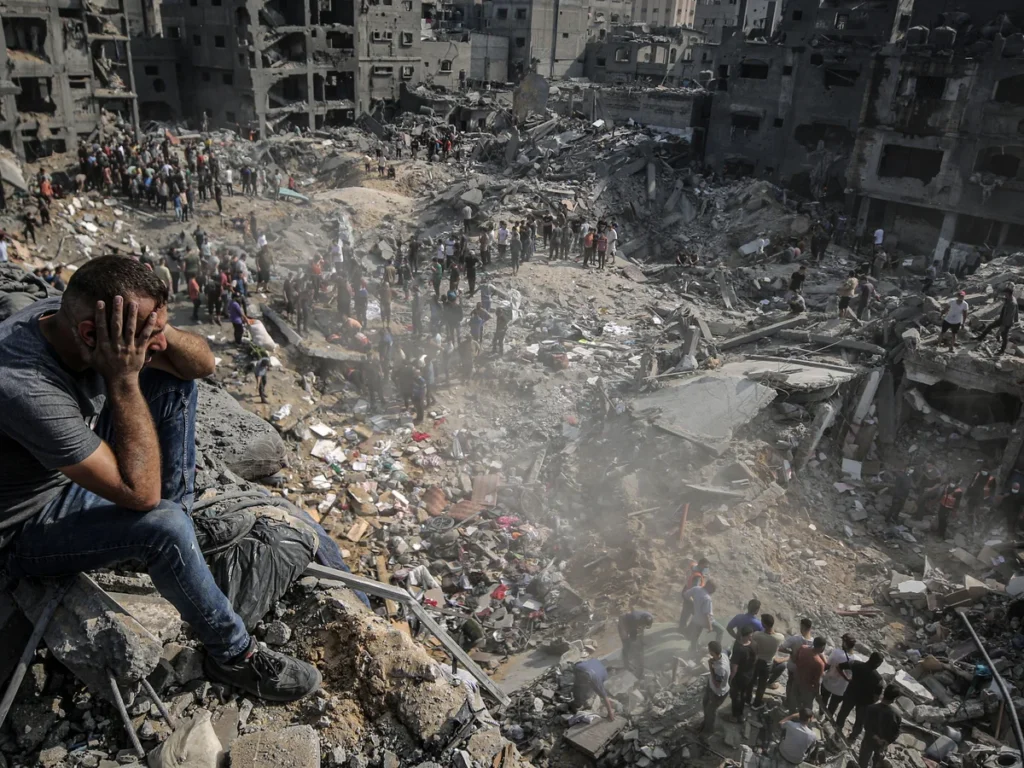
Gaza’s shelter crisis has become one of the most visible symbols of the ceasefire’s failure. Tens of thousands of families remain displaced after their homes were destroyed, forced to live among vast fields of rubble that will take years to clear. The need for tents, temporary housing, and reconstruction materials is immense, yet little has arrived.
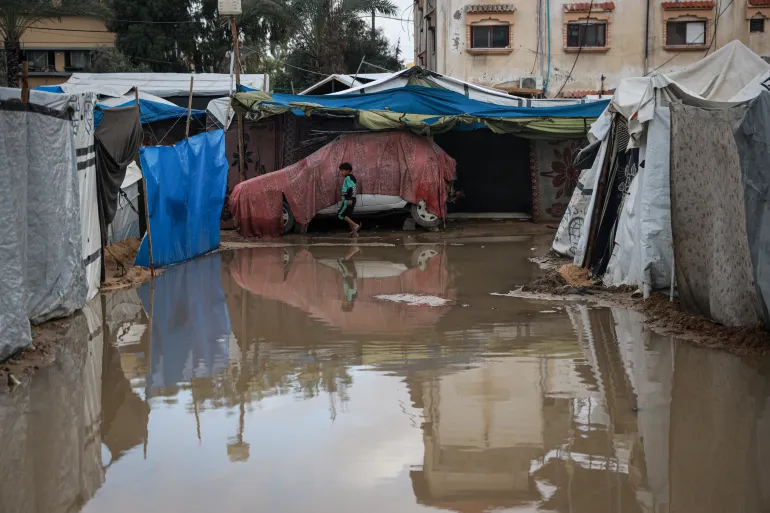
Families say they are still waiting for the entry of shelter supplies promised under the ceasefire arrangements. Many are exposed to harsh weather without adequate protection, compounding the trauma of displacement with daily physical suffering.
Ceasefire in Name Only
On the streets of Gaza, the ceasefire is increasingly described as symbolic rather than real. Residents point to continued Israeli delays and restrictions on the entry of aid as evidence that little has changed in practice. This ongoing obstruction has fueled anger and disappointment, as people watch essential supplies stalled while their living conditions deteriorate.
Despite repeated statements from international organizations and United Nations agencies, Gazans say the reality on the ground tells a different story. Without concrete action to allow aid, shelter, and services to enter freely, they warn that the humanitarian crisis will only deepen, turning the ceasefire into yet another unfulfilled promise.