Gaza Herald- A newly formed Palestinian technocratic committee has been announced to manage Gaza’s transitional period under the current ceasefire framework, as political factions cautiously signal support amid ongoing Israeli violations and an escalating humanitarian crisis. The committee is expected to assume key administrative responsibilities during the second phase of the ceasefire, which aims to halt Israel’s genocidal war and initiate recovery and reconstruction efforts in the besieged enclave.
The 15-member body will be led by Ali Shaath, a Palestinian engineer and former Deputy Minister of Planning, known for his technocratic background and absence of direct factional affiliation. The committee is set to operate under an international supervisory framework headed by former United Nations Middle East coordinator Nickolay Mladenov, who is expected to act as a senior representative within a US-backed oversight structure tasked with monitoring the implementation of the ceasefire’s second phase.
The committee comprises Palestinian professionals tasked with managing essential civilian sectors, including health, education, finance, agriculture, infrastructure, housing, energy, transportation, water services, social relief, and religious affairs. Its formation is intended to ensure the continuation of public services for Gaza’s population of more than two million people, following the near-total collapse of civil governance after two years of relentless Israeli bombardment.
Security oversight within the transitional framework has been assigned to Sami Nasman, a retired Palestinian Authority security official and a longstanding critic of Hamas. His appointment has drawn attention due to his political history, reflecting the sensitive balance the committee seeks to maintain amid internal Palestinian divisions and external pressures.
Hamas and Islamic Jihad have both stated their acceptance of the committee, affirming their willingness to support mediator-led efforts to establish a neutral Palestinian transitional administration in Gaza. The factions emphasized that their support is contingent on the committee functioning independently and prioritizing the needs of the Palestinian population, rather than serving external political agendas.
Sources familiar with the process indicated that committee members were instructed to keep their appointments confidential until a formal international announcement. Egypt is expected to host the committee’s initial meetings in Cairo, while coordinating with relevant authorities to allow some Gaza-based members to travel. Several committee members have remained outside Gaza since the war began, further complicating logistical arrangements.
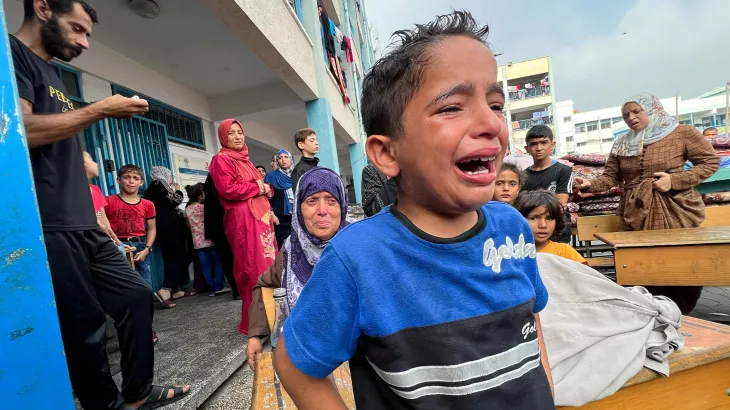
Despite the ceasefire taking effect in October, Israeli attacks on Gaza have continued, undermining prospects for a stable transition. Border crossings remain largely closed, humanitarian aid remains restricted, and Israeli military operations persist across multiple areas of the Strip. These conditions have slowed progress toward the second phase of the agreement and deepened skepticism among Gaza’s population.
According to Palestinian health authorities, Israeli forces have killed more than 71,000 Palestinians and wounded over 171,000 others since October 2023. Nearly 450 additional Palestinians have been killed since the ceasefire began, reinforcing concerns that the violence has merely shifted in form rather than ended.
While the establishment of the technocratic committee marks a potential step toward civilian governance and reconstruction, its ability to function effectively remains uncertain. Continued Israeli occupation, restricted aid flows, and the absence of clear guarantees for withdrawal cast a long shadow over the transition, leaving Gaza’s future suspended between cautious hope and ongoing devastation.