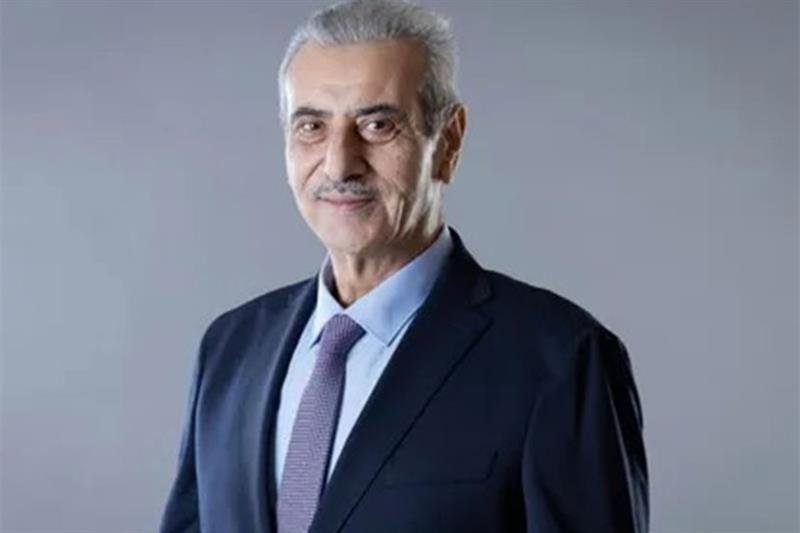
Gaza Herald_The name of Palestinian engineer Ali Abdul Hamid Shaath has emerged prominently recently as one of the leading figures in planning and development in Palestine, following his appointment as head of a Palestinian technocratic committee tasked with administering the Gaza Strip in the aftermath of Israel’s devastating war.
Shaath, who hails from Khan Younis in southern Gaza, brings with him a long professional career that spans government service, executive management, and development consultancy. His appointment comes at a critical moment, as Gaza faces unprecedented destruction and an urgent need for structured governance and reconstruction planning.
Education and Academic Background
Ali Abdul Hamid Shaath was born in 1958 in Khan Younis. He earned a Bachelor’s degree in Civil Engineering from Ain Shams University in Cairo in 1982, followed by a Master’s degree in the same field in 1986.
In 1989, Shaath completed his PhD in civil engineering from Queen’s University in the United Kingdom, specializing in infrastructure planning and urban development, a field that would later define much of his professional work.
Professional and Institutional Career
Throughout his career, Shaath played a central role in the development of Palestinian cities and industrial zones, contributing to the formulation of economic and urban policies aimed at supporting national development. He was involved in signing cooperation agreements with academic institutions to strengthen applied research and promote industrial growth within sustainable development frameworks.
Shaath held several senior positions within institutions of the Palestinian National Authority, while maintaining a non-partisan, technocratic profile. He served as Deputy Minister of Planning and International Cooperation, where he helped draft strategic development plans during the Authority’s early formative years.
He later assumed the role of Undersecretary at the Ministry of Transport, overseeing the implementation of vital infrastructure projects, including road networks. Shaath also headed the Palestinian Industrial Estates and Free Zones Authority, playing a key role in managing and developing industrial areas to boost investment and employment.
In addition, he served as Chairman of the Palestinian Housing Council and Chairman of the Palestinian Ports Authority, contributing to the organization and development of the housing and maritime sectors. In an advisory capacity, Shaath worked as a consultant for the Palestinian Economic Council for Development and Reconstruction (PECDAR) and advised the Minister of Housing and Public Works.
Political Role and Post-War Governance
Politically, Shaath was involved in final-status negotiations in 2005, focusing on key files related to borders and maritime access. His accumulated experience in economic development, infrastructure planning, and reconstruction positioned him as a leading candidate to head the newly formed technocratic body for Gaza.
On January 14, 2026, Egypt, Qatar, and Türkiye announced the completion of the formation of the Palestinian Technocratic Committee for Gaza, appointing Ali Shaath as its head. The mediators described the step as an important development aimed at supporting stability and improving humanitarian conditions in the Strip.
They expressed hope that the committee would pave the way for the implementation of the second phase of the Gaza ceasefire agreement, in line with a plan announced by US President Donald Trump, with the stated goal of consolidating calm and preventing renewed escalation.
The announcement followed the declaration made on October 9, 2025, in Sharm El-Sheikh, which marked the agreement on the first phase of the same plan.
As Gaza confronts the immense task of recovery after widespread destruction, Shaath’s leadership of the technocratic committee places him at the center of efforts to navigate governance, reconstruction, and humanitarian stabilization in one of the most challenging environments in the world.