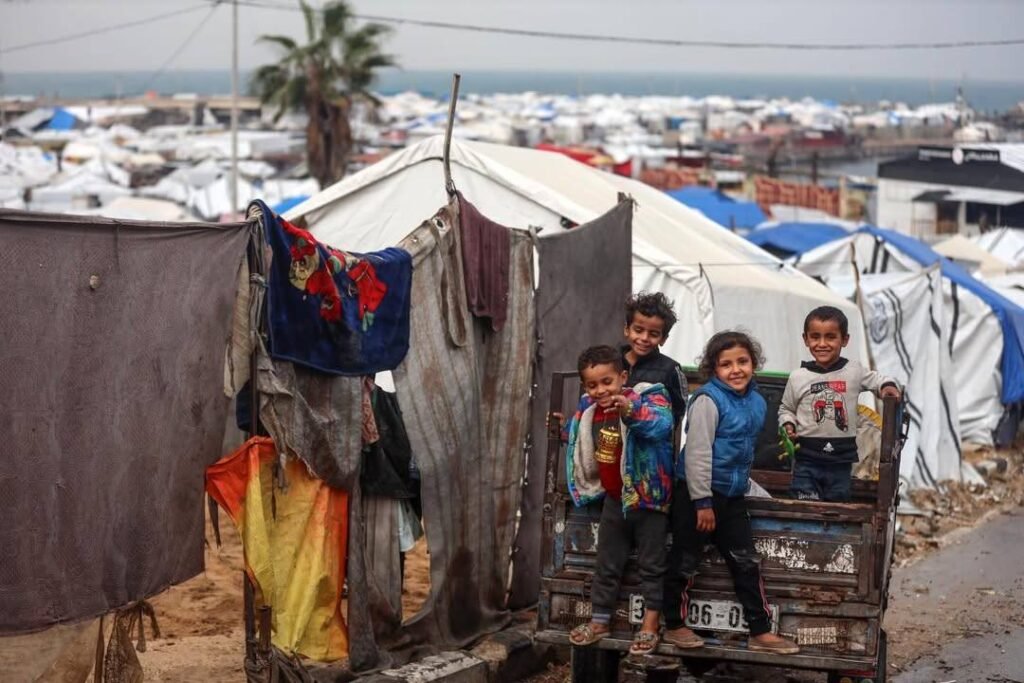
Gaza Herald- In Gaza, tents were meant to be temporary. Instead, they have become a long-term reality for tens of thousands of displaced families, reflecting a deepening humanitarian crisis under ongoing blockade conditions. As restrictions continue to prevent the entry of prefabricated housing units, emergency shelter solutions remain stuck between limited local initiatives and overwhelming need.
Families who lost everything are now confined to tents that offer little protection from heat, cold, rain, or disease. What was once described as short-term displacement has turned into an open-ended struggle for survival, with no clear pathway toward dignified housing.
Life Inside the Tents
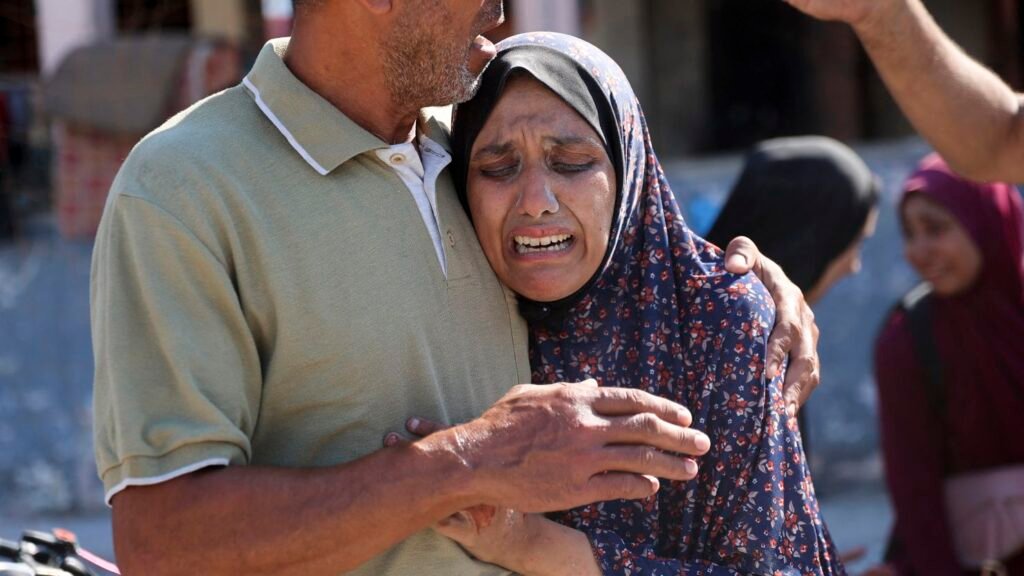
In the Mawasi area of Khan Younis, Mahmoud Al-Haddad watches his children endure winter nights as rain leaks through thin fabric walls. Once the owner of a multi-story home, he now lives in a tent that fails to provide even basic safety.
“We don’t want luxury,” he says. “We just want a small housing unit that gives us privacy and protects our children.”
For elderly and ill residents, the situation is even more dire. Sixty-year-old Salwa Abu Moussa describes how constant dampness worsens her illness. “A caravan is not a comfort,” she says. “It’s a necessity for survival.”
Local Solutions, Limited Impact
Facing restrictions at border crossings, local organizations have begun manufacturing prefabricated housing units inside Gaza. One such initiative has started producing dozens of caravans for displaced families in the south, with plans to expand northward.
While these efforts offer relief to a small number of families, officials acknowledge they barely scratch the surface. Gaza requires hundreds of thousands of housing units to address the scale of displacement.
High Costs and Harsh Conditions
Producing housing units locally comes at a steep price. Scarcity of materials, inflated costs, and the need for insulation suitable for Gaza’s climate push the price of a single caravan into the tens of thousands of dollars.
Engineers warn that tents do not meet basic humanitarian or safety standards. They offer no insulation, little privacy, and expose families to serious health and social risks, especially when displacement becomes prolonged.
Health and Legal Consequences
Medical experts warn that extended life in tents during winter is creating a public health emergency, with rising cases of respiratory illness, skin infections, and psychological distress. Children, pregnant women, the elderly, and people with disabilities face the greatest danger.
International law obligates occupying powers to ensure civilian shelter and facilitate humanitarian assistance. Yet UN agencies have repeatedly warned that the continued denial of adequate housing materials places displaced families at ongoing risk.
Waiting for More Than Promises
While local workshops assemble a small number of housing units, hundreds of thousands of displaced Palestinians remain trapped in tents, waiting for meaningful international action. For them, the issue is not comfort, but survival, dignity, and the right to live under a roof that can truly be called a home.