Gaza Herald- The fuel crisis has severely hindered efforts to revive the economy and restore essential services in the aftermath of the Israeli war on Gaza.
Although a ceasefire went into effect in October 2025, living conditions in Gaza have continued to deteriorate amid acute fuel shortages, a lack of cooking gas, and the ongoing collapse of supply chains.
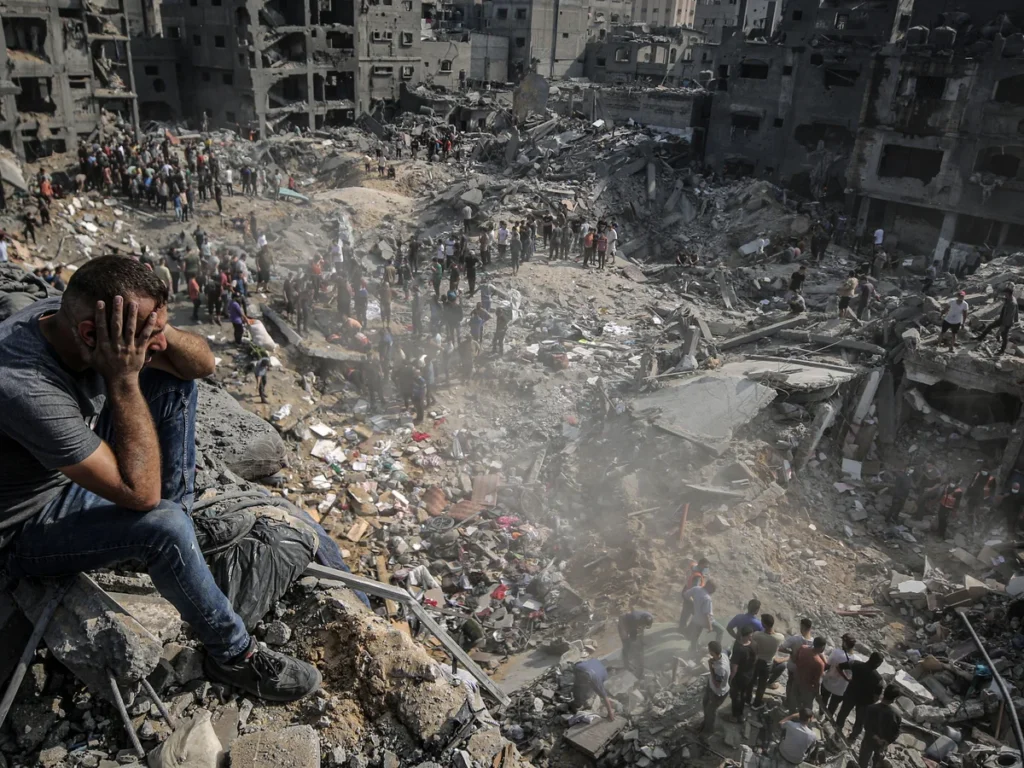
The fuel crisis has disrupted essential services, delaying debris clearance, blocking roads, and forcing families to use primitive means for cooking and water. Waste is piling up as municipal vehicles remain inactive. These disruptions have driven prices sharply upward and weakened both commercial and industrial activity.
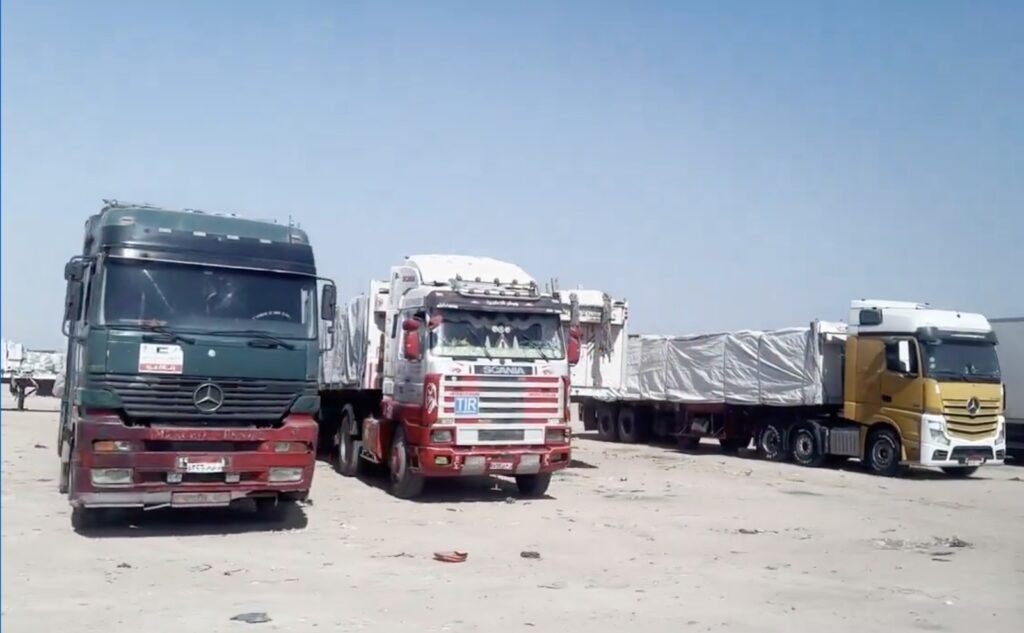
Only 104 of the 660 planned cooking-gas trucks entered Gaza after the ceasefire, providing just 16% of the needed supply and causing a major crisis for 2.4 million people.
Fuel shortages have brought Gaza’s water, sanitation, and waste services to a near halt, while restricted access to the Jarh al-Deek landfill has caused severe waste accumulation.
According to Alaa Al-Batta, mayor of Khan Yunis, the resources provided to Gaza’s municipalities during the past 50 days would cover merely five days of work in clearing streets and removing rubble. He noted that the quantities under UNOPS management are insufficient to meet even minimal requirements.
Abu Khaled Nabhan from Jabalia Camp reported that fuel shortages cover only 15% of needs, forcing crews to clear main roads while internal streets remain blocked, restricting both civilian and ambulance movement.
Fuel and cooking-gas shortages are driving inflation, disrupting industries, and limiting bakery and restaurant operations, with economists warning that Gaza’s economic recovery is impossible without sufficient fuel to restart essential services.