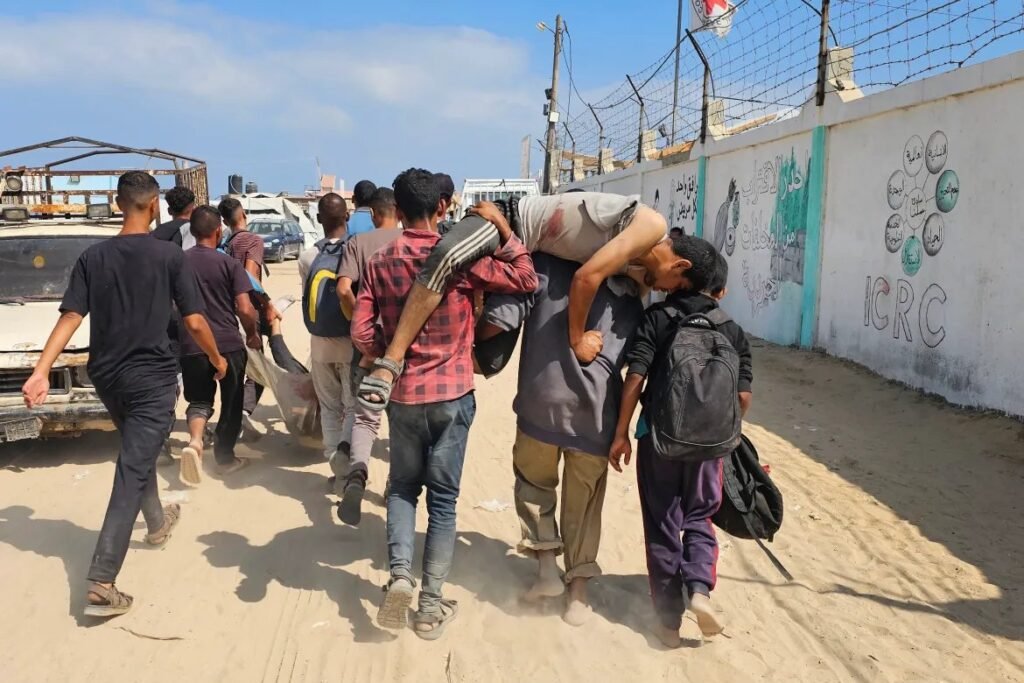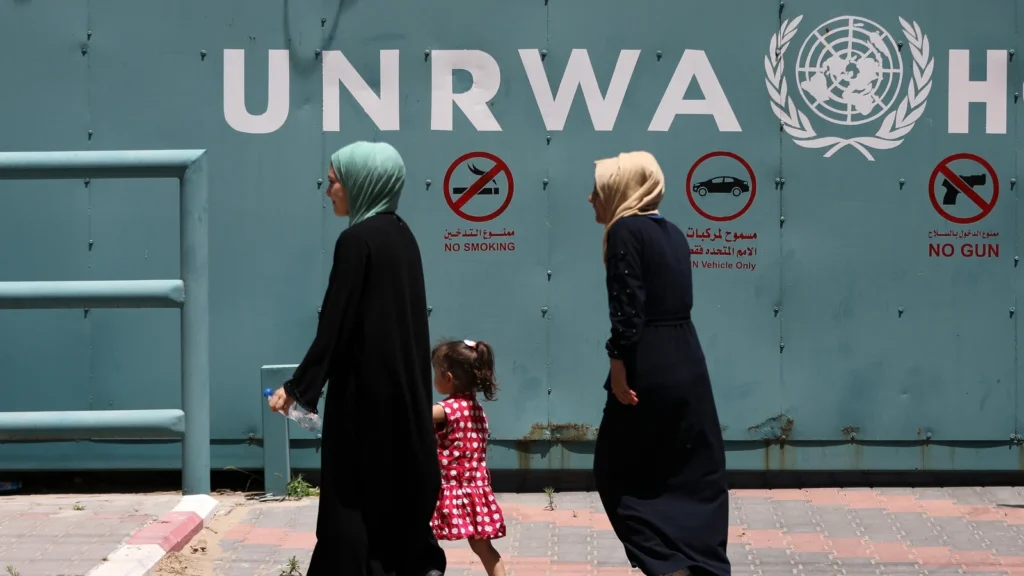
Gaza Herald — Fundraisers supporting Palestinians in Gaza say they are witnessing a “catastrophic” decline in donations since the October ceasefire, leaving displaced families and those suffering from hunger, illness, and severe malnutrition more vulnerable than ever. Volunteers who have spent the past two years raising money through third-party crowdfunding platforms report that contributions have sharply tapered off, even as Gaza enters another winter with almost no functioning infrastructure.
Donations Collapse After Ceasefire
Many organisers say donations began slowing in September, but the drop became dramatic after the 10 October ceasefire. Megan Hall, an Australia-based volunteer who runs 95 mutual aid funds for individual families in Gaza, has raised more than $200,000 (£152,700) since February 2024. Yet for the first time since the war began, her campaigns are barely staying afloat.
During the war, she was able to send around $5,000 weekly to desperate families. In October, across all her campaigns combined, she raised only just over $2,000.
“The drop in donations is catastrophic. It feels like with the so-called ‘ceasefire’ the world thinks Palestinians don’t need our help anymore,” Hall said. “Mutual aid has kept people alive for two years. And now, going into winter, many don’t even have clothes or blankets.”
Four additional mutual aid organizers shared similar experiences, reporting severe donation declines that threaten to cut off the lifeline many displaced families depend on.
Mutual Aid Networks Under Strain
Unlike major NGOs that rely on government or high-income donors, mutual aid efforts are largely powered by small contributions from ordinary people. Volunteers use social media to amplify the voices of Palestinians inside Gaza, who—when they manage to access the internet—share their pleas directly with the world.
The decline is not limited to small campaigns. The Gaza Soup Kitchen, which has raised more than $5.8 million since February 2024 and serves 10,000 meals daily, saw donations plummet by 51% between September and October.
Co-founder Hani Almadhoun said the organization is continuing its work for now, but warned that long-term operations could be at risk: “We press on, no changes—but our minds are on the future.”
Gaza Faces Winter With No Infrastructure
Conditions inside Gaza remain devastating despite the ceasefire. According to SARI Global, cited by the World Health Organization, more than 70% of Gaza’s population, nearly 1.9 million people, are confined to areas exposed to rain, strong winds, and coastal surges.
Agricultural land and livestock have been destroyed. The healthcare system is barely functioning. Families displaced multiple times over the past two years have exhausted every coping mechanism.
A spokesperson for the UN Office for the Coordination of Humanitarian Affairs (OCHA) said:
“The ceasefire means fewer bombs falling on people’s heads. It doesn’t mean their lives improved. Most of Gaza is in ruins.”
Major charities like Oxfam and Save the Children UK have also reported donation declines, especially from social media campaigns. “When media coverage drops, marketing stops being cost-effective,” said Alison Griffin of Save the Children UK, describing a cycle where reduced visibility leads to fewer donations.
Daily Struggles Continue
Inside Gaza, families say small improvements like slightly lower food prices in markets are overshadowed by the collapse of aid. Deeb, one father interviewed, said his family mostly survives on lentils and pasta. He hasn’t received any humanitarian assistance in eight months.
Other Palestinians described similar hardships, all pointing to dwindling financial support from abroad.
Fundraisers say many donors are financially exhausted after two years of giving, while others wrongly assume the ceasefire resolved Gaza’s humanitarian crisis. Some activists, like Hall, are sacrificing their own belongings; she has been selling furniture to cover rent for a displaced family.
Additional factors like economic hardship in donor countries and the US government shutdown have tightened ordinary people’s finances. Meanwhile, tech platforms like Meta continue to suppress pro-Palestinian content, limiting how widely donation campaigns can spread.
For Gaza’s two million residents, winter brings another season of uncertainty. Deeb said his family’s first rent payment is due soon. If they cannot pay, they may be forced to sleep on the streets.
A Manufactured Sense of “Normalcy” Leaves Gaza to Suffer Alone
Although international headlines have largely moved on, Gaza’s reality remains one of destruction, hunger, and displacement. The steep decline in donations reflects a dangerous illusion that a ceasefire means relief. In truth, the humanitarian crisis is deepening, and without renewed global solidarity, countless Palestinian families risk falling further into desperation. Organizers warn that unless the world recognizes that Gaza’s needs did not end with the bombs, an entire population may be left to weather the cold, hunger, and trauma alone.