Gaza Herald – In a move human rights lawyers call illegal and inhumane, Israel has forced at least 154 Palestinian prisoners being freed today to accept exile to third countries as part of the latest prisoner exchange under the ceasefire.
The deportations come amid a larger release that includes 250 prisoners serving life or long sentences and roughly 1,700 detainees from Gaza arrested after October 7, 2023, yet dozens of the freed are being expelled from their homeland rather than allowed to return to their families.
Relatives who had prepared for homecomings were left in shock and heartbreak when they learned loved ones would be sent abroad. In Ramallah, the family of Muhammad Imran, convicted and jailed on decades-old charges, was told first that he would come home, then told he would be deported.
“Today’s news was a shock,” his brother said, adding the cruel irony that the family may never be able to see him again because Israel controls travel out of the occupied territories. The forced exile severs ties to community, legal recourse and family care, and in many cases effectively converts release into permanent banishment.
Legal experts say the practice violates basic rights. Tamer Qarmout, a public policy scholar, called the deportations “illegal”: these are Palestinian citizens with no alternative nationality who are being expelled from their country.
“They are out of a small prison only to be sent to a bigger one,” Qarmout said, noting that deported prisoners will face severe movement restrictions and political isolation in host states. Observers underline that exile removes any possibility for the release to exercise political or civic rights, extinguishing whatever part of their future remained after years behind bars.
The forced expulsions follow an earlier pattern. In January, dozens of released detainees were sent to countries such as Tunisia, Algeria and Türkiye, destinations chosen with little transparency and often with no guarantee that family members can reunite with them.
There are still no official details about where today’s exiled prisoners will be taken, and destinations remain tightly controlled and opaque, fueling fear among families that the deportations are being used as a tool of collective punishment and political erasure.
Advocates describe the policy as deliberately punitive: it robs communities of leaders, severs family networks, and strips the returnees of any meaningful role in Palestinian civil or political life. “Exile means the end of their political future,” analysts say.
For Israel, deportation can neutralize political symbolism attached to prisoner releases while enabling it to claim a “humanitarian” gesture; for the deported and their relatives, it is a fresh injustice layered on top of years of detention, torture allegations and loss.
International law and human rights bodies need to examine these forced transfers urgently, campaigners say. The Palestinian Prisoners’ Media Office and rights groups are documenting cases and calling for immediate guarantees: that freed prisoners be allowed to return to their homes if they wish, that deportations stop, and that families be granted unfettered access to reunite. Without such steps, today’s “releases” risk becoming another mechanism of dispossession, a bitter liberation that replaces imprisonment with exile.
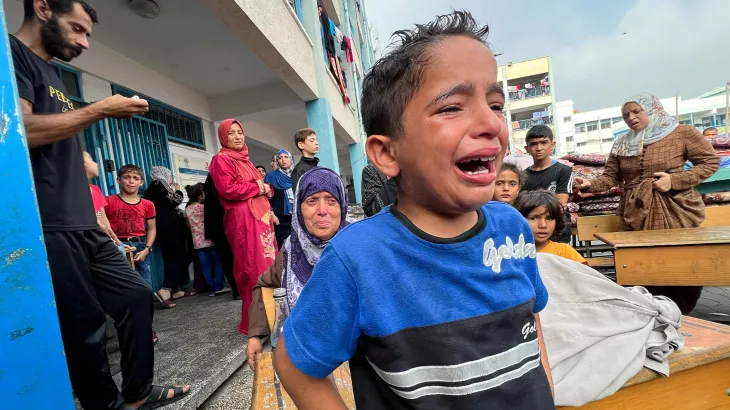
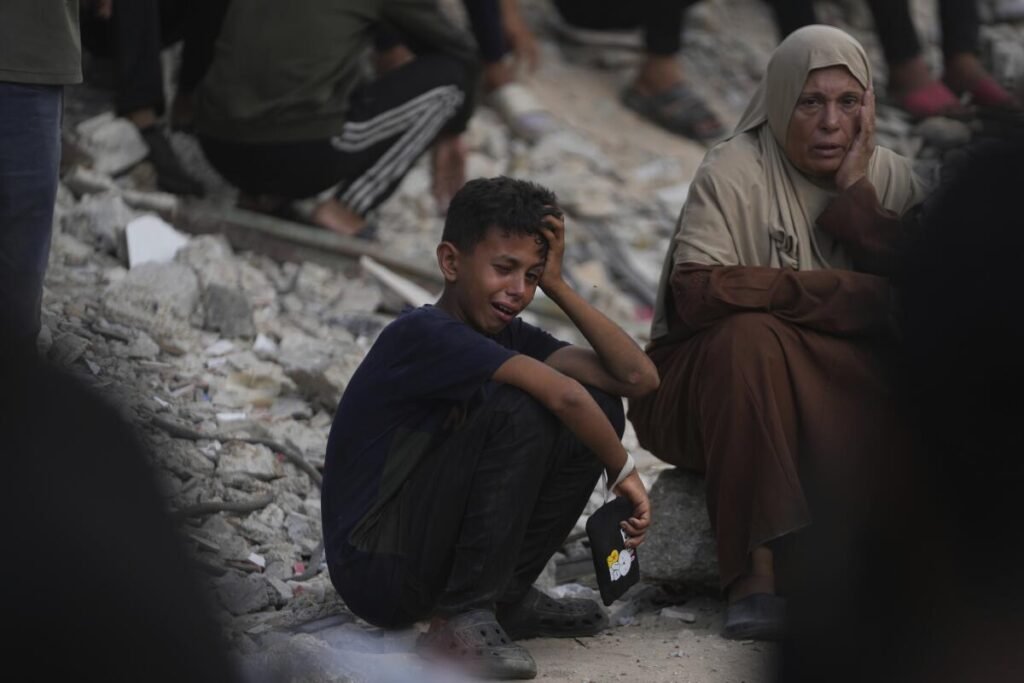
For the moment, celebrations in some places are muted: relief at seeing loved ones freed is shadowed by the knowledge that many will never set foot again in the towns and neighborhoods they were taken from. The exchange may free bodies, but in many cases it also scatters families and futures across borders, a human cost that will last long after the cameras have left.