Gaza Herald—Surrounding organ-handling practices in Israel have re-emerged in public debate following a report that links recent public celebrations of kidney donations with long-standing and highly contested issues of organ misuse, forensic concerns, and trafficking accusations.
The report refers to a January public event attended by Israeli President Isaac Herzog, where officials celebrated what was described domestically as a record in kidney donations. According to the same report, Guinness World Records only recognized the gathering itself, not the donation figures promoted in Israeli media.
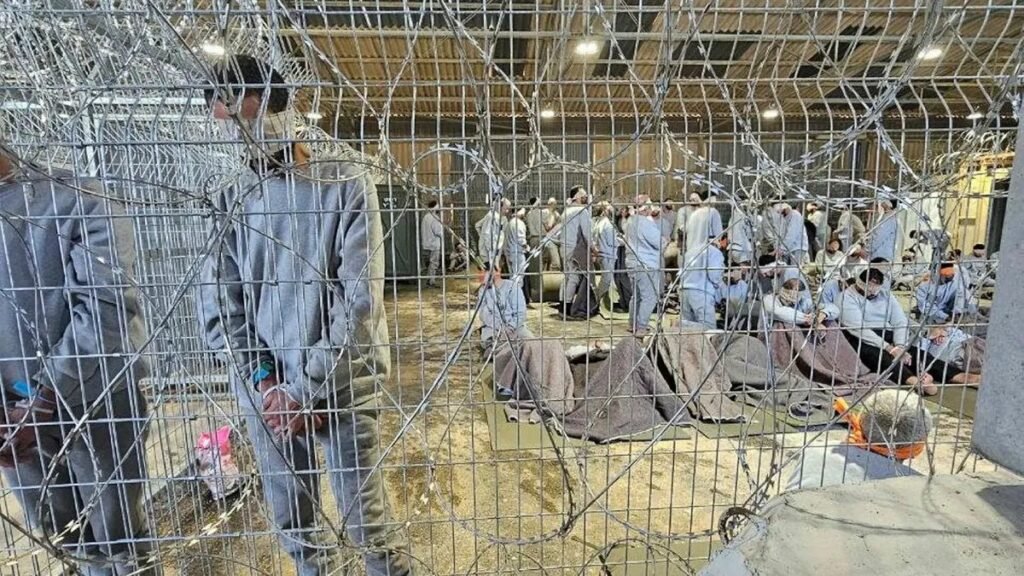
In this case, Palestinian health authorities in Gaza are cited as expressing concern over the condition of the Palestinians’ bodies returned during the genocide as part of the exchange deal, with officials reporting cases of decomposition, damage, and unexplained surgical-like marks.
Dr. Munir al-Bursh, Director General of Gaza’s Ministry of Health, is quoted in the report questioning the origin and handling of organs, and calling for an independent international investigation.
The report also references statements from the Euro-Med Human Rights Monitor in late 2023, which called for investigations into organ removal following reports from Gaza-based medical teams. The organization said its appeal was based on “reported findings,” though it did not provide conclusive forensic proof.
The article revisits historical controversies dating back to the 1990s, including accusations raised during the First Intifada period. It cites the work of anthropologist Nancy Scheper-Hughes, co-founder of Organs Watch, who has investigated global organ trafficking networks and previously criticized aspects of transplant tourism practices.
It also references an interview attributed to Yehuda Hiss, former chief pathologist at Israel’s Abu Kabir Forensic Institute, in which he acknowledged that organs were taken in some cases without consent.
The report further notes that critics say many past cases did not result in criminal prosecutions, fueling persistent concerns over accountability and oversight.
Attention is also drawn to figures published by Israeli transplant organizations, including Matnat Chaim, which has reported significant growth in kidney donation programs since its establishment in 2009.
The article highlights discrepancies between cumulative donation totals claimed by advocacy groups and national transplant statistics, suggesting gaps that, according to critics, warrant further transparency.
Despite the seriousness of the reports, no international investigation has been opened into the case. The issue therefore remains deeply contested, with sharply divided narratives between Palestinian officials, human rights advocates, and Israeli occupation climes.