Gaza Herald – A new joint assessment by the United Nations and the European Union estimates that more than $71 billion will be needed over the next decade to rebuild Gaza following the devastating war that has severely impacted all aspects of life in the territory.
According to the final Gaza Rapid Damage and Needs Assessment (RDNA), at least $26.3 billion will be required within the first 18 months alone to restore essential services, rebuild critical infrastructure, and support economic recovery. The report highlights that physical infrastructure damage is estimated at $35.2 billion, while economic and social losses amount to approximately $22.7 billion.
The findings describe the impact of the war as “catastrophic,” noting that it has caused a massive setback in human development. Key sectors such as housing, healthcare, education, commerce, and agriculture have been heavily damaged, leaving Gaza in urgent need of large-scale and sustained reconstruction efforts.
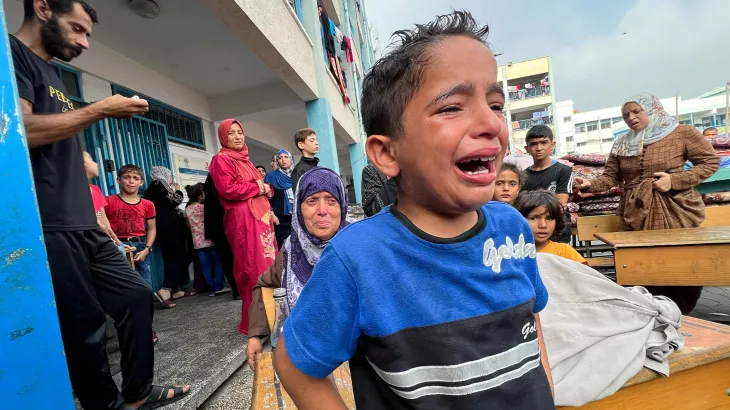
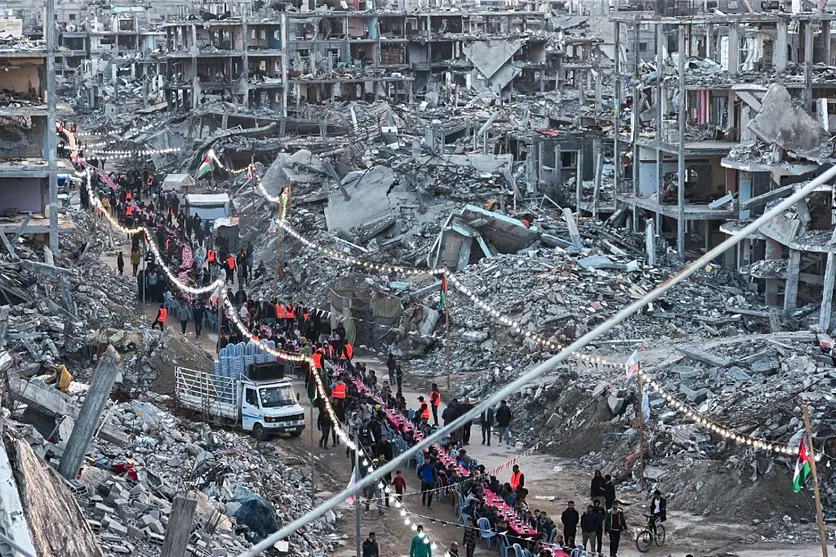
The report also reveals that nearly 372,000 housing units have been destroyed or damaged, more than half of Gaza’s hospitals are no longer functional, and almost all schools have been either partially or completely destroyed. In addition, the territory’s economy has contracted by 84%, while around 1.9 million civilians have been displaced, many of them multiple times, with over 60% of the population losing their homes.
The humanitarian situation is further worsened by the accumulation of more than 61 million tonnes of rubble across the Gaza Strip, effectively burying entire neighborhoods and complicating recovery operations.
Despite a ceasefire agreement reached in October, which has been described as fragile, ongoing violations have continued to exacerbate the crisis. According to Gaza health authorities, more than 72,500 people have been killed since October 7, 2023, including hundreds since the ceasefire took effect.
Both the United Nations and the European Union emphasized that any reconstruction process must be Palestinian-led and aligned with governance frameworks that support the role of the Palestinian Authority, stressing the importance of sustainable and locally driven recovery strategies.
The scale of destruction and the financial requirements outlined in the report underscore the unprecedented challenges facing Gaza, as rebuilding efforts will require not only funding but also long-term political stability and coordinated international support.