Gaza Herald – The Hamas Movement has rejected a US-backed proposal calling for its disarmament, describing it as a “trap” amid ongoing Israeli ceasefire violations in the Gaza Strip.
According to Palestinian sources familiar with the negotiations, Hamas believes the proposal, presented by the so-called “Peace Council”, is designed to destabilize Gaza internally and potentially ignite civil conflict. The group said that disarmament under current conditions would leave the population vulnerable, particularly in light of concerns over armed groups allegedly operating with Israeli backing inside the enclave.
The sources indicated that opposition to the proposal is especially strong within Hamas’s military wing, the Izz ad-Din al-Qassam Brigades, which reportedly views relinquishing weapons as an existential threat. Officials have stressed that any discussion of disarmament is contingent on full implementation of the first phase of the ceasefire agreement.
The plan was reportedly presented by Nickolay Mladenov, acting as a representative for Gaza within the initiative. It includes provisions not only for disarmament but also for the removal of approximately 20,000 civil servants from their positions, a move Hamas sources described as potentially destabilizing for governance and public services in Gaza.
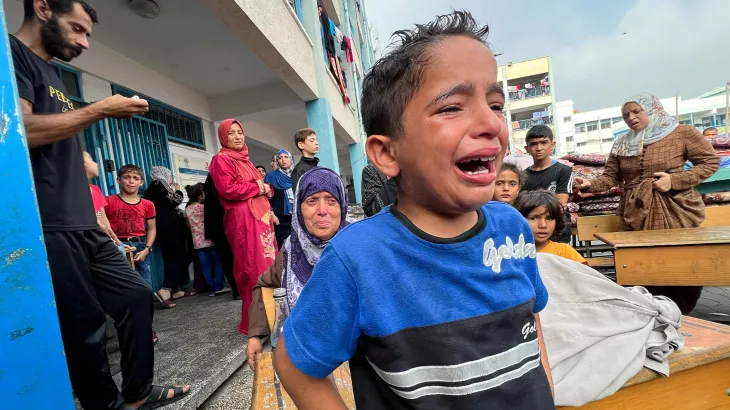
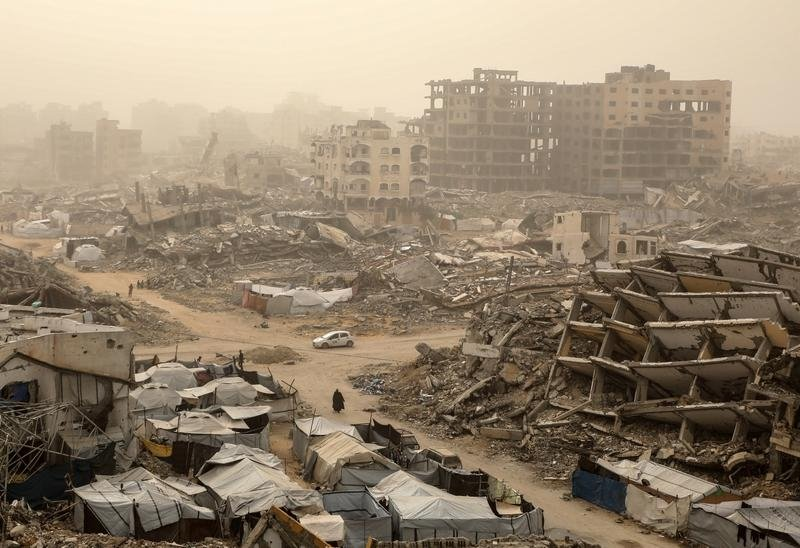
Hamas maintains that Israel has not fulfilled its obligations under the ceasefire agreement reached in October, particularly regarding the entry of humanitarian aid. The agreement stipulated the daily entry of hundreds of aid trucks carrying essential supplies, but restrictions remain in place, exacerbating the humanitarian crisis.
Negotiations in recent weeks have reportedly been tense, with mediators, including Egypt, pressuring Hamas to accept the proposal. Meetings held in Cairo included US officials and international representatives and at times were accompanied by warnings that failure to comply could lead to a resumption of large-scale military operations.
Despite these pressures, Hamas continues to demand guarantees that the initial phase of the ceasefire be fully implemented before any transition to subsequent phases, including discussions on disarmament. The group has signaled that without such assurances, it is unlikely to alter its position.
The situation remains uncertain, as diplomatic efforts continue amid a fragile ceasefire and a deteriorating humanitarian landscape in Gaza.