Gaza Herald – As the world marks World Health Day under the slogan of “health equity,” the Gaza Strip is confronting a catastrophic healthcare reality, described by officials as the most complex and dangerous in over two years, amid a near-total collapse of the health system and worsening humanitarian conditions.
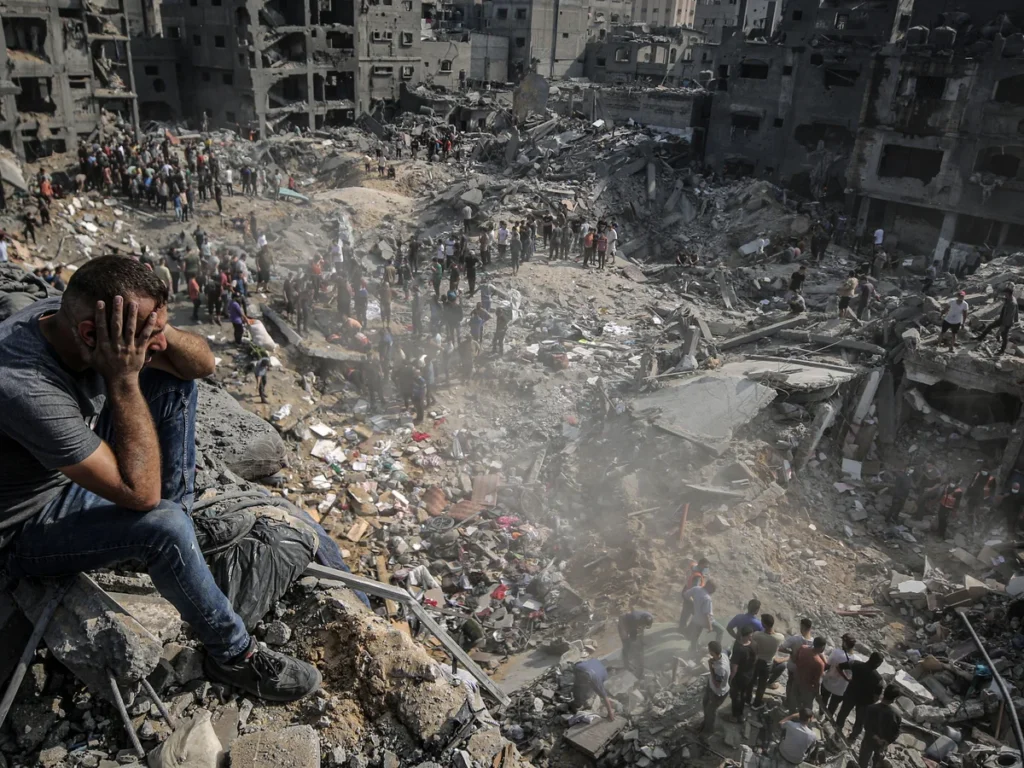
Gaza’s healthcare sector, already devastated by more than two years of genocide, is now unable to meet even the most basic needs of the population. More than 1,800 health facilities have been partially or completely destroyed, with infrastructure losses estimated at $1.4 billion, according to the Palestinian Ministry of Health.
Hospitals and medical centers are operating at minimal capacity due to severe shortages of medicines and medical supplies, many of which have completely run out. The director of Al-Shifa Medical Complex warned that more than 70% of essential drugs, including life-saving medications, are depleted under the ongoing blockade and restrictions on medical imports.
As a result, around 350,000 patients suffering from chronic diseases are being deprived of their essential treatments, significantly worsening their conditions and increasing mortality rates. Cancer patients and those requiring dialysis are among the hardest hit, with estimates indicating that nearly half of kidney patients have been lost due to lack of consistent care.
Currently, only 16 hospitals remain partially operational, while 22 are completely out of service. More than 100 primary healthcare centers have been destroyed, and about 1,600 healthcare workers have been killed, with hundreds more detained. Only 42% of healthcare facilities are functioning, most providing limited services.
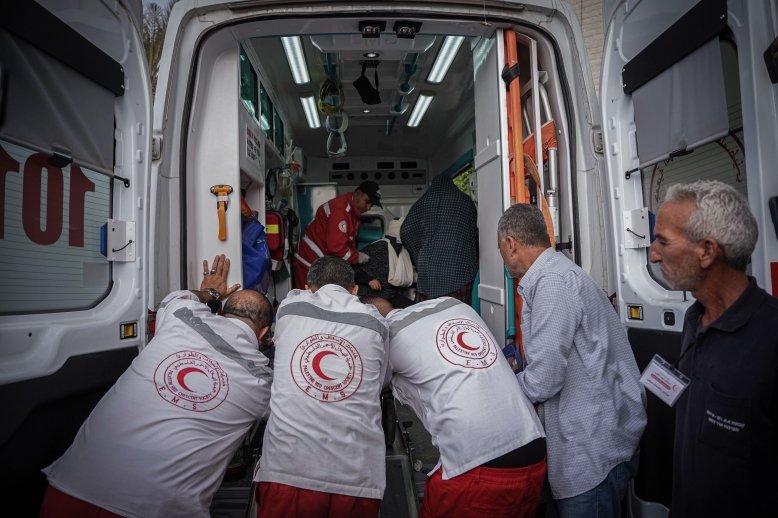
Emergency and civil defense services have also suffered extensive damage. Israeli attacks have destroyed 211 ambulances and 61 rescue and firefighting vehicles, as well as 25 out of 35 oxygen generation stations. Meanwhile, 90 percent of blood testing and transfusion supplies have been depleted, posing a direct threat to patients in emergency and intensive care units.
The crisis extends beyond hospitals to the broader public health environment. With sewage systems collapsed, wastewater surrounds overcrowded displacement camps, while garbage accumulates in residential areas, creating ideal conditions for the spread of diseases, particularly among children.
Health authorities have warned of outbreaks of dangerous diseases, exacerbated by the spread of rodents and the lack of basic services. Malnutrition among children is rising sharply, along with thousands of permanent disabilities caused by the genocide, threatening long-term health outcomes for an entire generation.
Amid the collapse of the healthcare system, thousands of patients face an uncertain fate. More than 18,000 patients require urgent medical evacuation to receive treatment abroad, according to the United Nations Office for the Coordination of Humanitarian Affairs. However, evacuation remains limited and highly restricted.
Medical evacuations resumed on February 2 following the partial reopening of the Palestinian side of the Rafah crossing, but only about 50 people, patients and their companions, are allowed to leave Gaza daily under strict conditions.
While the world promotes “health for all,” the situation in Gaza highlights a stark contradiction, underscoring the urgent need for international action to ensure access to healthcare, restore medical services, and improve living conditions for the population.