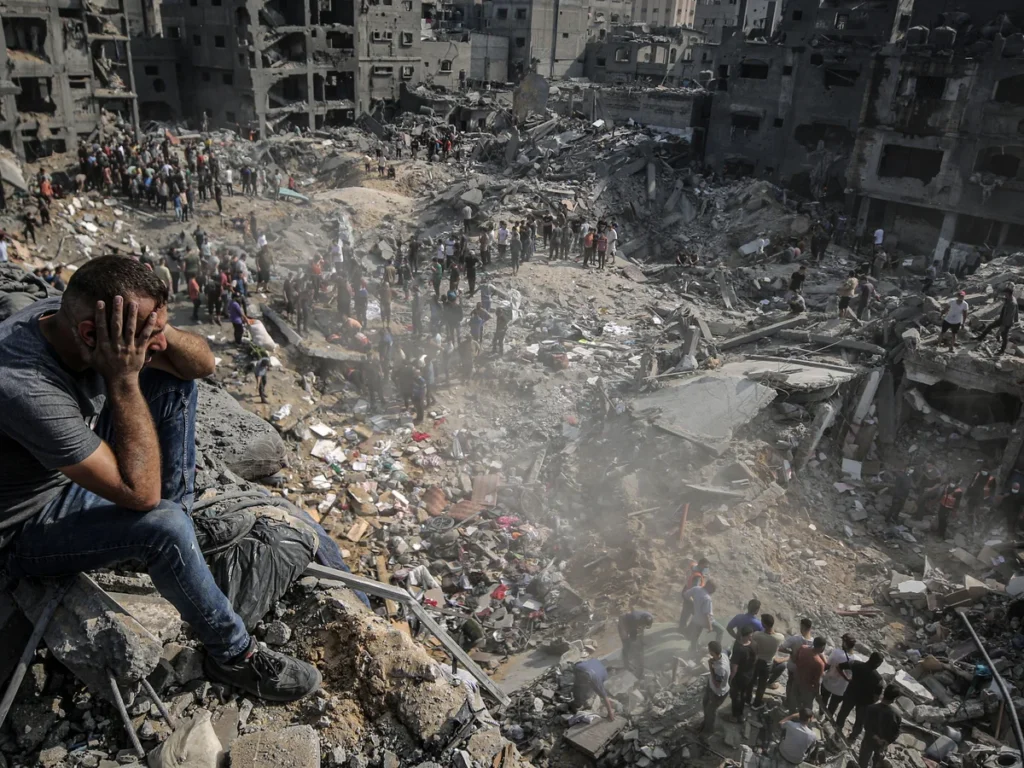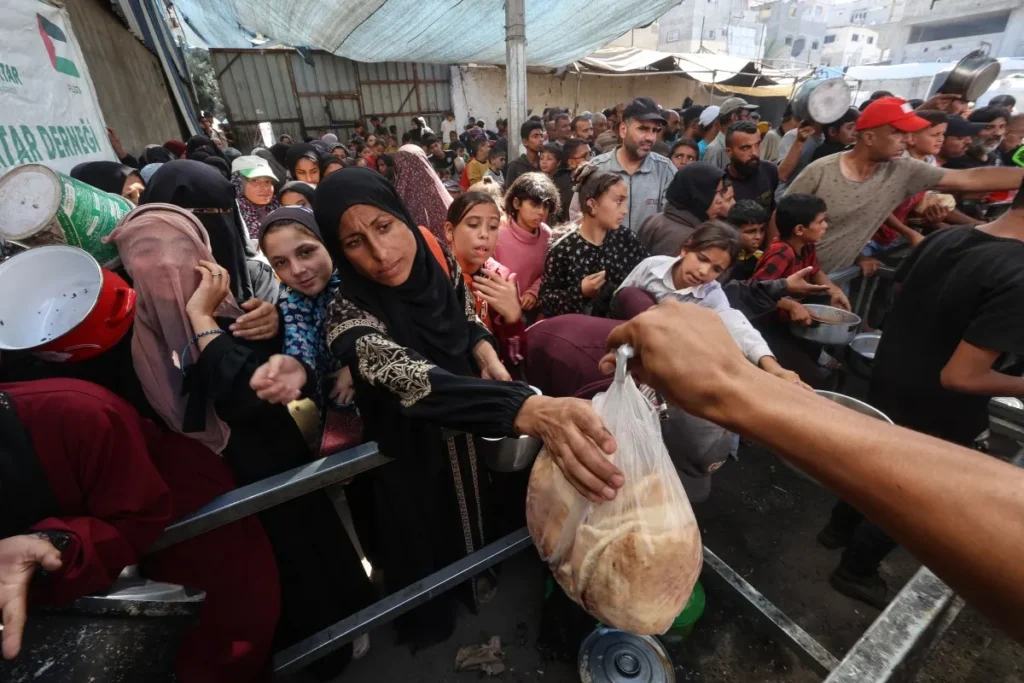
Gaza Herald – Gaza has been facing a worsening shortage of fruits and vegetables, accompanied by a sharp rise in prices, further intensifying the suffering of civilians already living under severe economic hardship.
Traders and experts attributed the crisis primarily to Israeli restrictions on the entry of goods into the Strip, which disrupted supply chains and destabilized local markets.
On the ground, the crisis was clearly visible in markets, where many types of fruits and vegetables disappeared or became scarce, while prices for others surged significantly. Residents reported being forced to cut back on purchases or completely forgo certain items, as limited supply failed to meet demand, driving costs even higher.
Families described how daily shopping had become a heavy burden, with many calculating every expense. Basic fruits such as apples and bananas, once considered affordable, had turned into occasional luxuries. Some shoppers were even forced to move between multiple markets just to find essential goods.
Officials in Gaza stated that Israeli policies deliberately restricted both the quantity and type of goods allowed into the territory, including essential food supplies. The reduction in the number of incoming trucks and continued control over crossings led to severe shortages, further aggravating market instability and limiting access to fresh produce.
The crisis extended beyond economic hardship, posing a direct threat to food security. As prices rose and supplies dwindled, many families reduced their consumption of nutritious foods, particularly affecting children. Experts warned that prolonged shortages could result in serious health consequences, including malnutrition, especially amid a weakened healthcare system.
Traders and residents called for urgent international intervention to ensure the regular and unrestricted flow of goods into Gaza. They also stressed the need to support local agriculture to reduce dependency on imports, despite the significant challenges facing the strip. Without meaningful change, the crisis is expected to worsen, placing further strain on an already vulnerable population.